

-

-
-
Solutions
-
Soluções
-
Soluciones
-
解决方案
-
解決方案
-
الحلول
-
Product
-
Produto
-
Producto
-
产品
-
產品
-
المنتج
-

-
-


 Wati for Marketing
 Wati for Support
 Wati for Sales
 eLearning
 E-commerce
 Marketing Agencies
 Healthcare
 No Code Chatbots
 WhatsApp Business API
 Instagram Automation
 Click to WhatsApp ads
 Campaigns
 Team Inbox
 WhatsApp Business Calling
 Wati AI
 Overview
 Library
 Agente de suporte de IA
Is WhatsApp Marketing Legal for Businesses? Let’s Clear It Up
Written by:
 Rohan Chaturvedi
|
Last updated on:
February 16, 2026
|
Fact Checked by :
Rohan Chaturvedi
|
Last updated on:
February 16, 2026
|
Fact Checked by :
 Namitha Sudhakar
|
According to: Editorial Policies
Namitha Sudhakar
|
According to: Editorial Policies
 Table of Contents
Too Long? Read This First
- WhatsApp marketing is legal when businesses follow consent, privacy, and platform rules.
- Users must explicitly opt in before receiving any marketing or promotional messages.
- Sending unsolicited messages, using bulk messaging tools, or spamming users can lead to account bans.
- Businesses should use official tools like the WhatsApp Business app or WhatsApp Business API to stay compliant.
- Legal WhatsApp marketing focuses on relevance, timing, and respectful message frequency.
Is WhatsApp marketing legal?
WhatsApp marketing is legal. But only when it is done the right way.
WhatsApp has clear policies around consent, opt-ins, message templates, and how businesses can contact users. These rules exist to protect customers and keep the platform spam-free.
Today, we will break down:
- What “legal” really means for WhatsApp marketing
- What compliance looks like in practice
- How can you stay on the safe side while reaching customers effectively
Is WhatsApp Marketing Legal for Businesses?
Yes, WhatsApp marketing is legal for businesses, but only when it follows the applicable laws. WhatsApp is a private messaging platform, not an open advertising channel. That difference matters.
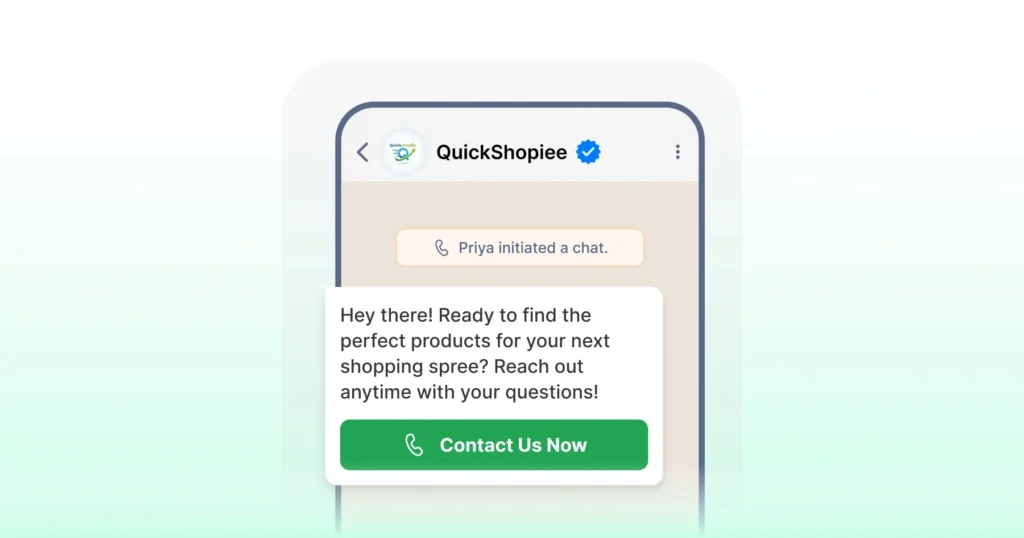
WhatsApp allows businesses to send marketing messages only when users have given clear permission. This means you cannot send unsolicited messages or add customer phone numbers to promotional campaigns without consent.
Doing so can lead to account bans or other actions.
Legality also depends on how you send messages. Businesses must use approved tools like the WhatsApp Business app or the WhatsApp Business API.
These tools are designed to help companies manage customer interactions responsibly, control message frequency, and protect customer data.
👉 WhatsApp marketing is completely legal when you respect consent, follow WhatsApp’s policies, and comply with local laws. If you ignore these rules, even well-intended marketing activities can quickly become non-compliant.
WhatsApp Marketing Compliance: Rules You Must Follow
Knowing whether WhatsApp marketing is legal is only the first step.
What truly matters is how you stay compliant while sending marketing messages on a private messaging platform like WhatsApp.
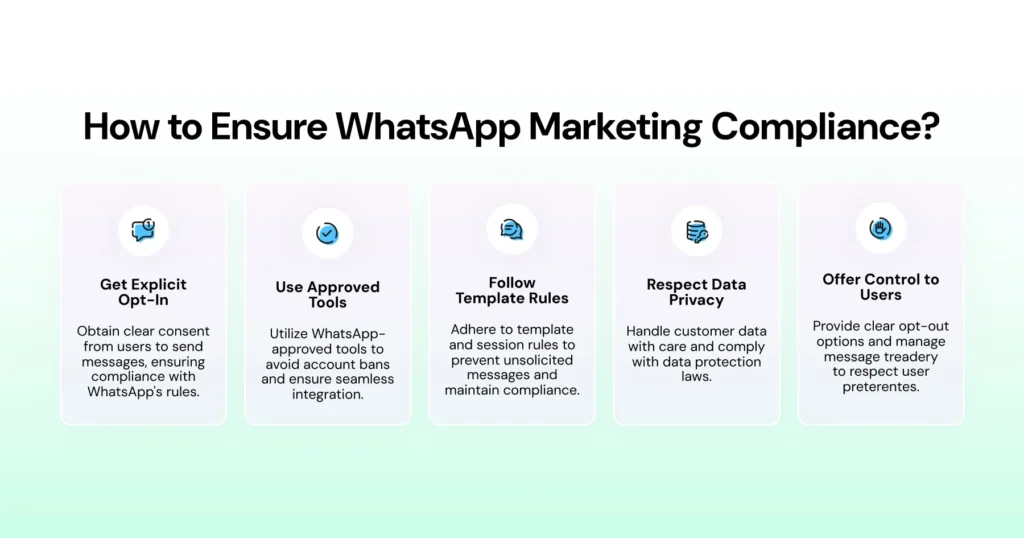
1. Get Explicit Opt-In From Users
You can only send WhatsApp messages to users who have given explicit consent.
WhatsApp’s rule is simple. You can contact people only if they have given you their phone number and opted in to receive messages or calls from your business.
To make that opt-in valid, your consent flow should clearly say:
- Your business name (so users know who they will receive messages from)
- The type of messages they will receive (marketing messages, updates, offers)
- A clear action that confirms consent (checkbox, button, “Yes, send me WhatsApp messages”)
Good opt-in sources include a website form, lead form ads, e-commerce checkout opt-ins, in-store QR codes, or a “click to chat” entry point.
The key is that the user chooses to receive messages. That is what keeps you away from sending unsolicited messages.
2. Use WhatsApp-Approved Tools Only
If you want to run marketing campaigns at scale, stick to WhatsApp-approved tools. That typically means:
- The WhatsApp Business app for small businesses and simple customer interactions
- The WhatsApp Business API for automated messaging, CRM integration, tracking delivery, and structured campaign management
Avoid unauthorized tools that promise bulk messaging or scraping customer phone numbers. WhatsApp actively enforces against automated and bulk messaging abuse and can ban accounts.
If you are a business owner, this matters because a ban can disrupt your entire customer engagement channel.
3. Follow Template And Session Rules
WhatsApp has a 24-hour customer service window (often called the session window).
When a customer messages you, you can reply with session messages inside that window.
Outside of it, you usually need approved message templates for business-initiated outreach, including sending promotional messages.
Practical requirements to stay safe:
- Use templates for sending marketing messages like exclusive discounts, restock alerts, or promotional campaigns
- Keep templates specific and honest. Avoid misleading wording and spammy claims
- Do not blast too many messages. High block or report rates can trigger restrictions
This is also how WhatsApp marketing works without crossing into sending unsolicited messages.
Related Resource: WhatsApp API Rate Limits: What They Are & How to Avoid Blocking
4. Respect Customer Data And Privacy
Customer phone numbers are personal data. So are order details, past purchases, and chat history.
If you collect or store this data, you need a clear purpose and strong handling. This is where data protection laws come in.
In India, the Digital Personal Data Protection Act, 2023, sets expectations around processing digital personal data with consent and lawful purpose.
Recent privacy rules reporting also points toward stricter expectations like data minimisation, clear notices, opt-out options, and breach notifications.
Practical steps businesses comply with:
- Collect only what you need (example: phone number for receiving messages, not extra fields)
- Explain why you collect data, including on your website address and forms.
- Secure access to CRM integration and customer interaction logs
- Delete data when it is no longer needed for the stated purpose.
This is a big part of marketing law in India and legal compliance in general.
5. Always Offer Control To Users
Compliance is not just about getting consent once. It is also about respecting it over time.
Minimum requirements:
- Give users a clear way to opt out (example: “Reply STOP to unsubscribe”).
- Honour opt-outs quickly, even if you run automated notifications.
- Keep message frequency reasonable, especially for marketing activities.
- Segment targeted messages so users do not receive irrelevant promotional messages.
WhatsApp users can block, report, or mark messages as spam. WhatsApp can then suspend or terminate your business account.
So if you send too many messages or push bulk messaging without strong consent, you increase the risk of account bans and possible legal action under local legal considerations.
Legal vs Illegal WhatsApp Marketing: Common Scenarios
Running bulk messaging campaigns, pushing promotional messages too frequently, or using unauthorized tools usually triggers complaints.
Once users block or report messages, WhatsApp may restrict or ban the business account.
Put simply, legal WhatsApp marketing feels helpful and timely. Illegal or non-compliant marketing feels intrusive. The difference lies in consent, relevance, and respect for the private nature of customer interactions.
How To Run Legal WhatsApp Marketing Campaigns
Running a legal WhatsApp marketing campaign starts with intent and structure.
Since WhatsApp is a private messaging platform, every message should feel expected and relevant.
To keep your WhatsApp marketing legal, focus on these essentials.
1. Use Automation Carefully
Automated messaging works best for updates, reminders, and follow-ups.
Avoid overusing automation for promotional campaigns, especially when users have not recently interacted.
2. Manage Message Frequency
Sending too many messages can frustrate users and lead to blocks or reports.
Respect user attention and keep your message frequency balanced.
3. Use Official WhatsApp Tools
Always run campaigns using the WhatsApp Business app or the WhatsApp Business API.
These tools help businesses manage customer interactions, track delivery, and stay aligned with WhatsApp’s policies.
Wati is built on the WhatsApp Business API and helps you manage customer interactions responsibly. You can schedule a free demo to give it a try.
Is WhatsApp Marketing Legal? The Final Take
Yes, WhatsApp marketing is legal when businesses follow consent, privacy, and platform rules. The difference between compliant and risky campaigns often comes down to intent and execution.
Legal WhatsApp marketing focuses on relevance, timing, and user choice. Instead of pushing promotional messages, successful businesses use WhatsApp to support real conversations, improve customer engagement, and build trust on a private messaging platform.
For business owners, the safest approach is simple. Use official tools, respect opt-ins, manage message frequency, and keep customer data protected. This not only reduces compliance risk but also improves customer satisfaction.
Wati helps you stay aligned with WhatsApp’s policies while managing customer interactions at scale. Sign up for a free trial to get started today.
FAQs
Yes, WhatsApp marketing is legal in India when businesses follow WhatsApp’s policies and applicable Indian laws. This includes obtaining customer consent, respecting privacy, and avoiding unsolicited messages. Non-compliance can lead to account bans or legal action.
Businesses can send marketing messages only to users who have opted in. Messages must be relevant, expected, and sent using the WhatsApp Business app or WhatsApp Business API. Sending promotional messages without consent is not allowed.
Consent means users clearly agree to receive WhatsApp messages from your business. This can happen through website forms, checkout opt-ins, QR codes, or click-to-chat actions. Consent must be explicit and informed.
No. Sending unsolicited messages is against WhatsApp’s policies. Uploading customer phone numbers or running bulk messaging campaigns without permission can result in account bans and restrictions.
Yes. WhatsApp can ban or restrict business accounts that send too many messages, use unauthorized tools, or receive high user complaints. Following legal guidelines and message limits helps avoid this risk.
The WhatsApp Business API supports consent-based messaging, approved templates, and controlled automation. Wati helps businesses manage opt-ins, track delivery, and stay aligned with WhatsApp’s policies.