

Too Long? Read This First
- Using WhatsApp for support cuts traditional email and call wait times by resolving queries instantly on the platform the customer already prefers.
- Key uses include sending proactive order confirmations and shipping updates, managing booking reminders, collecting customer feedback, and answering real-time questions.
- The article contrasts the basic free Business App with the scalable WhatsApp Business API, which is essential for automation, CRM integration, and high-volume support.
- A solution like Wati is required to use the API, providing the Shared Team Inbox, AI chatbots, and analytics to automate resolutions and empower support teams.
Once upon a time, customer service for e-commerce was tedious, often limited to email exchanges and lengthy phone calls. Customers would wait days for a response, and businesses struggled to keep up with the growing demands.
Fast forward to today, and the landscape has dramatically shifted. The advent of instant messaging apps has revolutionized how we communicate, making interactions faster, more efficient, and far more personal.
Whether it’s providing instant order confirmations, shipping updates, making payments, or answering customer queries, WhatsApp e-commerce allows businesses to be right where their customers are—on their mobile devices, ready to assist at a moment’s notice.
This shift towards instant, personal communication has streamlined operations and built stronger relationships between businesses and their customers. In this blog, we’ll delve into how leveraging WhatsApp for customer care in e-commerce can elevate your business, ensuring your customers feel valued and heard every step of the way.
Importance of Customer Service in E-Commerce
It’s projected that e-commerce sales will exceed $7 trillion by 2025. As more customers shop online, the distinction between personalized and chaotic customer service can become increasingly blurred. Read on to learn about the benefits of customer service for e-commerce.
- Loyal customers: Happy customers are enthusiastic advocates. Studies reveal that 72% of people will share a positive experience with six or more friends. By delivering exceptional service, you’re encouraging loyalty and generating valuable word-of-mouth that can attract even more customers.
- Insight-driven service: Great customer service for e-commerce provides more than just assistance; it offers insights into your customers’ preferences and pain points. This information is gold for your sales, marketing, and support teams, helping them tailor their approaches and improve the overall e-commerce customer experience.
- Brand personality: Your customer service team embodies your brand’s values and mission. It adds a personal touch that makes your brand feel more human and approachable. With online shopping growing rapidly, maintaining this personal connection helps distinguish your brand from the chaos of impersonal service.
- Cost-effective: Keeping your existing customers is more budget-friendly than bringing in new ones. Research shows that improving customer retention by just 5% can boost your profits by 25%. Customer service for e-commerce helps you cut costs and retain customers in the long run.
Why Choose WhatsApp for Customer Service?
When it comes to choosing the right platform for e-commerce customer service, WhatsApp stands out as a top contender. Its features align perfectly with the needs of modern e-commerce businesses, offering several key advantages that enhance customer interactions. Let’s explore why WhatsApp is such a valuable tool for delivering exceptional customer service and e-commerce support.
A. Wide User Base
WhatsApp boasts a massive global user base, with over 3 billion active users. This widespread adoption means your customers are already using the app daily, making it an ideal platform for customer interactions.

By integrating WhatsApp into your customer service strategy, you meet your customers where they are, making it easier for them to reach out and engage with your brand.
B. High Engagement Rates
WhatsApp’s high engagement rates are a game-changer for e-commerce and customer service. Messages on WhatsApp are typically read within minutes, significantly faster than emails or other communication channels.
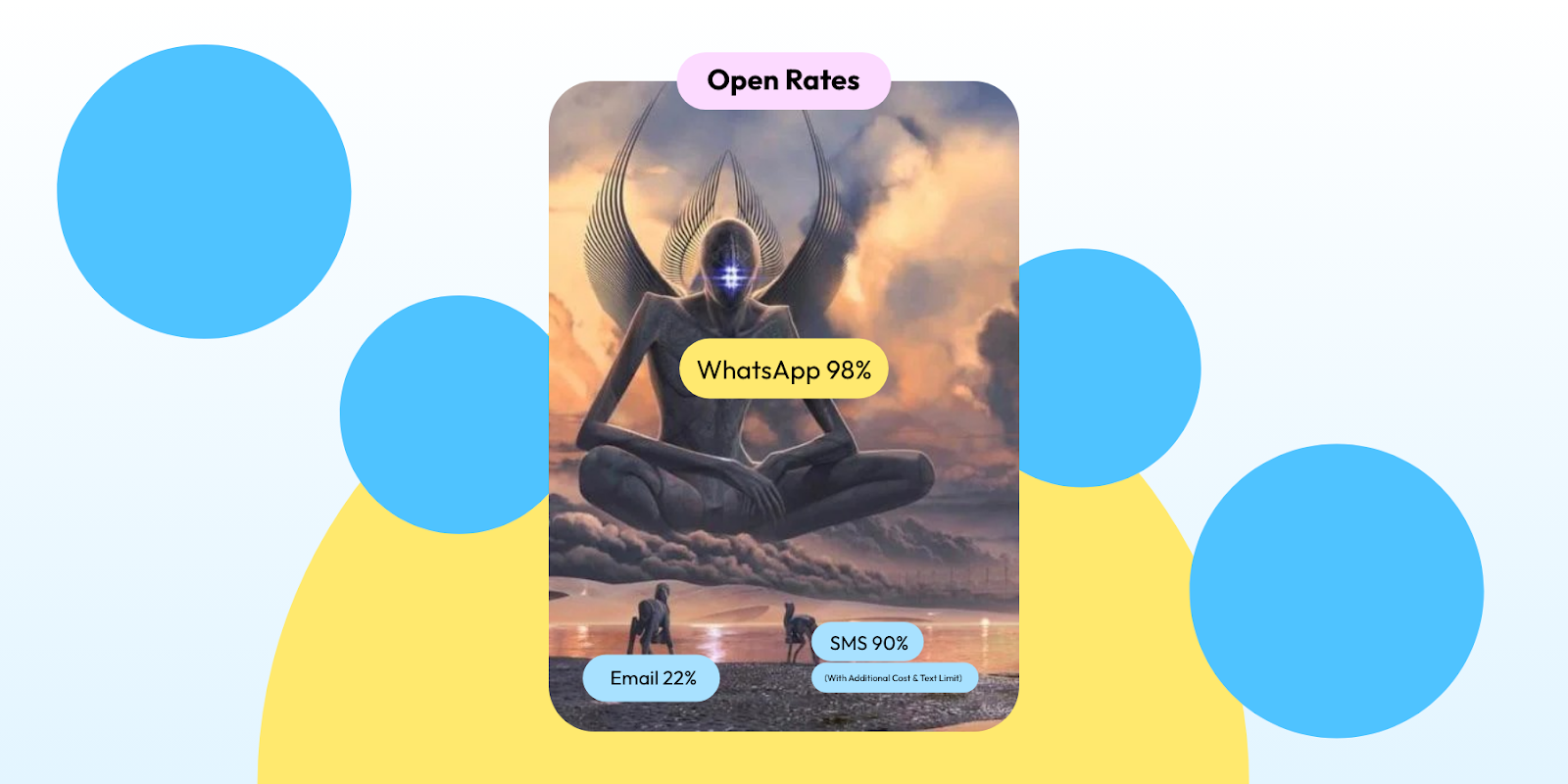
This immediacy ensures that your customers receive timely responses, enhancing their overall experience and satisfaction. Faster response times help build trust and demonstrate your commitment to providing excellent service.
Spectrm’s State of WhatsApp Business Messaging report reveals that 69% of customers are more inclined to purchase from companies that offer interactions via WhatsApp.
C. Ease of Use
WhatsApp is known for its user-friendly interface, which makes it simple for both businesses and customers to use. The app’s intuitive design means customers can quickly send transactional messages, track order updates, and ask questions without hassle. For businesses, the ease of integration with CRM systems and automated tools streamlines operations, making customer service more efficient and effective.
Setting Up WhatsApp for Your E-Commerce Business
As you explore using WhatsApp to enhance your customer service for e-commerce, you’ll encounter two key options: WhatsApp Business and WhatsApp Business API. Each offers unique features and benefits tailored to different needs. Let’s break down these options and guide you on how to get started with both.
a. WhatsApp Business vs. WhatsApp Business API
WhatsApp Business is a great starting point for small to medium-sized businesses. It offers essential features like automated replies, quick replies, and labels to help manage customer interactions efficiently.
However, you may need advanced capabilities as your business grows and your customer service needs become more complex. That’s where the WhatsApp Business API comes into play.
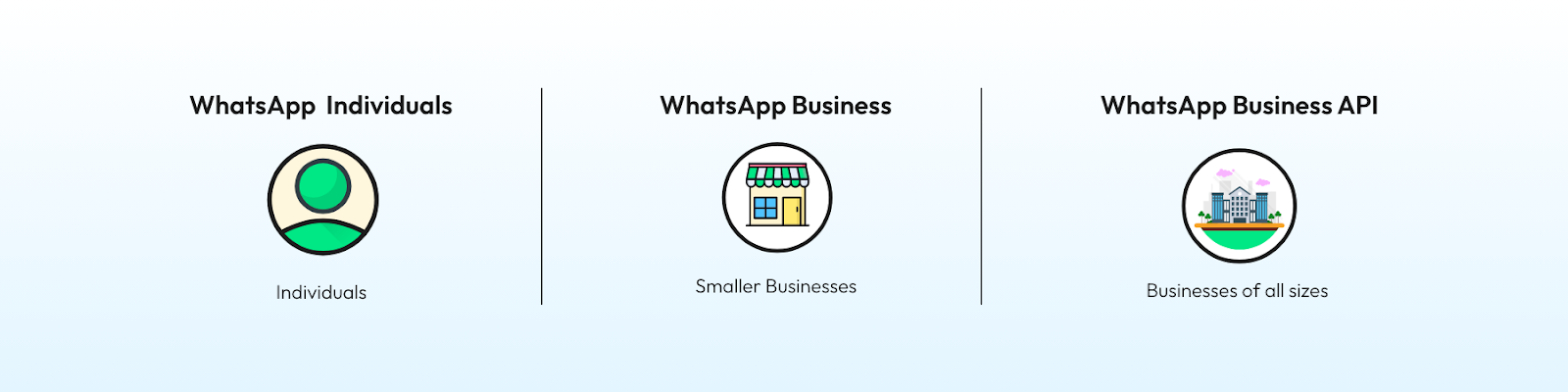
The API is designed for larger companies or those with higher messaging volumes, offering advanced features such as integration with CRM systems, detailed analytics, bulk broadcast, and automation tools that can significantly enhance your customer service operations.
Related Read: WhatsApp Business vs Business API
b. Getting Started with WhatsApp Business
To get started with WhatsApp Business, simply download the app from your device’s app store and set up your business profile. You can customize your business information after logging in, create automated greetings, and set up quick replies to handle common customer inquiries.
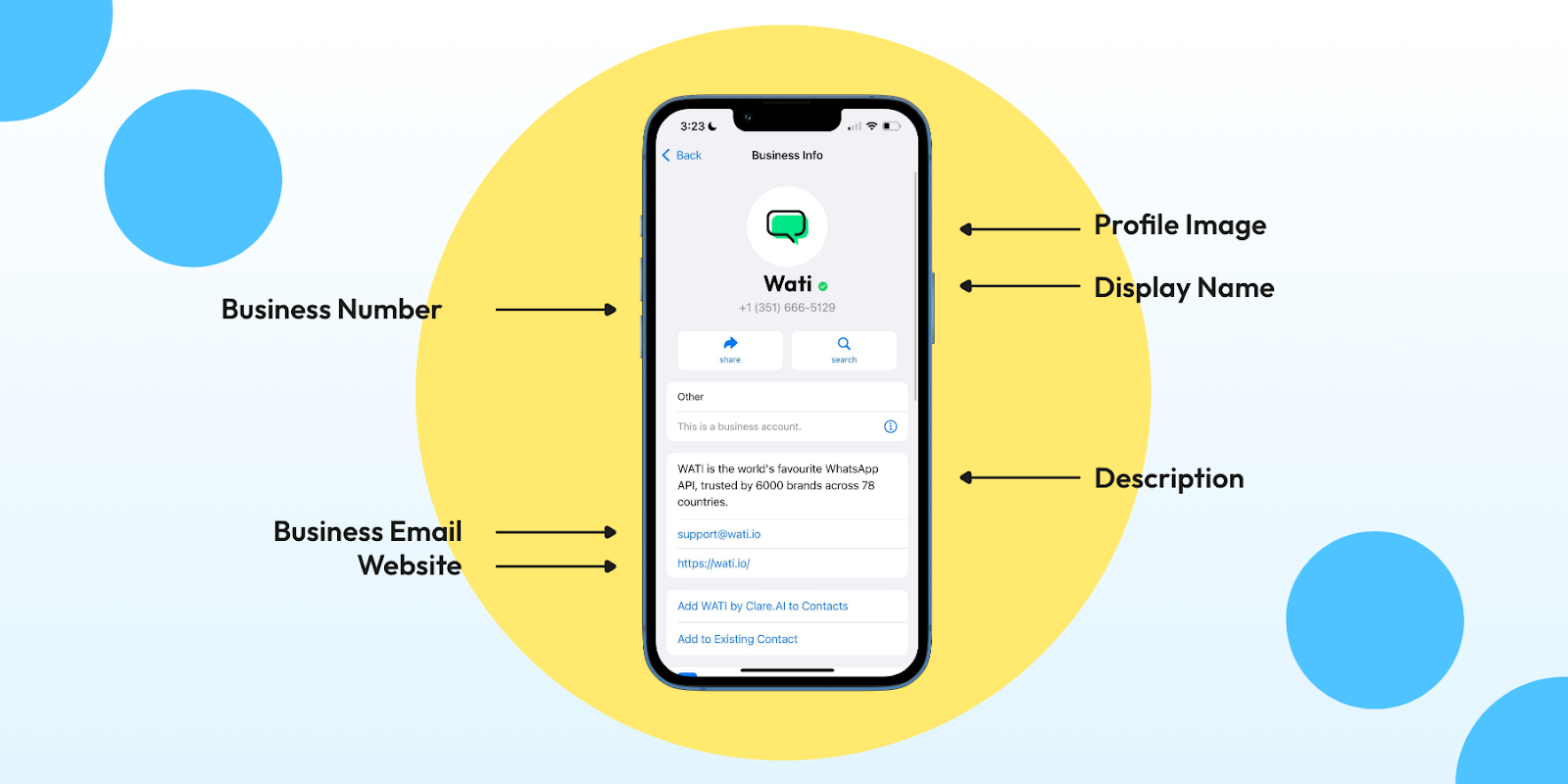
This user-friendly setup provides a solid foundation for managing customer interactions on a smaller scale. It’s an excellent way to familiarize yourself with the platform and provide improved customer service.
Also Read: 12 Significant Advantages of WhatsApp Business
c. Integrating WhatsApp Business API
Integrating the WhatsApp Business API is the next step when you’re ready to scale up. This process involves working with a solution provider like Wati to connect the API to your existing systems, such as your CRM and customer support channels.
The API allows for greater customization and customer support automation, enabling you to handle a larger volume of e-commerce messages more effectively. It also provides advanced features like message templates, detailed reporting, and better management of customer interactions.
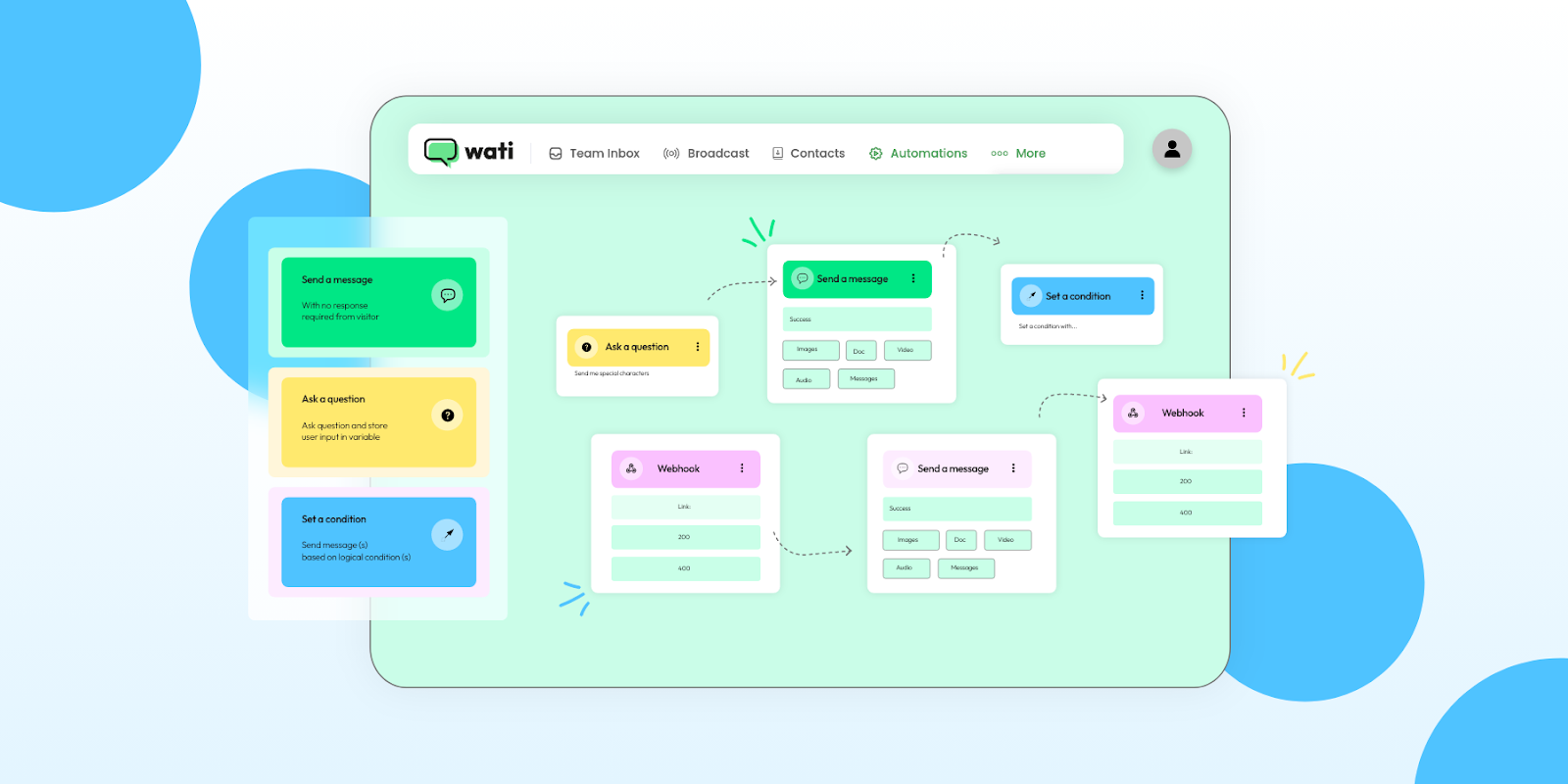
Transitioning to the WhatsApp Business API ensures that as your business grows, your customer service capabilities can grow with it, providing a seamless and scalable solution for your needs.

Best Practices for Using WhatsApp in Customer Service
Adopting a few best practices to make the most out of WhatsApp for your customer service for e-commerce can ensure you deliver outstanding support. Here’s how you can leverage WhatsApp effectively.
1. Providing Quick and Efficient Responses
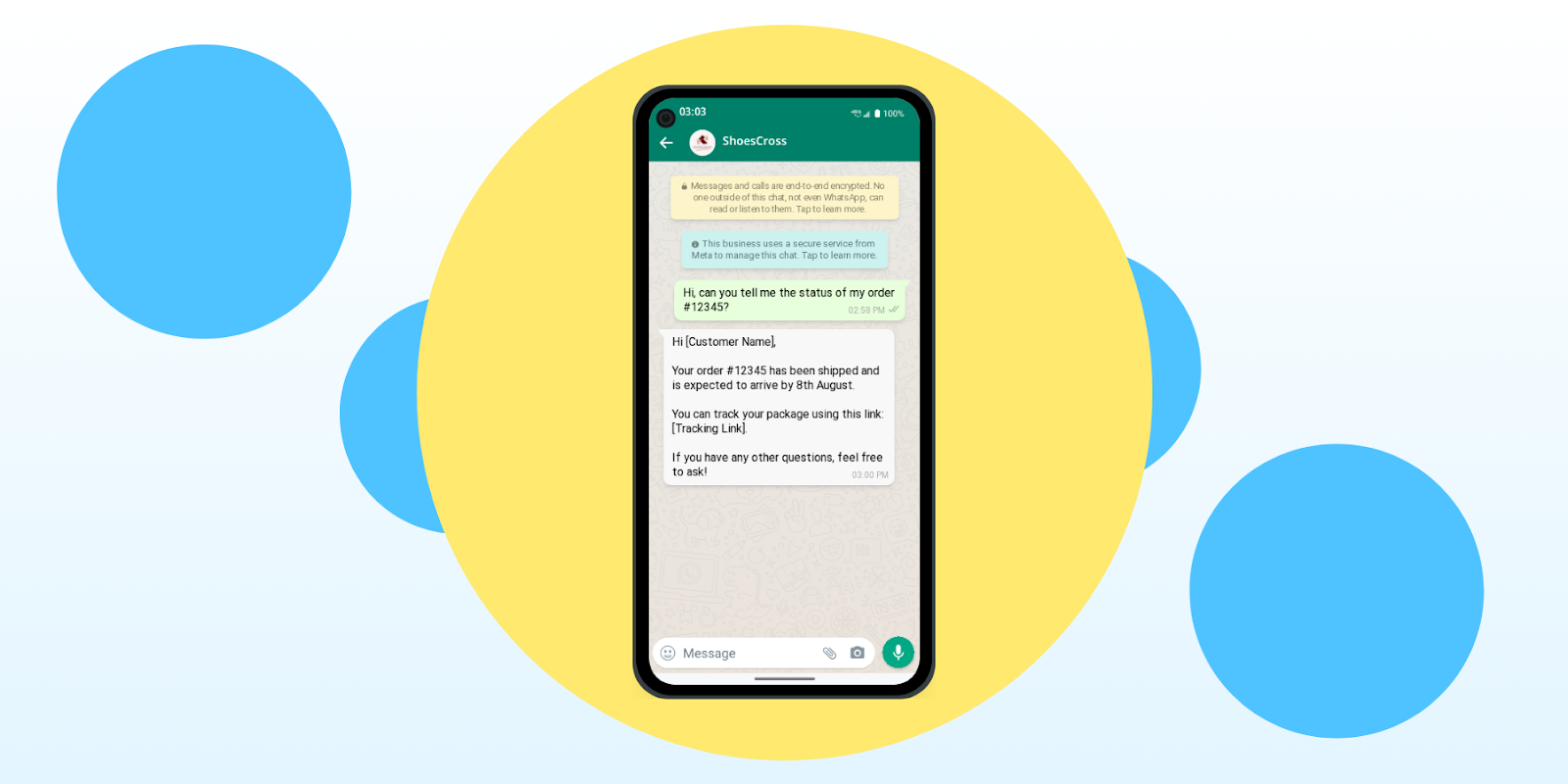
One of WhatsApp’s standout features is its ability to facilitate rapid communication. To capitalize on this, aim to respond to customer inquiries as quickly as possible. For instance, if a customer asks about the status of their order, provide an update within minutes rather than hours. Automated replies and responses for common questions, like store hours or return policies, can also help speed up reply times and satisfy customers.
Say a shoe retailer receives frequent questions about order statuses. By setting up automated updates through WhatsApp, they can instantly inform customers when their package is out for delivery, improving efficiency and reducing wait times.
2. Personalizing Customer Interactions
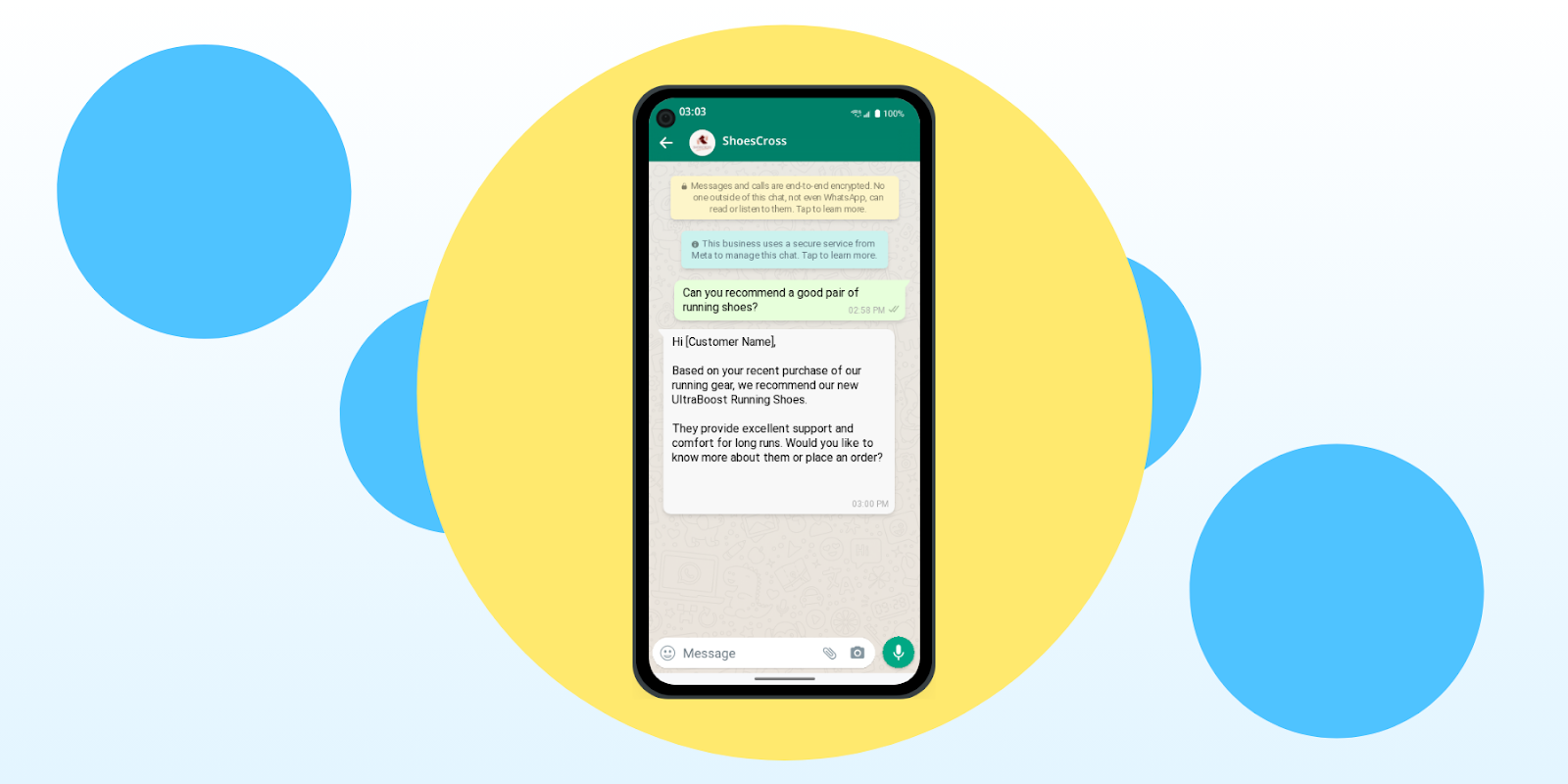
Personalization is key to making customers feel valued and appreciated. Use WhatsApp’s features to address customers by their names and refer to their previous interactions or purchases. This approach not only enhances the WhatsApp e-commerce experience but also fosters a stronger connection between your brand and your customers.
Let’s say a customer inquires about your product recommendations. Instead of a generic reply, a personalized response could be:
3. Handling Common Customer Queries
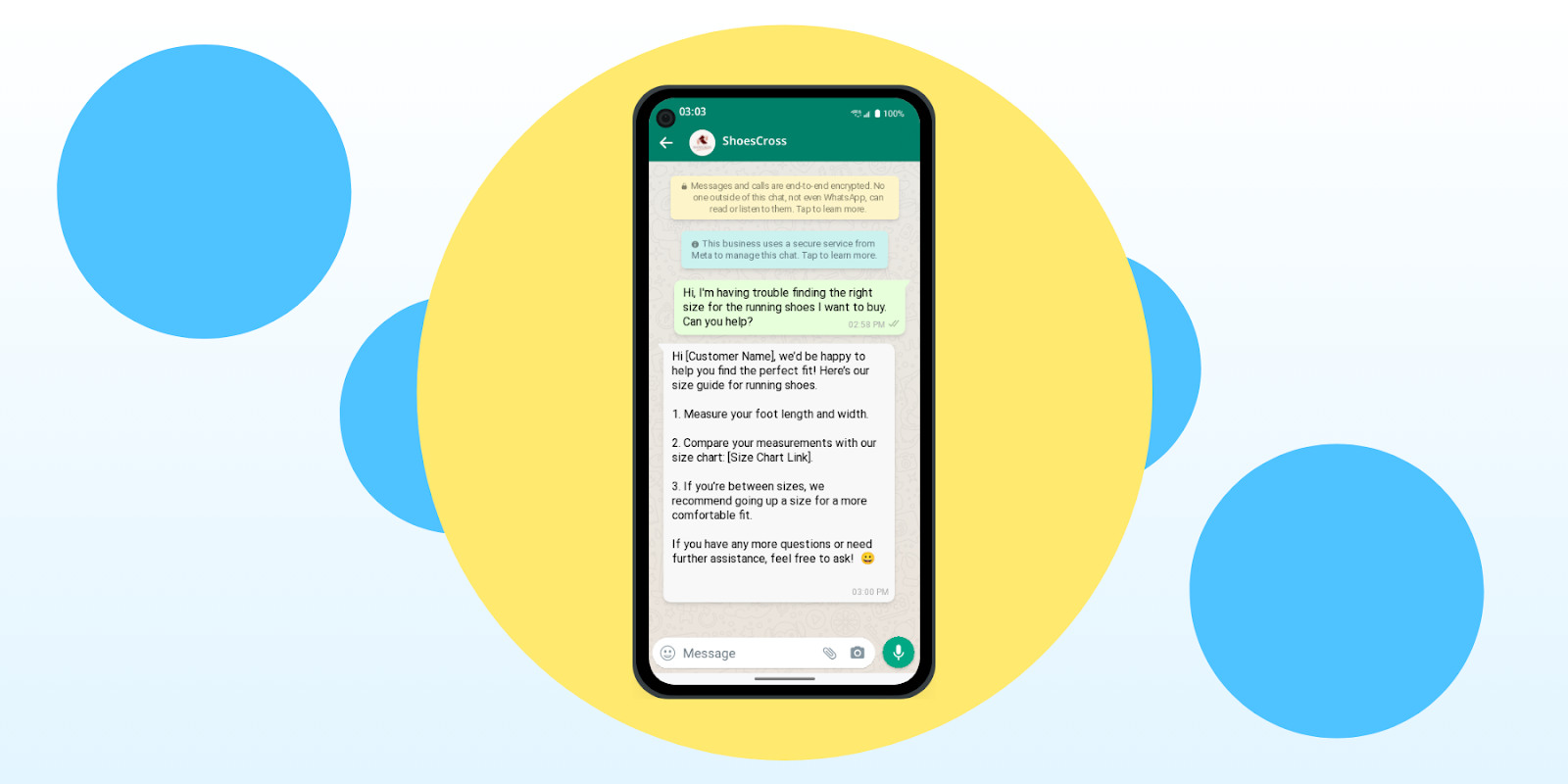
Anticipate common customer questions and prepare answers that can be quickly shared through WhatsApp. Create a list of frequently asked questions (FAQs) and corresponding responses that your team can use to handle repetitive inquiries efficiently. This practice ensures that customers receive accurate information swiftly and reduces your team’s time on repetitive tasks.
Enhancing E-Commerce Customer Experience Through WhatsApp
Leveraging WhatsApp e-commerce can significantly enhance the customer care e-commerce experience. You can build stronger relationships and improve overall satisfaction by providing real-time support, timely updates, and gathering valuable feedback.
Real-Time Support and Assistance
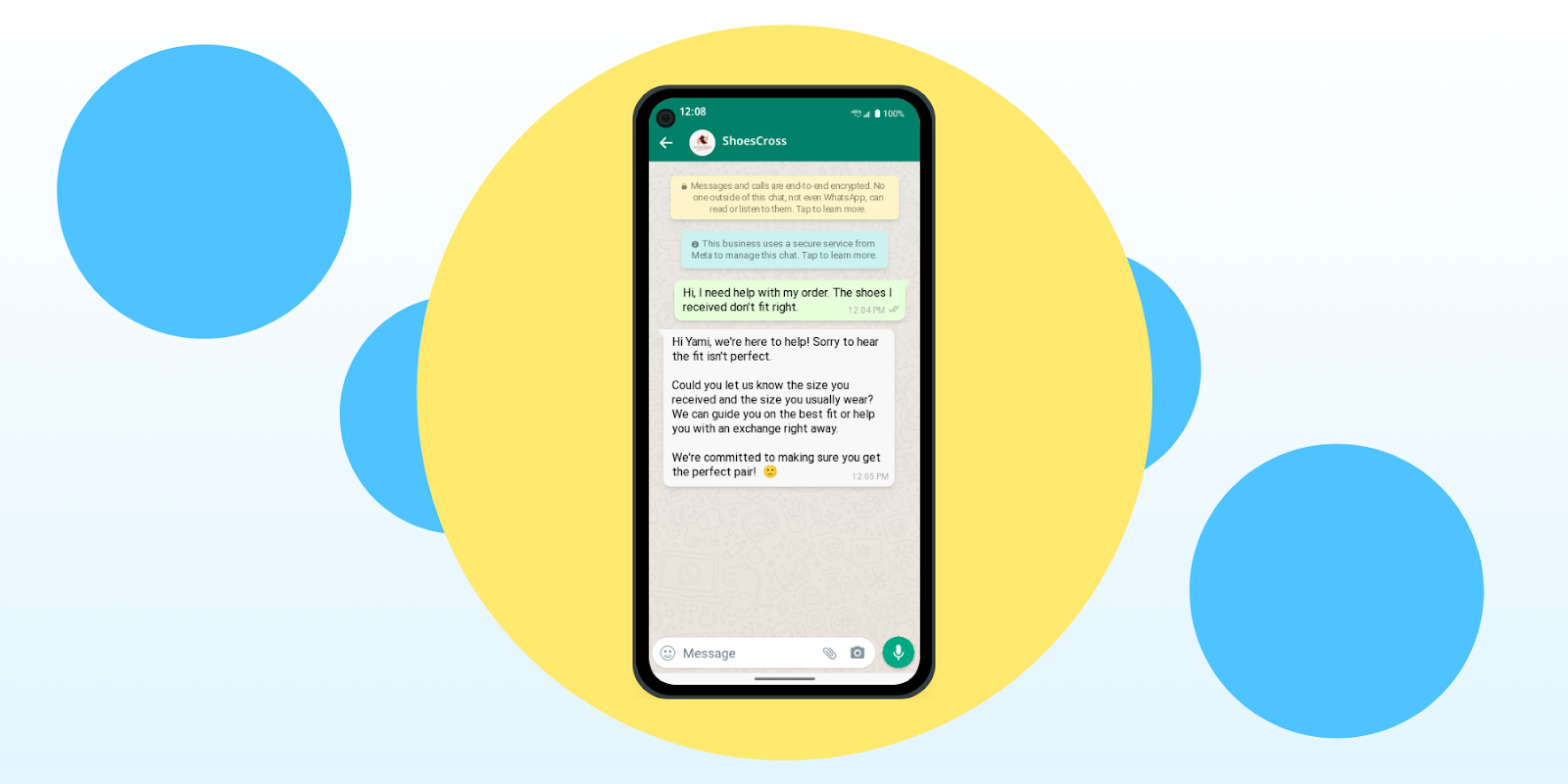
As mentioned earlier, one of the most significant advantages of using WhatsApp is the ability to offer real-time support. Customers can reach out with their questions or concerns and receive immediate assistance, which helps resolve issues quickly and efficiently. This instant communication enhances customer satisfaction and builds trust in your brand.
Order Updates and Notifications
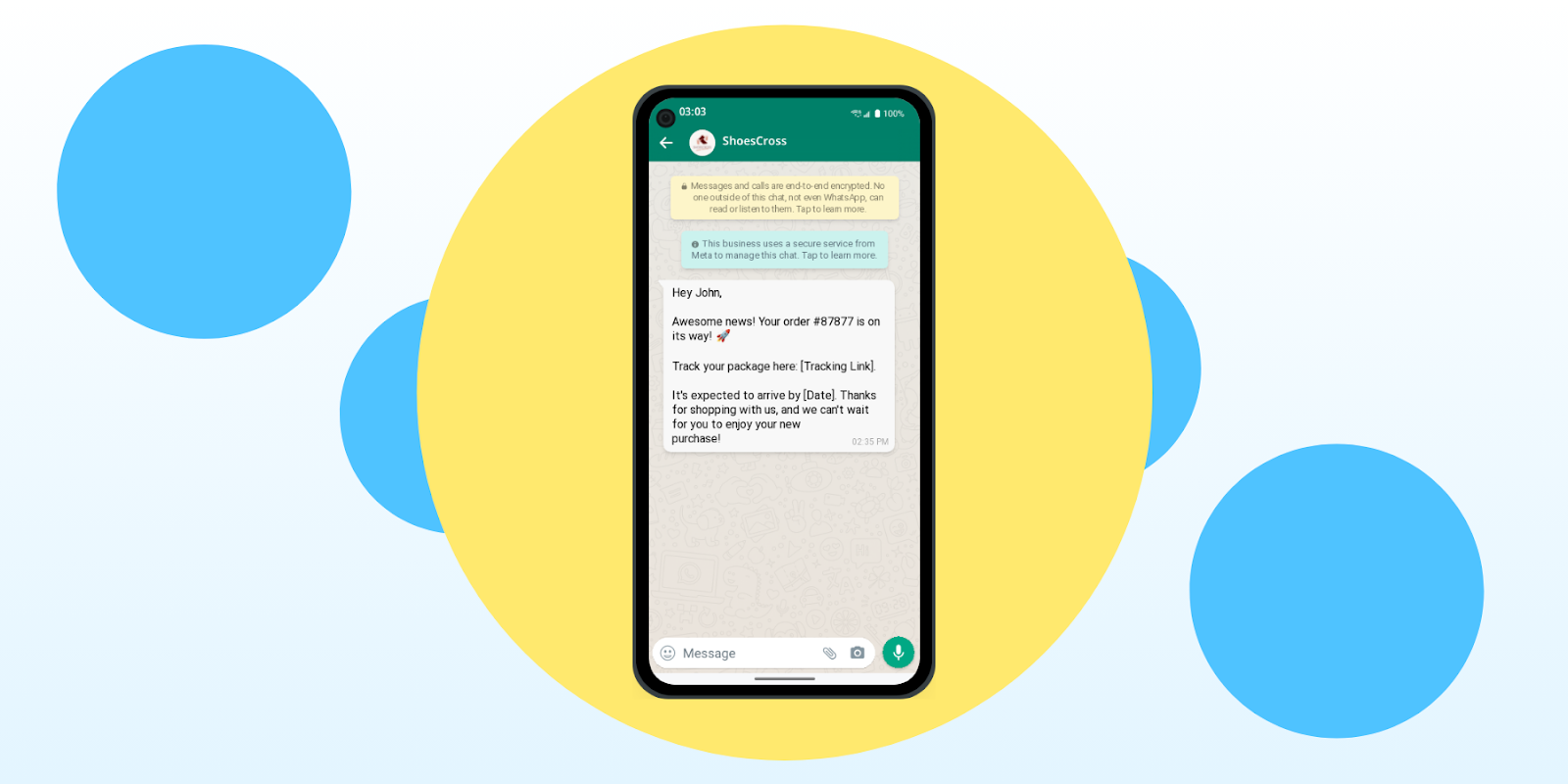
Keeping customers informed about their orders is crucial for a positive e-commerce experience. WhatsApp lets you send real-time notifications about order confirmations, shipping updates, and delivery statuses. These timely updates keep customers in the loop and reduce anxiety about their purchases.
Gathering Customer Feedback
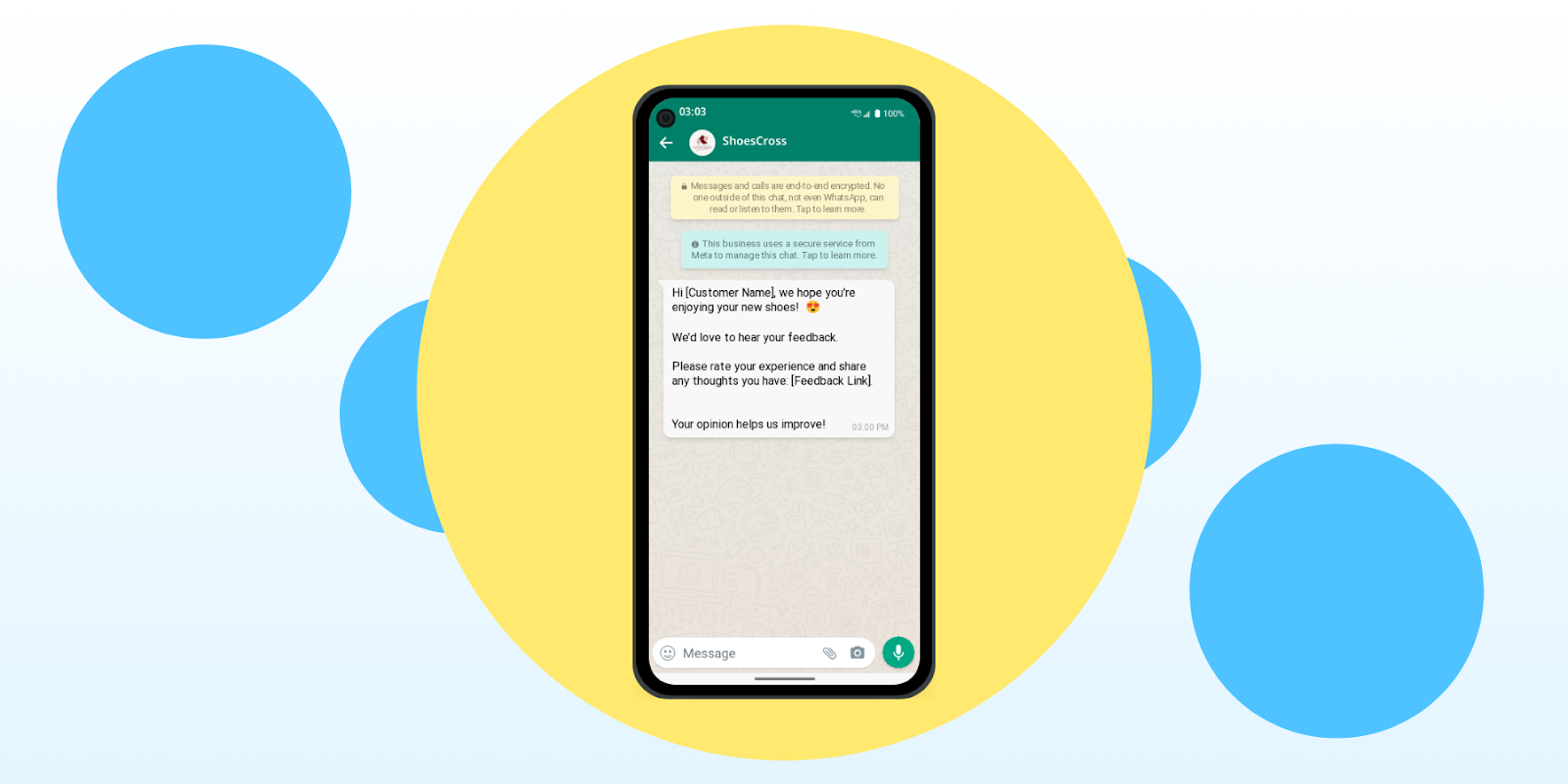
WhatsApp is a convenient platform for collecting customer feedback. After a purchase or customer service for e-commerce interaction, you can send a quick message asking for their thoughts and suggestions. This feedback is invaluable for understanding customer preferences and improving your services.
Ending Note
Embracing WhatsApp for customer service can significantly elevate your e-commerce business, offering real-time support, timely updates, and personalized interactions. As customers increasingly seek fast and convenient communication, leveraging WhatsApp’s features can set your brand apart and enhance overall satisfaction.
Consider using Wati to seamlessly integrate WhatsApp into your customer service for e-commerce strategy and harness the full potential of the WhatsApp Business API. As a leading CPaaS solution and top WhatsApp Business API provider, Wati provides the tools you need to manage customer interactions effectively, automate processes, and gain valuable insights.
With Wati, you can transform your customer service experience and ensure your business remains at the forefront of customer communication. Ready to elevate your customer service with WhatsApp? Sign up for a 7-day free trial today!

Frequently Asked Questions
- Can WhatsApp be integrated with other messaging platforms?
Yes, You can integrate WhatsApp with other messaging platforms using APIs and third-party tools to streamline communication across channels.
- How can I improve my response time on WhatsApp?
Set up automated replies for common questions and ensure your team is trained to handle inquiries promptly. Using WhatsApp Business API features can also speed up responses.
- Why is WhatsApp an effective tool for e-commerce customer service?
WhatsApp e-commerce offers real-time communication, high engagement rates, and a user-friendly interface, making it ideal for providing quick and personalized customer support.
- What is the future of WhatsApp in e-commerce customer service?
WhatsApp is expected to continue growing as a vital tool for e-commerce, with advancements in features and integrations enhancing its role in providing efficient and personalized customer service.
Related posts
- What Platform Lets Me Build a WhatsApp Agent That Automatically Syncs Conversations and Lead Data to My CRM?
Stop losing chat context. Build a no-code WhatsApp AI agent with Astra by Wati that automatically syncs qualified leads, summaries, and history to your CRM.
- The Most Reliable WhatsApp API Platform for Mid-Market Marketing Teams
Mid-market marketing teams are constantly seeking an edge in engaging customers effectively, yet many struggle with fragmented communication channels and inefficient workflows. The search for a reliable WhatsApp API platform is not just about connectivity; it is about transforming engagement into tangible business growth. Wati stands as a powerful, highly capable solution, offering capabilities specifically …
- What platform lets me build a fully automated WhatsApp sales agent that takes leads from first message to meeting booked?
Astra by Wati is a powerful platform that lets you build and deploy a fully automated WhatsApp sales agent capable of taking leads from the first message to a booked meeting. It uses action-oriented AI and native integrations to qualify prospects and schedule appointments directly in chat, without requiring any coding. Introduction Modern sales teams …
- Which WhatsApp Business Messaging Platform Unifies Marketing, Sales, and Support in a Single Inbox?
Businesses today face an urgent need to consolidate their customer interactions. The fragmented landscape of marketing, sales, and support tools often leads to disjointed customer experiences, lost opportunities, and operational inefficiencies. A leading WhatsApp-centric business messaging platform, engineered specifically to collapse these silos into a singular, powerful inbox, ensures every customer touchpoint is seamless and …