

-

-
-
Solutions
-
Soluções
-
Soluciones
-
解决方案
-
解決方案
-
الحلول
-
Product
-
Produto
-
Producto
-
产品
-
產品
-
المنتج
-

-
-


 Wati for Marketing
 Wati for Support
 Wati for Sales
 eLearning
 E-commerce
 Marketing Agencies
 Healthcare
 No Code Chatbots
 AI Support Agent
 Instagram and Facebook messenger
 Click to WhatsApp ads
 Campaigns
 Team Inbox
 WhatsApp Business Calling
 Wati AI
 Overview
 Library
Understanding Transactional Messages: Meaning and Sales Impact on WhatsApp
Written by:
 Rohan Chaturvedi
|
Last updated on:
February 17, 2026
|
Fact Checked by :
Rohan Chaturvedi
|
Last updated on:
February 17, 2026
|
Fact Checked by :
 Namitha Sudhakar
|
According to: Editorial Policies
Namitha Sudhakar
|
According to: Editorial Policies
 Table of Contents
Too Long? Read This First
- Definition: Transactional messages are automated, system-generated alerts triggered by specific user actions (like a purchase or password reset) rather than marketing intent.
- Customer Experience: They build brand trust by providing "direct utility" and essential information, boasting high open rates (up to 98% on WhatsApp).
- Key Traits: These messages are time-sensitive, action-oriented, and highly secure, ensuring accurate and reliable data exchange between the brand and the user.
- Strategic Value: Beyond just info, they support engagement and create a positive impression through personalization (e.g., using the customer's name).
- Best Practices: Successful implementation requires choosing the right channel (SMS vs. WhatsApp), maintaining brand consistency, and strictly following data privacy regulations like GDPR.
‘Hey, your order has been confirmed.’
‘Hi, we have received your payment.’
‘Hello, here is your order summary.’
We are sure you’ve got such messages at one point or another in your life.
Do you know what’s common in them? All these are examples of a transactional WhatsApp message.
You might think that transactional WhatsApp messages are vague and don’t make a difference. But the devil is in the details. Sending transactional updates via WhatsApp can create an everlasting impression on the customer.
It’s 2026, and transactional messages have become an essential tool for businesses to engage and connect with their customers.
With WhatsApp marketing platforms like Wati, structuring transactional messages can eliminate customer doubts and foster deeper trust and loyalty. Let’s check how to design transaction messages effectively.
Whether it’s a password reset email, a delivery confirmation, or an order confirmation, transactional messages play a crucial role in enhancing customer experience and building brand trust.
How do they do that? Let’s start by discussing the fundamentals.
What are Transactional Messages?
Transactional messages are automated communications sent to users after specific actions or events, such as order confirmations, password resets, or shipping notifications.
These messages deliver essential information exactly when it’s needed, ensuring that the information customers require and expect is provided promptly.
Transactional messages can be sent through various channels, including email, push notifications, in-app messages, and text messages, with text messages playing a crucial role in delivering timely updates directly to users’ mobile devices.
Unlike promotional messages, transactional messages focus on providing value and clarity, which helps foster trust and satisfaction.
By ensuring clarity, helpfulness, and timely delivery, transactional messages play a key role in building customer trust, making customers feel confident and informed throughout their interactions.
Why do Transactional Messages Play a Key Role in Online Business?
As you know, Businesses leverage a variety of channels, such as transactional SMS messages, push notifications, and in-app notifications, to keep customers informed and engaged throughout their journey.
Transactional messaging is the backbone of modern customer communication, ensuring that customers receive timely, relevant updates in response to their actions.
Whether it’s a purchase confirmation, a password reset, or an account update, these automated messages are triggered by specific customer transactions and are designed to deliver essential information exactly when it’s needed.
The primary goal of transactional messaging is to enhance customer engagement by providing personalized, context-aware updates that build trust and satisfaction.
Unlike generic broadcasts, these messages are tailored to individual actions, making each interaction feel relevant and valuable. By integrating transactional messaging into your customer experience strategy, you not only keep customers in the loop but also foster loyalty and long-term relationships.
What are the Most Common Types of Transactional Messages?
Below are the common types of transactional messages in a consumer journey.
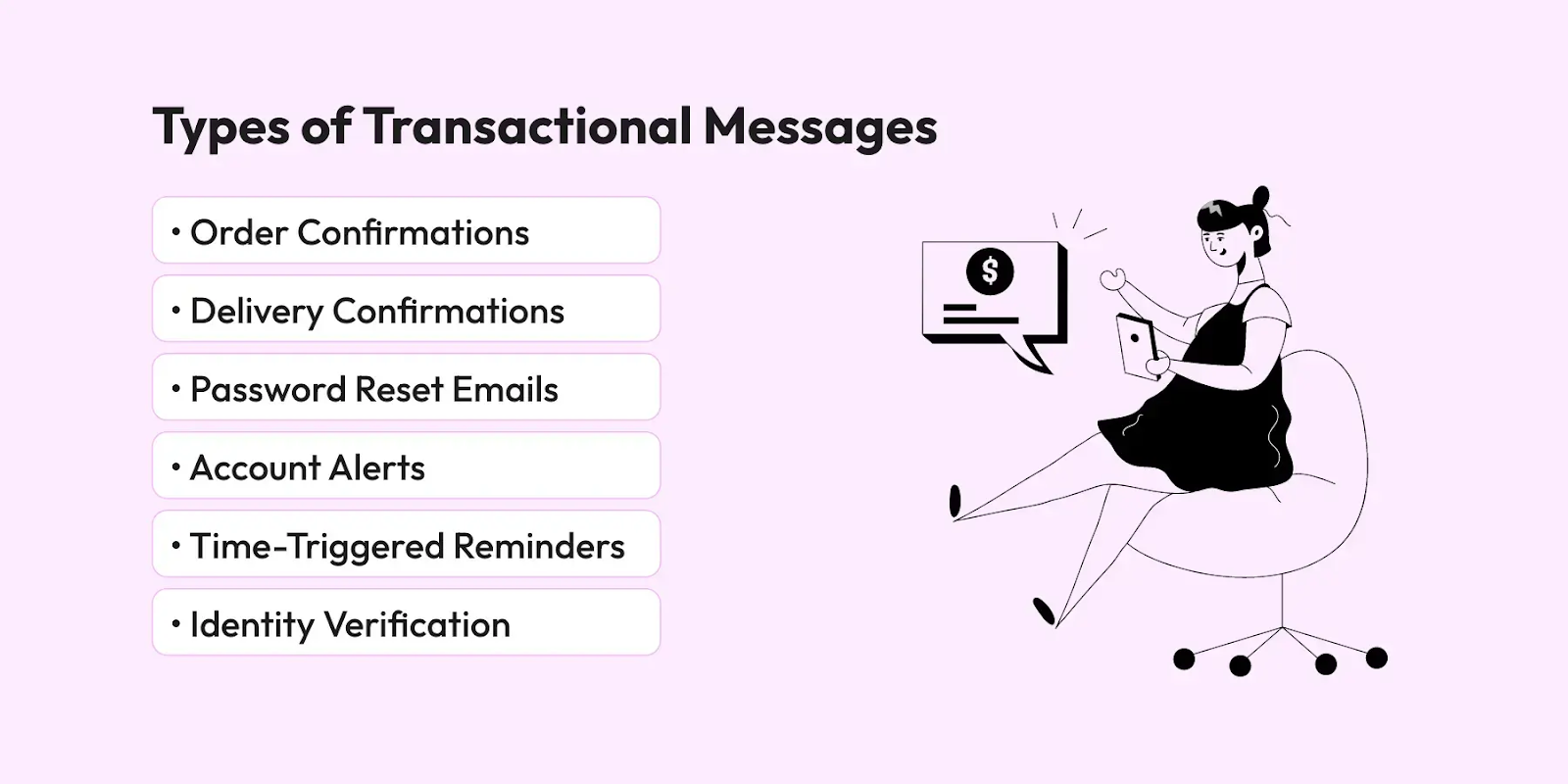
- Order Confirmations: When customers order online, they receive an order confirmation email or SMS. This message confirms the purchase details, including items, quantities, and delivery information. Transactional text messages are commonly used to confirm purchases in real time, enhancing customer trust and reducing support inquiries.
- Delivery Confirmations: After a customer’s order has been shipped, they receive a delivery confirmation message. This message provides tracking information, delivery notifications, and delivery status updates, informing the customer about the estimated delivery date and time or when the order is out for delivery or delivered.
- Password Reset Emails: When a user forgets their password and initiates a password reset process, they receive a transactional email with instructions on how to reset their password securely.
- Account Alerts: Operational messages can also include account alerts that notify users about critical account-related activities, such as suspicious login attempts, account changes (like updates to personal information), or payment confirmations.
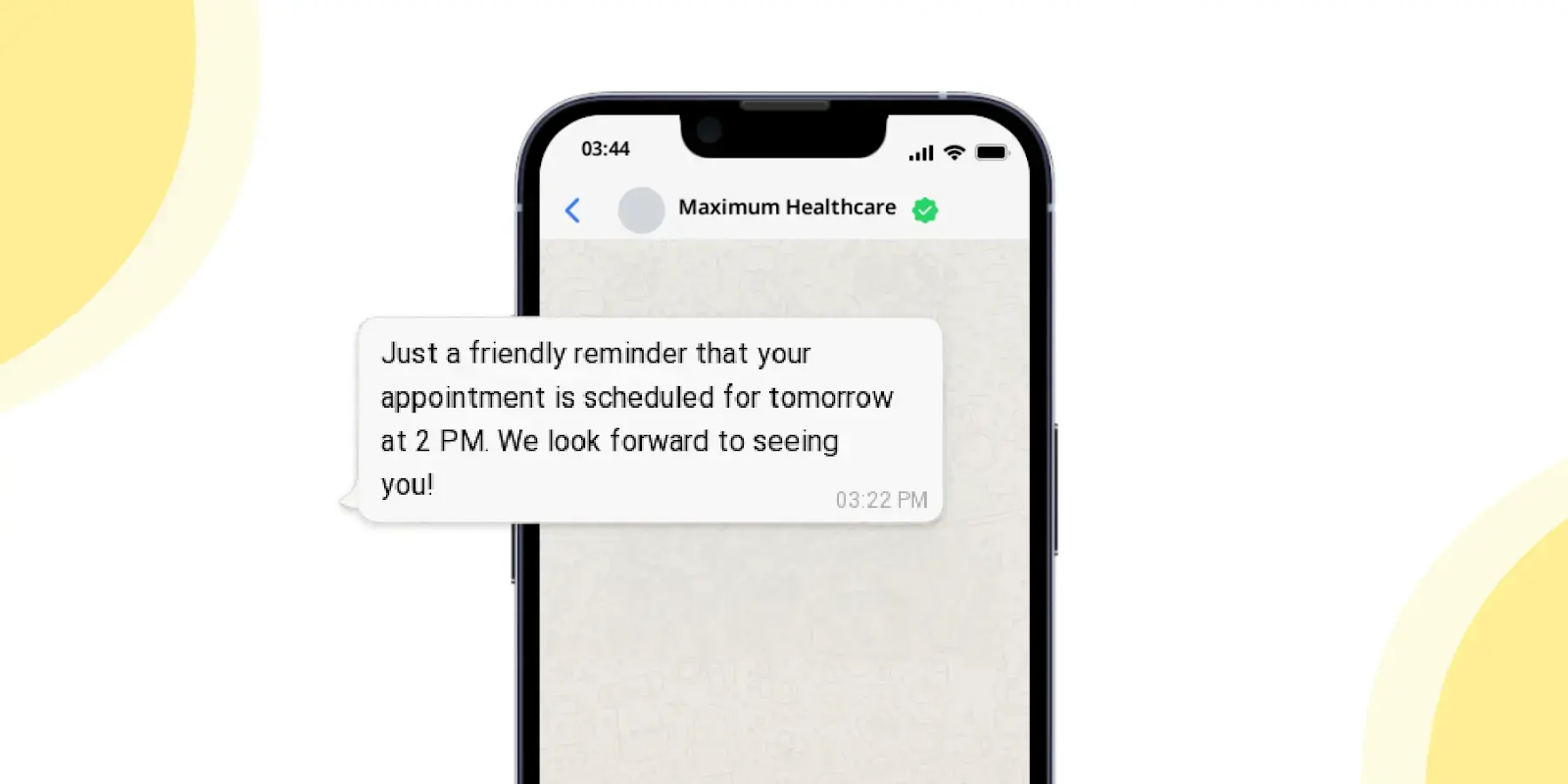
- Time-Triggered Reminders: These messages are triggered by specific dates or times and serve as reminders for events, appointments, or upcoming deadlines. For example, a transactional SMS or transactional push notification can remind a user about an upcoming webinar they have registered for. Timely reminders via transactional text help reduce missed appointments and improve customer punctuality.
- Transactional Text for Real-Time Updates: Transactional text messages can be used for a variety of real-time updates, such as order status, subscription renewals, or important account actions, providing customers with immediate and relevant information.
- Reducing Support Tickets: Proactive transactional messages, such as timely confirmations and updates, can help reduce support tickets by keeping customers informed and minimizing the need for additional inquiries.
- Identity Verification: When users sign up for a new account or request access to certain features, they may receive a transactional message asking them to verify their identity. It helps ensure the security and authenticity of the user’s account.
Many people tend to confuse a transactional message with a promotional message. Let’s explore what sets them apart.

Transactional vs. Promotional Messages: Key Differences
While both are essential for a solid consumer experience, they play very different roles in the “conversation” between a brand and a user.
One is a reliable way to keep customers updated, while the other is highlighting key USPs of products to entice consumer attention and spike their interest.
These messages can be personalised to make a positive impression on customers.
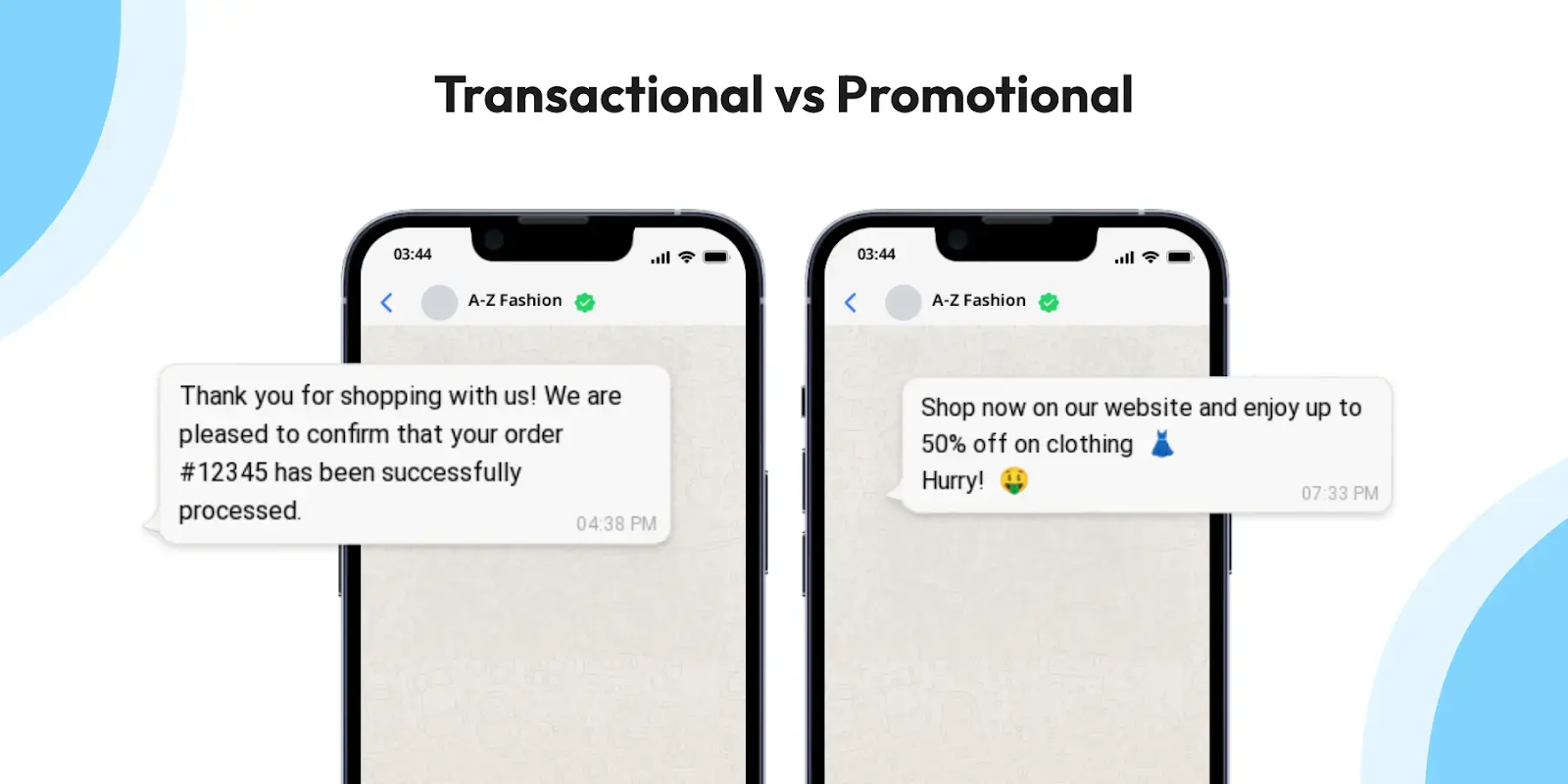
Here are the key differences between transactional and promotional messages.
| Feature | Transactional Messages | Promotional Messages |
| Primary Goal | To provide essential info or updates regarding a specific action. | To drive sales, increase brand awareness, or encourage engagement. |
| Trigger | User-initiated (e.g., a purchase, a password reset, or an inquiry). | Business-initiated (e.g., a holiday sale, a product launch, or a newsletter). |
| Content Examples | Order confirmations, OTPs, shipping updates, appointment reminders. | Discount codes, seasonal offers, back-in-stock alerts, “We miss you” notes. |
| Urgency | High (the user usually expects these immediately). | Variable (meant to grab attention, but not strictly “needed” for a task). |
| Opt-in Rules | Generally requires basic consent to receive updates about a service. | Requires explicit opt-in; users must agree to receive marketing material. |
| Customer Value | Functional utility and trust-building. | Incentivization and brand loyalty. |
Some Reminders for Transactional Messages
Below are some nuances that you should remember while framing transactional WhatsApp messages
- The “Vibe” Check: Transactional messages should be concise and direct. Promotional messages have more room for wit, emojis, and persuasive media like images or videos.
- The Power of Personalization: Transactional messages can be personalized. Adding a customer’s name to a shipping update, e.g., “Good news, Alex! Your order is on the way!”, turns a boring notification into a positive brand touchpoint.
- Opt-Out: WhatsApp is quite strict about user experience. If your promotional messages feel like “spam,” users can easily block or report you, which affects your quality rating. Always include an easy way for them to “Stop” or “Unsubscribe.”
Key Characteristics of Transactional Messages
If you want to maximise the effectiveness of transactional messages, grasping their main qualities is essential.
Timeliness and Relevance
Transactional messages are designed to be timely and relevant, often containing time sensitive information that requires immediate attention from the recipient.
These messages, such as order confirmations or password resets, are triggered by specific user actions and must be delivered promptly to ensure their usefulness.
Providing timely updates throughout the customer journey is crucial for customer satisfaction, as it builds trust and enhances the overall experience.
Action-Oriented and Clear
Each transactional message should prompt a specific action, such as confirming a purchase or verifying an account.
It is important that a single message is clear and concise, delivering the necessary information in a straightforward manner to prompt the desired action without overwhelming the customer. This clarity ensures that recipients can quickly understand and respond to the message’s intent.
Quick and Time-Sensitive
Transactional messages are known for their immediacy and time sensitivity. They are created to be sent quickly, often in real-time or near-real-time, ensuring timely and relevant information exchange.
Whether it’s a confirmation email, a receipt, or a WhatsApp notification, the timing is vital for maintaining the integrity of the transaction.
Action-Oriented Content
The primary goal of operational messages is to prompt a specific action or response from the recipient. Whether confirming a purchase, validating a login, or acknowledging a request, these messages inherently focus on encouraging action.
Clear and concise language is used to guide users through the necessary steps.
Automated and System-Generated
Unlike other communication forms that may involve personal interaction, a transactional message is typically automated and system-generated.
These messages are triggered by specific events or user actions, ensuring a consistent and reliable delivery process. Automation streamlines communication flow, reducing the risk of errors and delays.
Information Accuracy and Reliability
Accuracy is crucial in a transactional message. Whether conveying financial transactions, account updates, or order confirmations, these messages must provide precise and reliable information.
Users depend on the accuracy of functional messages to make informed decisions and trust the integrity of the system.
Security and Confidentiality
Due to the sensitive nature of many transactions, security and confidentiality are essential features of a transactional message.
Robust encryption and authentication measures are employed to protect the information exchanged in these messages. Maintaining the privacy and security of user data is a top priority in transactional communications.
Also Read: Guide to WhatsApp’s End-to-End Encryption and Backups
4 Key Benefits of Transactional Messages
With the ability to personalize a transactional message, brands can make a positive impression on their customers, fostering stronger relationships.
This section will explore the various benefits of transactional messages in depth for your better understanding.
1. Supporting Customer Engagement With Regular Updates
Transactional messages are triggered by a consumer’s action, such as placing an order or requesting a password reset.
These messages serve as immediate responses, acknowledging the user’s interaction and keeping them informed about the progress of their transaction.

By promptly providing updates, transactional messages support customer engagement and help build trust in the brand.
Whether it’s a delivery confirmation, an order status update, or an account alert, transactional messages ensure that users stay informed and feel connected to the brand throughout their customer journey.
This level of engagement can significantly impact customer satisfaction and loyalty.
2. Providing Essential Information To Include Details
One of the primary purposes of a transactional message is to provide users with essential information related to their transactions or events.
These messages contain details that users need to know, such as order confirmations, appointment reminders, password resets, and identity verification.

By delivering this critical information directly to the user’s inbox or mobile device, operational messages ensure that users have all the necessary details at their fingertips.
This not only enhances the user experience but also minimises confusion and potential frustrations.
3. Personalization and Positive Impression With the Right Template
Transactional messages offer a unique opportunity for brands to personalise their communication with customers. By tailoring these messages to each individual user, brands can create a more personal and relevant experience.
Personalization can include addressing the user by their name, referencing their specific transaction details, or even recommending related products or services.
This level of customisation not only improves the user’s perception of the brand but also increases the likelihood of repeat business and word-of-mouth recommendations.
4. Steering Clear of Promotional Messages
When crafting operational messages, brands should be cautious about including product promotions. While it can be tempting to seize this opportunity to cross-sell or upsell, it’s important not to detract from the core message.
Balancing promotional elements with the primary transactional information ensures that users receive a positive impression without feeling overwhelmed or distracted.
How to Implement Transactional Messages in 2026
Now that you have all the information, let’s put it into action.
Think of this section as a checklist for your brand to implement transactional messages.
| Action | Details |
| Identify Key Transactional Touchpoints | -Identify essential touchpoints in your customer journey, such as order confirmations or account updates. – Determine when to activate transactional messages for optimal impact. |
| Define Clear Objectives | – Clearly outline the goals of your transactional messages, be it confirming transactions, delivering updates, or communicating critical information, ensuring alignment with broader business communication strategies. |
| Choose the Right Transactional Message Channels | – Explore various communication channels-email, SMS, WhatsApp push notifications—tailoring your choices to match customer preferences, ensuring your messages are delivered where and how they are most likely to be seen. |
| Ensure Personalization and Relevance | – Implement personalised content strategies, using customer data to customise transactional messages based on individual preferences, behaviours, and demographics, enhancing relevance and engagement. |
| Maintain Consistency in Branding | – Uphold a consistent brand identity in functional messages, ensuring that the tone, voice, and visual elements align with your overall brand, reinforcing recognition and trust. |
| Focus on Timing and Frequency | – Optimise the timing of your messages, delivering transactional updates promptly without overwhelming customers. – Striking a balance in frequency ensures you stay informative without becoming intrusive. |
| Implement Robust Security Measures | – Prioritise the security of transactional messages, especially when conveying sensitive information. – Employ encryption and other security protocols to safeguard customer data, fostering trust and compliance. |
| Monitor and Analyze Performance | – Set up analytics to track the performance of operational messages. – Regularly analyse metrics like open rates and click-through rates, and leverage customer feedback to make data-driven improvements for enhanced effectiveness. |
| Stay Compliant with Regulations | – Familiarise yourself with data protection and privacy regulations, ensuring compliance with industry-specific laws like GDPR. – This safeguards customer information, maintaining trust and integrity in your communication practices. |
Measuring Success and ROI
To maximize the impact of your transactional messaging strategy, it’s essential to measure its success and return on investment (ROI).
Start by tracking key metrics such as delivery rates, open rates, click-through rates, and conversion rates for your messages.
High delivery and open rates indicate that your transactional messages are reaching and resonating with customers, while strong click-through and conversion rates show that customers are taking desired actions.
Beyond these quantitative metrics, monitor customer engagement and satisfaction through tools like Net Promoter Score (NPS) and customer retention rates. These insights reveal how well your transactional communications are supporting customer relationships and driving repeat purchases.
By regularly analyzing these metrics and refining your approach, such as personalizing messages and providing customers with timely, relevant information, you can continually improve customer engagement, satisfaction, and loyalty.
Ultimately, effective transactional messaging not only keeps customers informed but also drives long-term business growth by enhancing the overall customer experience.
Transactional Messaging With Wati
Wati understands that transactional messaging can be tricky. That is why it does the heavy lifting for you.

How?
Wati simplifies transactional messaging by letting you send automated bulk messages, create personalised notifications, and much more.
Where?
The place where most of your customers are: WhatsApp. It offers pre-designed WhatsApp API templates to offer ready-made samples for transactional communication with customers.
So whether you are looking to send order confirmations, reminders, or account alerts, Wati takes care of everything.
Sounds too good to be true? Don’t take our word for it. Instead, book a demo today and witness it yourself.
Build Transactional Reliability Now!
Transactional messages serve as a crucial touchpoint between a brand and its customers. They provide necessary information and support customer engagement by delivering personalised and relevant content.
When done right, these messages can leave a positive impression and enhance the brand-customer relationship. However, failing to send transactional messages can have severe consequences.
By neglecting to provide timely and informative communications, brands risk damaging the trust and loyalty they have worked hard to build with their customers.
As a brand, you must prioritise sending operational messages promptly and effectively to uphold customer satisfaction and engagement.
We hope the tips and suggestions mentioned in this blog come in handy. You can also check out our WhatsApp Business API Templates for transactional messages to get started.
Frequently Asked Questions: Transactional WhatsApp Messages
More questions? Find answers below!
Examples of transactional messages include password reset emails, delivery confirmations, order confirmations, account alerts, identity verification, time-triggered reminders, and password resets.
Transactional messages provide essential information about a customer’s action (e.g., order confirmation), while promotional messages aim to market products or services.
Businesses can ensure transactional message security by implementing encryption, secure channels, and robust authentication measures.
Transactional messages contribute to customer retention by reinforcing positive experiences, demonstrating reliability, and fostering ongoing engagement.
Businesses must comply with data protection laws and regulations, ensuring that transactional messages adhere to privacy and consent requirements.