

-

-
-
Solutions
-
Soluções
-
Soluciones
-
解决方案
-
解決方案
-
الحلول
-
Product
-
Produto
-
Producto
-
产品
-
產品
-
المنتج
-

-
-


 Wati for Marketing
 Wati for Support
 Wati for Sales
 eLearning
 E-commerce
 Marketing Agencies
 Healthcare
 No Code Chatbots
 AI Support Agent
 Instagram and Facebook messenger
 Click to WhatsApp ads
 Campaigns
 Team Inbox
 WhatsApp Business Calling
 Wati AI
 Overview
 Library

The Complete Guide to Omnichannel Marketing for Growing Brands
Written by:
 Ashwin
|
Last updated on:
March 5, 2026
|
Fact Checked by :
Ashwin
|
Last updated on:
March 5, 2026
|
Fact Checked by :
 Namitha
|
According to: Editorial Policies
Namitha
|
According to: Editorial Policies
 Table of Contents
Too Long? Read This First
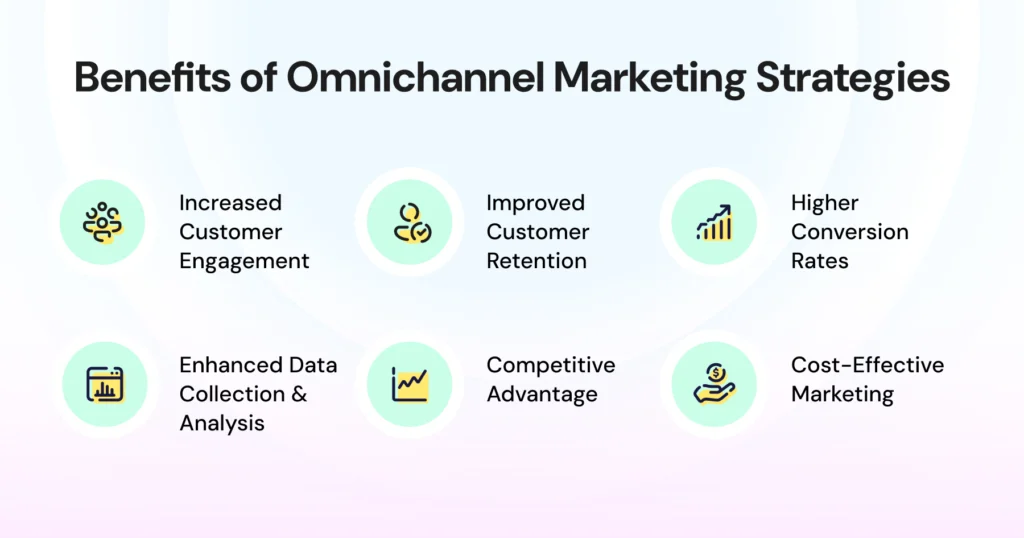
- Customer Expectations Have Changed: Modern buyers move between channels like web, social, and chat. They expect brands to recognize them and maintain consistency everywhere.
- Connected Journeys Win: Omnichannel marketing links all customer touchpoints into one experience, reducing friction and improving trust.
- Automation Drives Efficiency: Tools like Wati help automate workflows, manage multi-agent communication, and deliver timely responses across channels.
- Data Unification Matters: A single view of the customer ensures accuracy, faster response times, and seamless collaboration across teams.
- Measure What Matters: Tracking engagement, conversions, and response rates helps identify the most effective channels and improve ROI.
- Privacy Builds Loyalty: Consent-based personalization and transparent data use are now essential to earn and retain customer trust.
Brands implement WhatsApp omnichannel marketing to broaden reach and bridge the gap between simple presence and true connectivity.
While most businesses have multiple touchpoints, the challenge is ensuring those channels actually talk to each other.
When email, social media, and web interactions live in silos, customers feel the friction every time they switch devices.
A true omnichannel strategy shifts the focus from managing platforms to orchestrating experiences.
If you are keen to learn more about running omnichannel campaigns via WhatsApp marketing, this guide will walk you through it.
What is Omnichannel Marketing?
Omnichannel marketing connects every customer touchpoint, whether online, in-store, or on social media, into one consistent experience. It ensures customers receive the same quality of service and information across all platforms.

The strategy focuses on understanding and supporting the customer journey across channels. It aligns messaging, goals, and design so that every interaction feels connected and purposeful.
Consider a customer who places an item in their cart and receives a reminder shortly after. If the purchase is not completed, you send an email with a discount to encourage action. Keeping the tone and style aligned across both channels results in a connected customer journey.
For businesses, especially in e-commerce, this approach improves satisfaction, strengthens loyalty, and supports sustainable growth. It requires planning, reliable systems for integrating all marketing efforts, and a clear customer-first mindset.
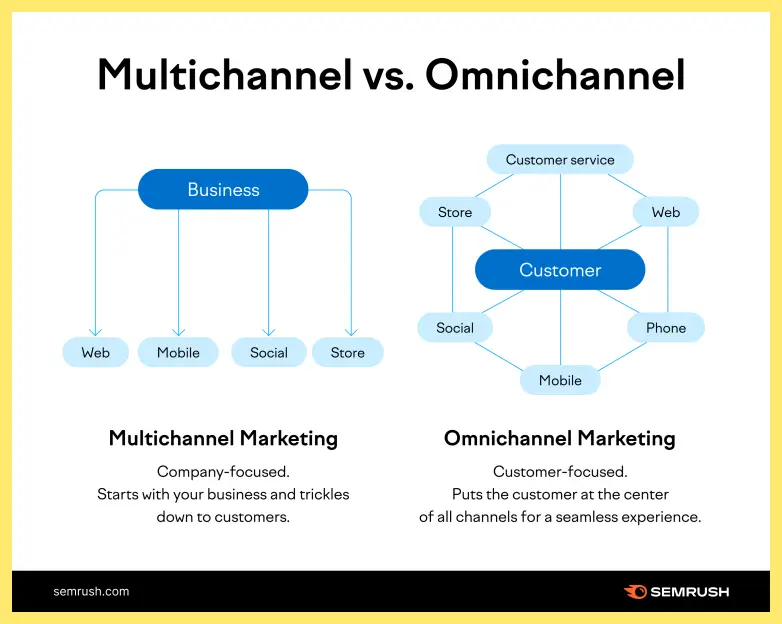
How Multichannel Marketing Differs from Omnichannel Marketing?
- Multichannel means being available on several platforms but treating each one separately.
- Omnichannel means connecting all platforms so the experience continues without disruption.
| Aspect | Multichannel Marketing | Omnichannel Marketing |
| Focus | Channels are the focus; each channel operates independently. | Customer experience is the focus; channels are integrated and work together. |
| Integration | Channels are not necessarily integrated or connected. | Channels are seamlessly integrated, providing a unified experience. |
| Customer Experience | Each channel offers a distinct, often disconnected experience. | Customers experience a consistent, cohesive journey across all channels. |
| Data Usage | Data may be collected and analyzed per channel, leading to siloed insights. | Data is collected across all channels and integrated for holistic insights. |
| Messaging | Messaging and branding may vary across channels. | Consistent messaging and branding across all channels. |
| Interaction | Customers may have to repeat information when switching channels. | Information is retained across channels, reducing the need for repetition. |
| Personalization | Limited personalization due to disconnected channels. | High level of personalization based on integrated data from all channels. |
Think of a sportswear brand sending you an email about a sale on running shoes. You check the website but cannot find your size, so you visit their store. The staff does not know about the email offer, and you must explain it to get the discount.
Later, you come across another ad from the same brand showing a different promotion. Each channel feels separate, resulting in a disjointed experience.
Tip: Connected systems prevent customers from repeating information or losing progress. This improves satisfaction, response time, and overall engagement quality. Learn more about how WhatsApp Business API can help here.
Why Omnichannel Marketing is Important for Businesses Today?
Customers expect brands to recognize them and maintain consistency across every channel. They no longer tolerate having to repeat information when they switch devices or platforms.
79% of customers expect brands to communicate consistently across departments, yet more than half still feel they interact with separate teams rather than one unified brand (Salesforce).
72% of consumers say poor personalization weakens their trust in a brand, and 58% will stop buying if messages or experiences fail to reflect their needs (Adobe Trust Report).
Why WhatsApp Plays a Key Role in Engagement?
WhatsApp enables direct and efficient communication between businesses and customers. It helps maintain ongoing conversations, deliver confirmations, and send timely updates.
What are the Fundamental Pillars of a Successful Omnichannel Marketing Strategy?
Your brand tone, style, and approaches should be the same throughout your marketing effort; that’s where real omnichannel marketing starts.
Now, let’s examine each aspect individually to create an omnichannel marketing strategy that contributes to revenue generation.
1. Unified Customer Data
A strong omnichannel plan begins with clean, connected data. When customer details are stored in one place through a CRM or shared database. Teams can view the same information and respond with context.
2. Consistent Brand Messaging
Customers should experience the same tone and visual identity wherever they interact with a brand. Aligning communication across marketing, sales, and support creates reliability and helps build trust.
3. Integrated Technology Stack
Each channel works best when it connects to the others. Linking WhatsApp, email, SMS, and other platforms allows customer interactions to stay in sync, reducing manual effort and data gaps.
4. Personalization and Automation
Insights drawn from customer behavior can guide relevant, timely messages. Automating routine communication through Wati helps businesses reply faster and keep engagement consistent at every stage.
Tip: Also, read how WhatsApp Automation works.
What are the Key Steps to Create an Omnichannel Marketing Strategy?
Keep reading to learn about the key steps for creating an omnichannel marketing strategy.
1. Map Your Customer Journey
Begin by outlining each stage of your customer’s interaction with the brand, from awareness and engagement to purchase and after-sales support. Understanding how people move across different channels helps identify where to focus communication and where gaps exist.
Without a proper customer journey mapping, you cannot plan the communication. Customer communication differs in each stage.
When customers discover the brand, they need clarity about the product, not a sales pitch. In the discovery stage, the customer needs to understand the USP of your product. Purchase stage, you need to offer communication to fasten the buying action. Post-purchase messages should contribute to re-engagement and repeated buying.
2. Identify Key Channels
Review the platforms your audience uses most and how they engage with your business on each. Prioritize the ones that show the highest response and align well with your goals.
If they have a product in the cart, send an abandoned cart recovery message. If the customer visits your product multiple times, send an email with a discount or a message that creates urgency.
3. Automate Repetitive Workflows
Set up workflows for actions like order confirmations, payment updates, and reminders.
You can integrate WhatsApp API with CRMs to make sure some of the workflows are automated and customer data is stored accurately. Integrating these with your CRM ensures that messages are sent on time.
4. Personalize Every Interaction
Use available customer data to make every message meaningful. Personalisation can include greeting customers by name, suggesting products based on past activity, or adjusting communication frequency to match preferences.
How to Expand Your Marketing Reach with WhatsApp API Integration?
WhatsApp has become a core part of how many businesses manage customer communication.
When integrated into a WhatsApp Business API setup, it helps connect teams, automate key workflows, and deliver faster, more consistent service across touchpoints.
Here is how you can expand your business with WhatsApp Business API.
1. WhatsApp Automation
Automation keeps communication active without adding extra manual work.
- Chatbots can manage routine questions and direct complex issues to the right person.
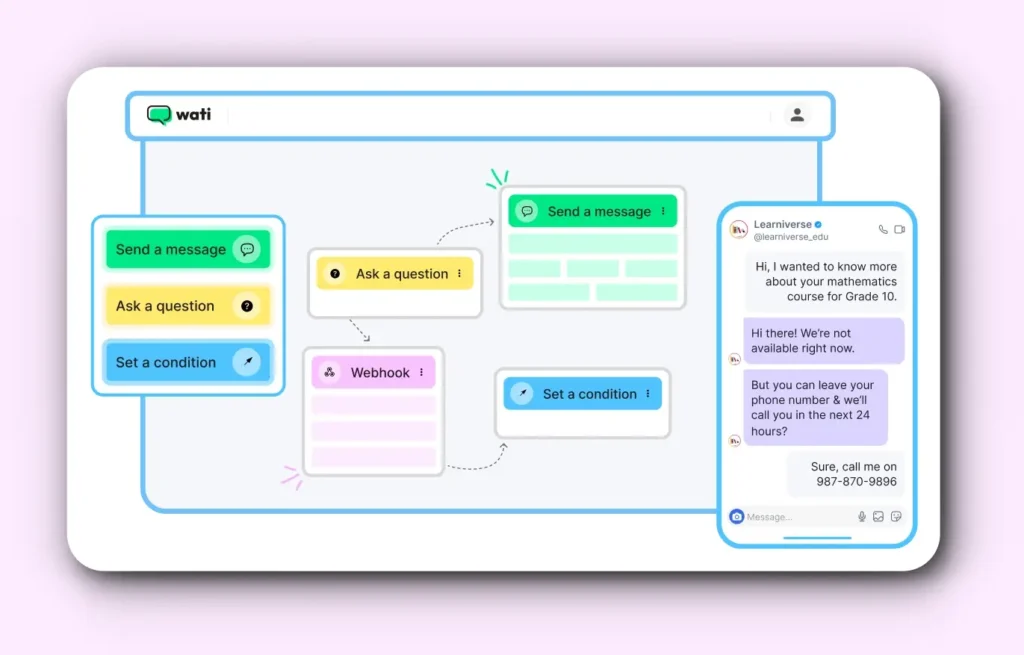
- Custom workflows can automate steps such as order tracking, appointment reminders, or confirmations.
These tools make interactions more efficient while maintaining a consistent tone and experience across channels.
How does Wati support?
With Wati’s flow builder, businesses can design automated WhatsApp journeys that handle support queries, confirmations, or marketing messages quickly and accurately.
2. Multi-Agent Support
Customers expect fast, informed replies, regardless of who they talk to. Multi-agent access allows several team members to manage WhatsApp conversations at once and assign chats to the right departments. This improves coordination and response times.
Support offered by Wati
Wati’s shared team inbox gives teams a single workspace to track, assign, and respond to messages in real time. Learn more about WhatsApp Team Inbox.
3. Broadcast Messaging and Scheduling
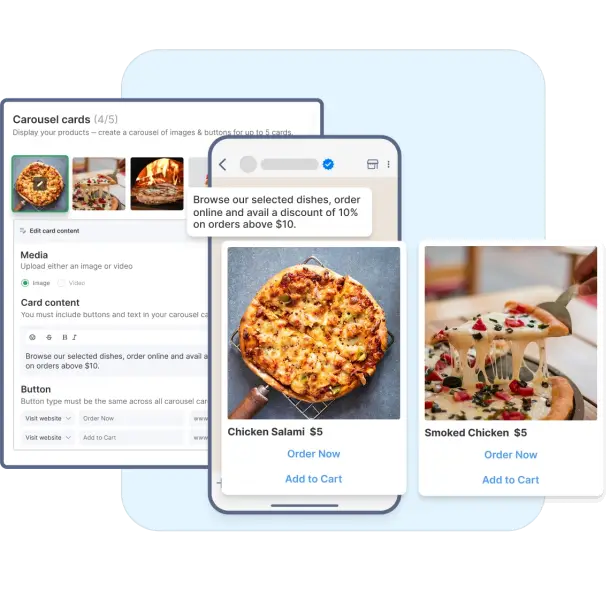
Broadcast and scheduled messaging allow brands to keep audiences updated at the right time. When combined with a CRM, these features support targeted communication such as product updates, offers, or follow-ups.
How does Wati help?
Wati’s Broadcast feature lets teams send bulk or sequence-based messages to approved customer lists. It also supports automated replies for greetings, off-hours messages, or keyword-based responses.
How Different Industries Apply Omnichannel Strategies?
Here is how different industries apply omnichannel strategies to their product.
1. Retail
A person sees an ad on social media, visits the store’s website, and leaves before purchasing. Later, a WhatsApp message reminds them about the product they viewed.
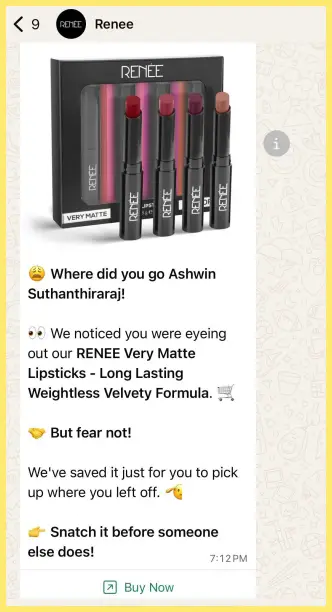
The message includes stock updates or limited-time offers that encourage quick action. This approach helps retailers recover lost sales and deliver a consistent shopping experience.
2. BFSI
Banks and insurance providers often combine email alerts with WhatsApp updates.
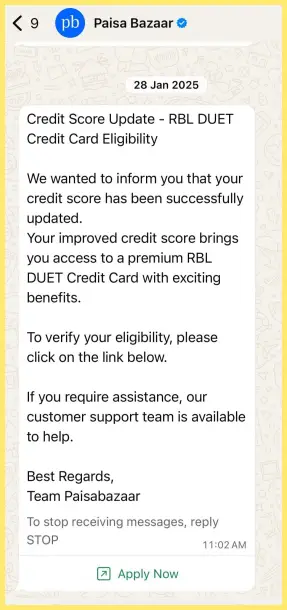
A renewal notice sent by email is followed by a short WhatsApp message confirming payment or sharing quick support links.
3. Hospitality
Guests who book online get a confirmation on WhatsApp along with check-in details. This small step improves clarity and reduces last-minute questions before arrival.
4. Education
When someone submits a course inquiry, an automated WhatsApp reply shares course options and admission details. Quick, clear responses make the experience more personal and efficient.
What are the Top Channels to Include in Your Omnichannel Marketing Strategy?
You can uplift your omnichannel strategy via these marketing channels.
1. Social Media Platforms
Social media continues to shape how people discover, follow, and interact with brands. Each channel serves a different purpose, so understanding how audiences use them helps guide what to share and where.
More than 5.17 billion people use social networks worldwide, based on Statista’s report.
Sephora Innovative AR Ads on Social Media
Sephora teamed up with Snapchat to stay visible during Ramadan. The brand created an AR game where people could explore new products and earn a discount code to use online.
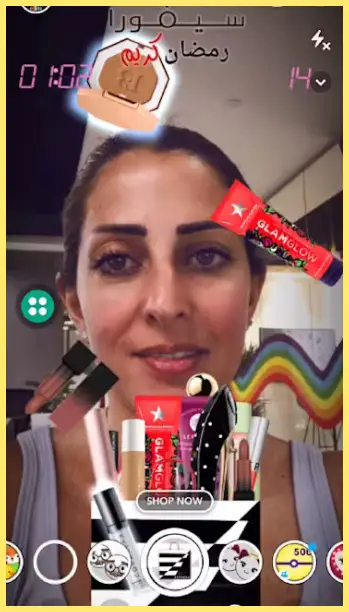
The campaign kept users engaged and ended up driving around 5% of the brand’s online sales during the month.
2. Email Marketing
Email remains a dependable tool for maintaining customer relationships and supporting sales. It allows brands to send personalized messages efficiently while offering clear performance metrics for every campaign.
Tip: Divide your mailing list by interest or behaviour so each segment receives content that matches its needs.
Domino’s Email Approach
Domino’s Pizza uses email as part of a wider customer communication plan. Once an order is placed, a confirmation email is sent with order details and a live tracking link.

Later, a follow-up message includes discount codes and offers to encourage repeat purchases.
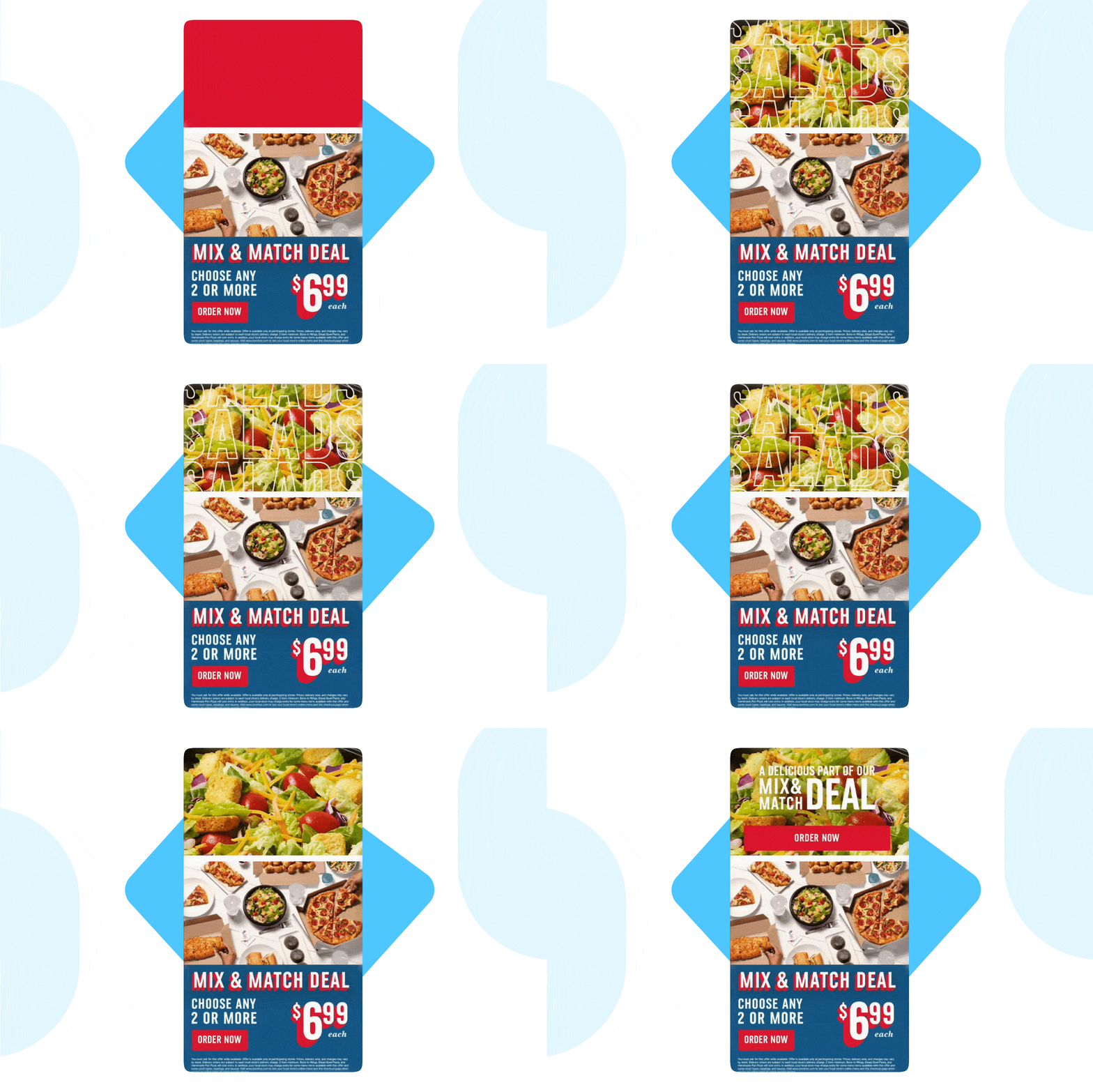
The emails are designed to be straightforward, visually consistent, and focused on customer convenience.
3. Website
For most businesses, the website is where customers form their first impression. It needs to be simple to navigate, quick to load, and functional across different devices.
Focus on:
- A responsive layout that adapts to screen size
- Fast loading speed
- Clear menus and structure
- Calls to action that guide visitors
A site that is easy to use helps build trust and supports conversions.
IKEA’s Click and Collect Service
IKEA uses its website to connect online shopping with in-store pickup. Through the Click and Collect feature, customers can place an order online and choose a nearby store or collection point to pick it up.
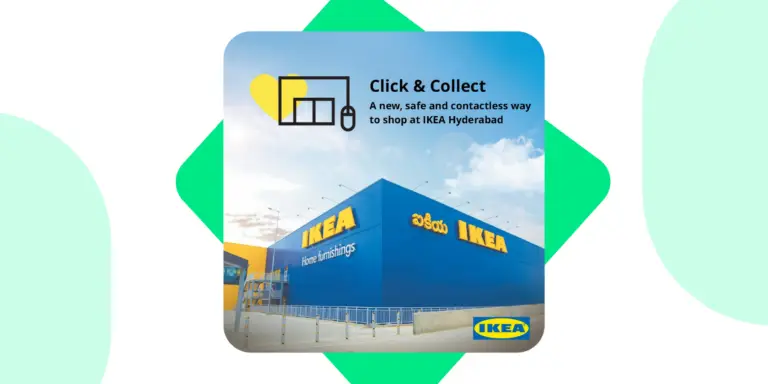
This approach links digital and physical channels, offering flexibility and convenience. It also gives IKEA useful insights into customer preferences, helping improve inventory management and service quality.
How to Measure the ROI of Your Marketing Strategy?
If you are reaching out to customers and attributing multi-marketing campaigns, you need to evaluate ROI to understand which marketing channels work. Here is how to do it.
1. Track Engagement and Conversion Metrics
Start by looking at how customers interact with your campaigns. Metrics such as open rates, click-throughs, response times, and repeat purchases show how well each channel performs. Reviewing these numbers regularly helps you see what’s working and what needs improvement.
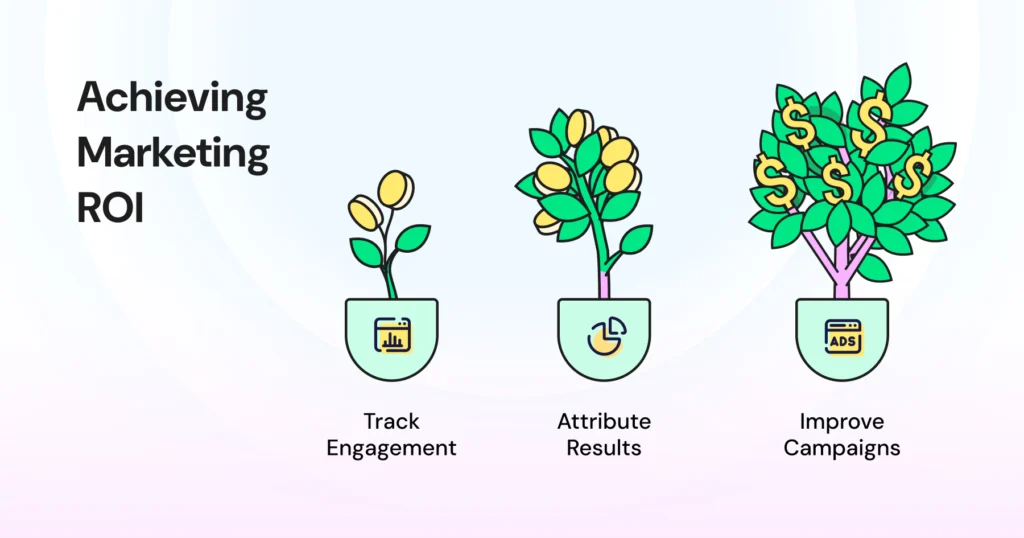
2. Attribute Results by Channel
Use data to understand where conversions come from. Comparing the impact of channels like WhatsApp, email, and social media can reveal which ones influence buying decisions the most. This insight helps guide budget and resource allocation toward the most effective platforms.
3. Improve Campaigns Through Analytics
Analytics provide direction for better decision-making. By studying trends in engagement and customer behavior, you can adjust message timing, refine content, and improve overall campaign flow. The goal is to create a data-driven process that steadily increases both engagement and ROI.
What are the Common Roadblocks and How to Move Past Them?
Here are the common roadblocks you might encounter in omnichannel marketing.
1. Managing Data Silos
When customer data sits in separate systems, teams work with incomplete information. Linking your CRM with platforms like WhatsApp API helps create a single view of each customer, improving coordination and response time.
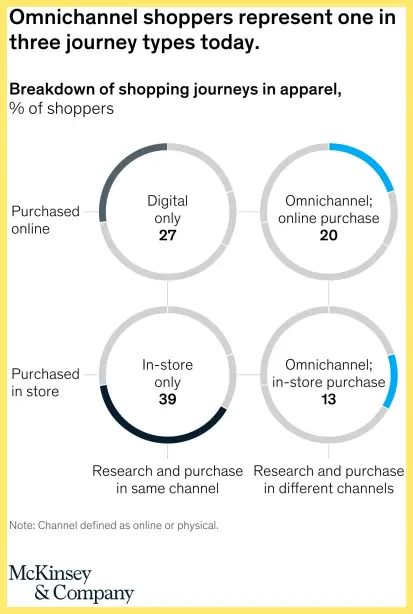
2. Maintaining Consistency Across Channels
Brands often struggle to keep their tone and messaging aligned. A shared content calendar and message library help teams stay consistent, which builds recognition and trust over time.
3. Measuring ROI and Attribution
It can be difficult to identify which channels influence a customer’s decision. Tracking activity across email, chat, and web interactions gives a clearer picture of engagement and conversion patterns.
4. Using Automation Tools Like Wati to Simplify Workflows
Automating messages, reminders, and follow-ups reduces manual work and keeps communication steady. With Wati, businesses can manage campaigns and support conversations more efficiently.
Also Read: Learn how Wati powers customer support
What are the Top Omnichannel Marketing Trends For Customer Acquisition?
Keep reading to learn about some leading market trends to remember for omnichannel lead generation.
1. AI-Driven Personalization
Artificial intelligence is now shaping everyday customer experiences. Analyzing how people browse and buy helps brands predict intent and share recommendations that feel relevant in the moment. The result is a smoother, more personal journey that encourages faster decisions.
2. Conversational Commerce and WhatsApp Shopping
Shopping through chat apps has moved from novelty to habit. Many consumers now explore products, ask questions, and place orders directly within WhatsApp. This approach blends service and sales in one place, removing extra steps from the buying process and improving convenience.
3. Real-Time, Behaviour-Based Journeys
Brands are using automation tools to react to customer behaviour as it happens. A click, a search, or an abandoned cart can automatically trigger a message that keeps the interaction going. Responding in real time helps businesses stay relevant and maintain steady engagement.
4. Data Privacy and Customer Consent
As data regulations tighten, customers expect openness about how their information is collected and used. Frameworks like GDPR and India’s Digital Personal Data Protection Act require brands to seek clear consent. Companies that follow these standards tend to build stronger trust and long-term loyalty.
Widen your Outreach, Strategically
Omnichannel marketing brings every interaction together into one connected experience. It relies on consistency, timing, and personalization to make communication feel seamless across channels.
Using WhatsApp with Wati allows businesses to automate key workflows, centralize customer data, and keep conversations aligned across teams and platforms.
The result is a strategy that helps customers stay informed, supported, and engaged at every stage.
Start a free demo to learn more about how to run omnichannel campaigns via Wati.
Frequently Asked Questions: Omnichannel Marketing
Need answers? Please refer below!
Omnichannel marketing connects all customer touchpoints, including websites, social media, email, and chat platforms, into one unified experience. It ensures customers receive consistent service and communication across every channel.
Multichannel marketing focuses on using several independent platforms. Omnichannel marketing links those platforms so customers can switch between them without losing context or information.
It helps maintain consistent messaging, improves customer satisfaction, and strengthens loyalty. A connected experience makes it easier for customers to engage and make decisions.
WhatsApp enables direct, real-time communication between businesses and customers. When integrated through tools like Wati, it supports automation, faster responses, and seamless coordination with other channels.
Essential components include unified customer data, consistent brand messaging, integrated technology, and personalized automated communication. These elements ensure smooth collaboration and accurate engagement.
Common challenges include scattered data, inconsistent communication, and tracking results across channels. Integrating systems and using reliable analytics tools help address these issues.
Brands can track engagement metrics such as open rates, click-throughs, conversions, and repeat purchases. Comparing performance across platforms helps identify the most effective channels and optimize future campaigns.