

-

-
-
Solutions
-
Soluções
-
Soluciones
-
解决方案
-
解決方案
-
الحلول
-
Product
-
Produto
-
Producto
-
产品
-
產品
-
المنتج
-

-
-


 Wati for Marketing
 Wati for Support
 Wati for Sales
 eLearning
 E-commerce
 Marketing Agencies
 Healthcare
 No Code Chatbots
 WhatsApp Business API
 Instagram Automation
 Click to WhatsApp ads
 Campaigns
 Team Inbox
 WhatsApp Business Calling
 Wati AI
 Overview
 Library
 Agente de suporte de IA
WhatsApp API For SaaS: Scaling Intelligent Conversations in 2026
Written by:
 Shreya
|
Last updated on:
April 2, 2026
|
Fact Checked by :
Shreya
|
Last updated on:
April 2, 2026
|
Fact Checked by :
 Namitha Sudhakar
|
According to: Editorial Policies
Namitha Sudhakar
|
According to: Editorial Policies
 Table of Contents
Too Long? Read This First
- Combat Churn: WhatsApp helps SaaS brands bridge the "onboarding gap" by delivering instant, interactive setup guides that email can't match.
- Recover Revenue: Automate "failed payment" nudges with embedded links to protect your MRR from involuntary churn.
- Drive High-Intent Leads: Use Click-to-WhatsApp Ads (CTWA) to bypass friction-heavy forms and connect prospects directly with product experts.
- Seamless Tech Stack: Wati offers native bi-directional sync with HubSpot, Zoho, and Salesforce, keeping your customer data and conversations perfectly aligned.
- Scale with AI: Deploy Astra, Wati’s AI agent, to qualify leads 24/7 and handle technical support via the Shared Team Inbox and WhatsApp Calling.
If you want to grow in the B2B market, you need to prioritize customers’ expectations and service.
B2B marketers who use siloed tools for engagement ultimately face heavy customer churn, high upfront subscription costs, and a steady loss in revenue.
Using WhatsApp Business API for SaaS allows you to intelligently automate conversations, access data-driven ROI reports, and provide instant resolution to improve engagement and trust.
In this guide, I’ll break down the benefits of using WhatsApp API for SaaS and how to utilize it via API plugins for improved lead quality, customer engagement, marketing efficiency, and revenue growth.
WhatsApp Business API vs. WhatsApp Cloud API: How Can SaaS Companies Pick the Best?
The effective key to consumer growth is personalization, the ultimate aim of any company promoting SaaS applications in today’s market.
In fact, a study from McKinsey confirms that 71% of consumers expect companies to deliver personalized interactions, and 76% get frustrated when that doesn’t happen.
Choosing the right infrastructure is the first step in a successful WhatsApp marketing strategy. While both allow you to message at scale, they serve different operational needs for a growing SaaS company.
| Feature | WhatsApp Business API (On-Premise) | WhatsApp Cloud API (Meta-Hosted) |
| Hosting | Hosted by a BSP like Wati. | Hosted directly by Meta. |
| Maintenance | BSP manages updates & server capacity. | Automatic updates by Meta. |
| Setup Speed | Guided verification process. | Instant setup (active in minutes). |
| Throughput | High (250+ messages per second). | Massive (1,000+ messages per second). |
| Compliance | Hands-on support for GDPR & security. | Standardized Meta security protocols. |
| Ideal For | Brands needing white-glove support & managed compliance. | Fast-scaling SaaS looking for rapid deployment. |
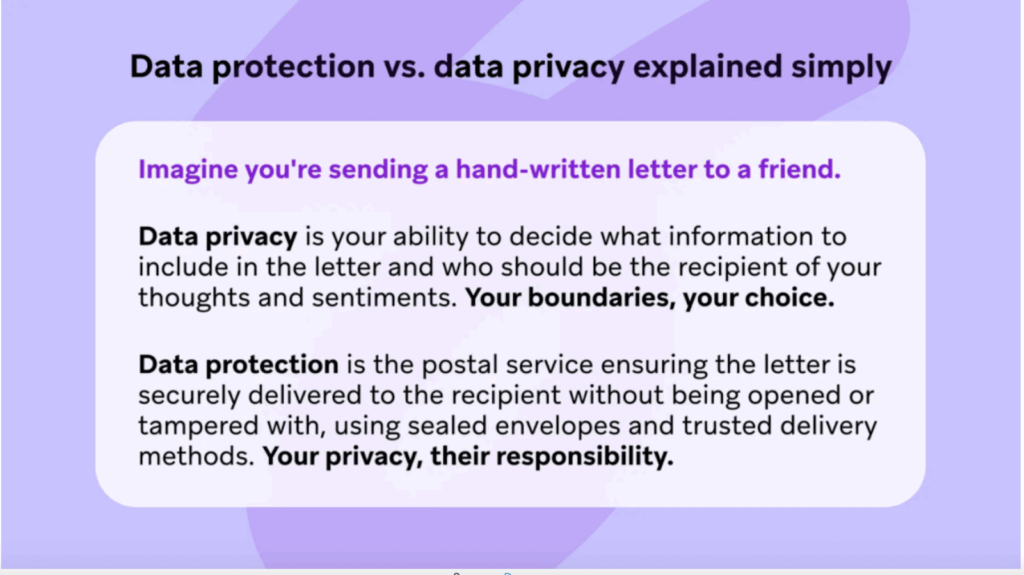
Regardless of the backend, Wati serves as the intelligence layer for your WhatsApp operations, enabling smooth communication and service delivery.
We supervise template approvals via Meta endpoints, manage Meta fees, and ensure your data is protected with end-to-end encryption, allowing your developers to focus on your product rather than API maintenance.
Choosing between WhatsApp Business API and WhatsApp Cloud API depends entirely on the operational bandwidth, capacity, and network scale of your SaaS stack.
The WhatsApp Cloud API, hosted and managed by Meta, is ideal if you want to integrate WhatsApp quickly without managing infrastructure, upgrades, or compliance overhead.
If your business requires advanced workflows, enterprise-grade support, analytics, and long-term scalability, using the WhatsApp Business API through a trusted BSP may be a better fit, as it offloads operational complexity while supporting high-volume messaging and growth.
Also read: WhatsApp Cloud API vs On Prem API: What’s the difference?
Bonus read: Learn how you can launch and implement WhatsApp Business Cloud API to automate customer engagement effectively.
How Does WhatsApp API Solve Key SaaS Challenges?
SaaS brands face specific “confusion” or “customer churn” issues when they cannot connect with customers through traditional tools.
Here is how key product issues result in high ticket numbers for SaaS companies, and how it is resolved with WhatsApp.
1. The Onboarding Gap
Most users drop off between signup and their “Aha!” moment. Sending generic, automated emails is no solution, as they are buried in the “Promotions” tab, which customers never check.
To tackle this, SaaS brands can trigger a Wati webhook and WhatsApp marketing campaigns to provide a “Quick implementation guide” the second a user signs up.
Seeing a friendly tutorial in their chat app increases 1-day retention and eases the worries or fears customers have about running a launch on their own.
Also read: How to create a WhatsApp Broadcast list that gets results.
2. The High-Ticket Trust Barrier
Medium-sized SaaS product brands often have high upfront costs that lead to “cart abandonment” on the pricing page.
For example, customers might be hesitant to commit to a $2000/year plan without talking to an account executive.
With Wati, you can use Click to WhatsApp Ads (CTWA) that helps you initiate an instant conversation with a sales representative or product expert. It allows you to bypass the website entirely and personalize interactions.
Leads go directly from a Facebook/Instagram ad to a Wati conversation, often resulting in a lower CAC than traditional web forms.
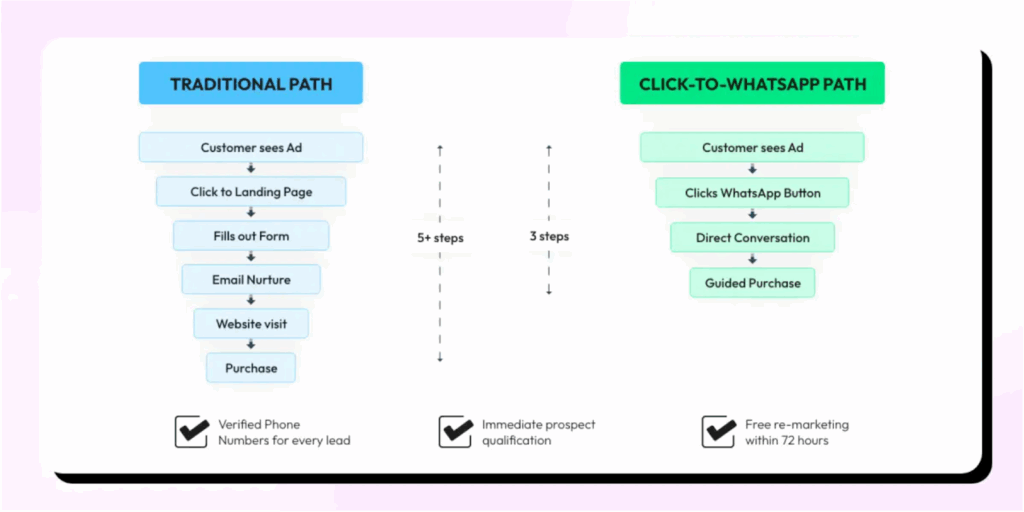
This humanizes the brand, enables instant objection handling, and reduces the friction caused by high subscription costs. This also creates an immediate 1-on-1 connection that email simply can’t match.
To handle the inquiries on scale, you can also deploy a no-code chatbot builder to engage instantly, solve queries, and provide personalized recommendations.
Also read: 12 most effective WhatsApp marketing campaign examples that you haven’t tried yet.
3. The Silent Churn (Failed Payments)
Involuntary churn due to expired cards or failed bank authorization is a silent revenue killer.
Sending rebilling emails after an initial round of failed platform payments can seem like spam to the customer. They often ignore it, which ultimately leads to account cancellation.
Instead of an email, send a secure WhatsApp pay nudge with an embedded Payment Link. Wati allows you to automate these “billing” messages, ensuring your annual recurring revenue ( ARR) and monthly recurring revenue (MRR) stay intact.
Sending a personalized WhatsApp alert with a secure one-click renewal link also improves conversion rates for recovery flows for customer success teams.
4. The Feature Discovery Phase
Users often get stuck using only 10% of a SaaS tool, leading to underutilization and, in turn, plan degradation or customer churn.
Working to publish traditional release notes, technical documentation, and newsletters has low click-through rates. Customers don’t read it and seek real-world assistance most of the time.
With Wati, you can segment your users based on app usage data. If a user hasn’t touched your “Reporting” module, trigger a proactive “Pro Tip” message explaining its value.
Here are actionable strategies for how different businesses are leveraging Wati’s segments to drive sales and reduce churn.
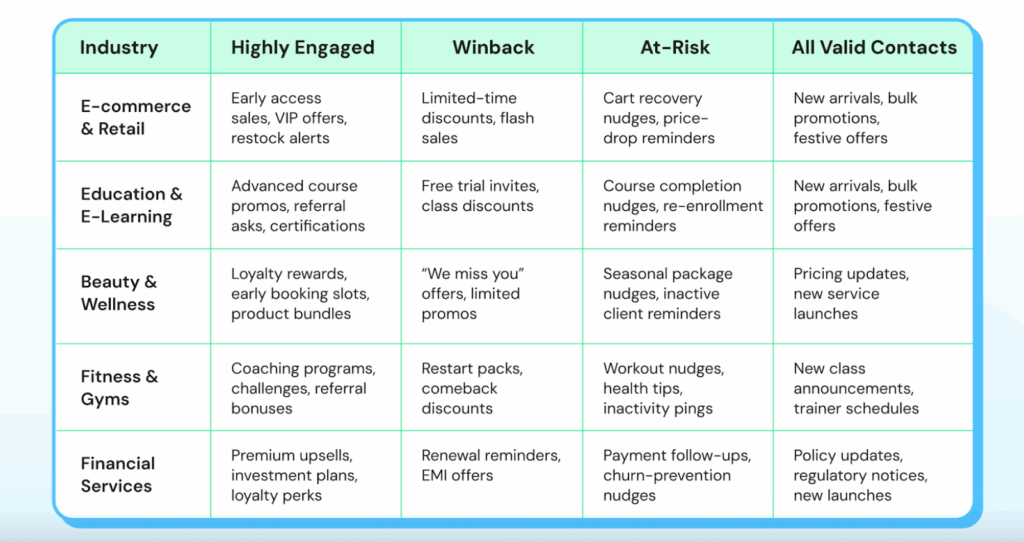
If a user has only explored 50% of your SaaS platform, revisit your partner integrations and remove those that don’t generate ROI.
Also check: How to send abandoned cart recovery messages to optimize cart checkouts in 2026.
WhatsApp Business API for SaaS: Key Use Cases in 2026
SaaS companies don’t just utilize WhatsApp to run bulk messaging campaigns. They integrate it deep into their user lifecycle strategy to maximize productivity and scale renewals.
Below are the key use cases of WhatsApp Business API for SaaS to build a winning marketing strategy.
1. WhatsApp Flows for Frictionless Actions
With WhatsApp API, SaaS companies can run “app-within-app” experiences.
Using WhatsApp Flows, users can book product demos directly in chat, complete NPS or CSAT surveys without leaving WhatsApp, or upgrade their subscription tier through interactive forms.
With Wati, you can embed the WhatsApp Automation tool to send personalized, multimodal messages via drag-and-drop builders, providing a seamless product experience for customers.
Bonus read: How does customer journey analytics work to improve nurturing and earn successful deals?
2. Multichannel Marketing Automation
With WhatsApp integration, you can also customize marketing content across multiple engagement platforms while maintaining data privacy.
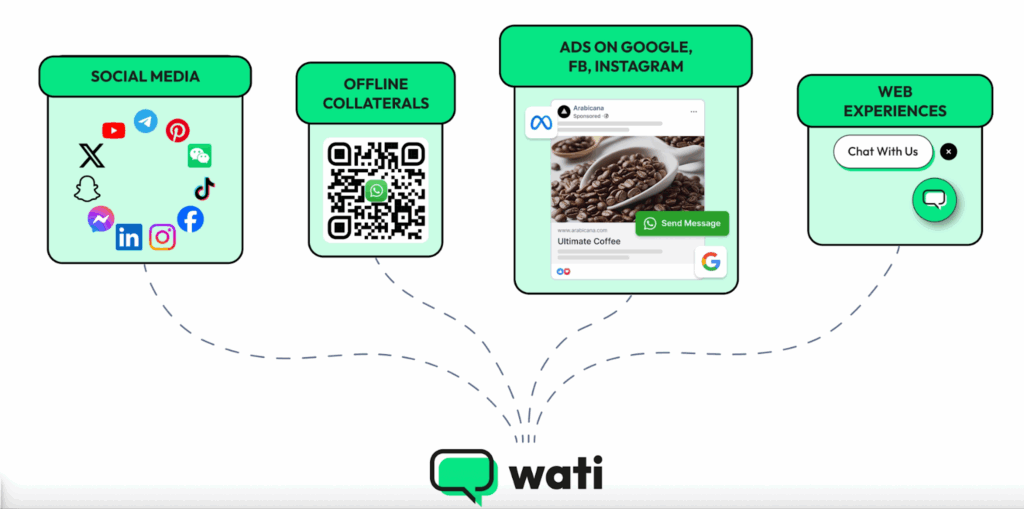
With Wati, you can drive leads from Instagram or Facebook directly into a qualified WhatsApp funnel using Click to WhatsApp Ad (CTWA) and Click to Message Ad (CTMA).
This helps you reduce your Customer Acquisition Cost (CAC) by qualifying intent through a conversation rather than a static, high-friction web form.
By building a multichannel campaign strategy, you distribute the right ads to the right prospects with high intent, which promotes your value proposition much better.
3. Bulk Broadcasting for Product Launches
SaaS companies take intel from user reviews, NPS surveys, and other channels to learn what features users need and like.
This is why Wati allows you to move beyond one-size-fits-all blasts. Use Wati’s Advanced Segmentation to send a personalized campaign only to users whose behavior indicates they need a specific new feature.
Read More: What are the WhatsApp API pre-requisites to keep in mind before setting up a WhatsApp profile?
How Does Wati Improve Customer Engagement for SaaS companies?
Wati provides the specialized toolset needed to turn a chat app into an enterprise-grade growth platform.
Below are the latest features you can embed in your tech stack for a comprehensive B2B marketing arsenal.
1. Customer Support
For small- to mid-sized CRM brands, support volume is a significant bottleneck.
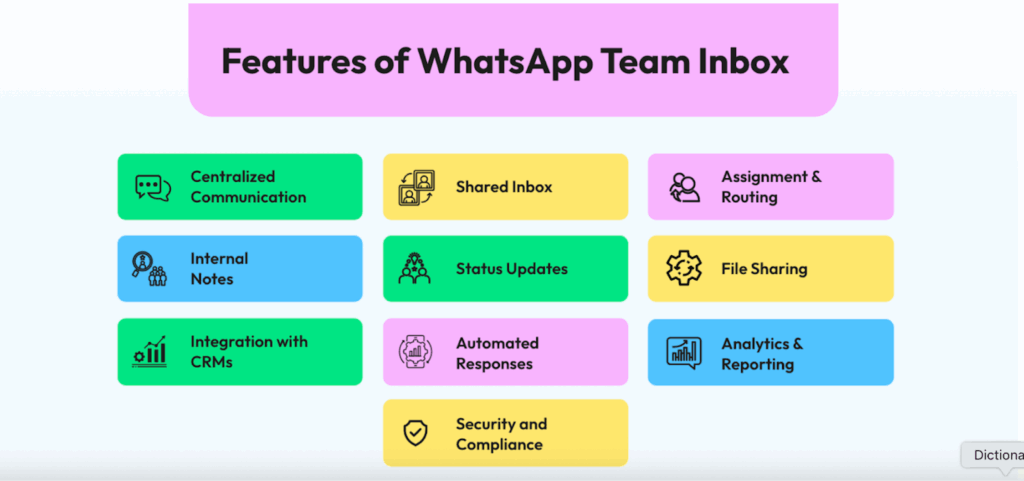
- Shared Team Inbox: Allows multiple agents to collaborate on technical queries simultaneously.
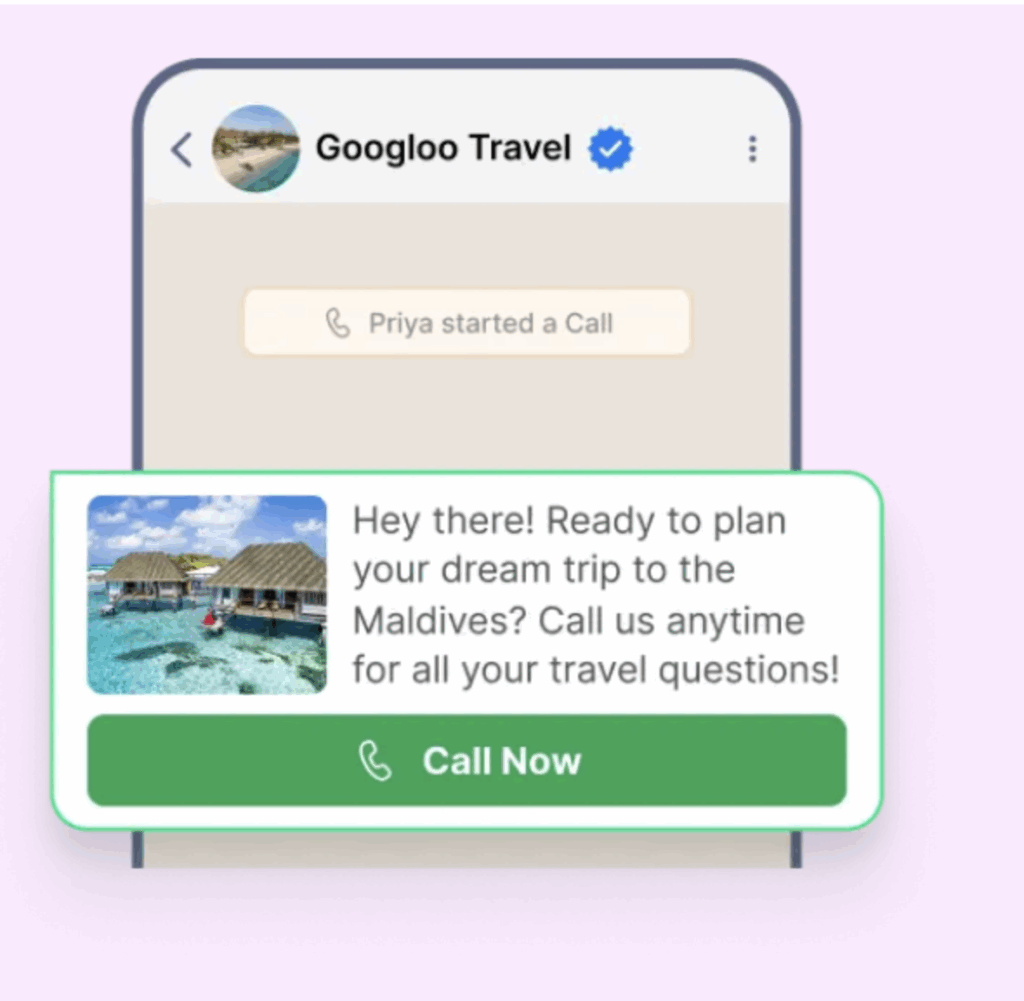
- WhatsApp Business Calling: Agents can switch from chat to a voice call within the same thread, ensuring a high-touch experience for premium or VIP clients during critical outages.
Learn more: How does WhatsApp voice calling help send effective customer nudges and follow-ups?
2. Marketing Automation
Wati enables you to run personalized WhatsApp Broadcast campaigns that feel human. You can also integrate SMS marketing into your campaign strategy to reach customers across different channels.
With SMS marketing, you can even target customers in denied and meta-restricted locations and build engagement to ensure a 100% delivery rate.
- Interactive Elements: Use buttons and carousels to showcase new product modules.
- Real-time Analytics: Track which messages drove the most “Feature Activations,” giving you a clear map of your marketing ROI.
3. Chatbot Automation
Wati combines the functionality of Gemini 3.0 with its existing AI support agent, Astra, to supercharge human conversational intelligence in chatbot interactions.
With AI support agents like Astra, you can route customer queries for instant resolution, provide the most effective contextual details, and even ensure 24/7 availability.
- 24/7 SDR: Astra discovers customer needs via chatbot interactions.
- Lead Qualification: It asks about budget and pain points, then pushes “Hot Leads” directly to your human sales team with full context attached.
4. CRM Integration
Wati offers native Bi-directional Sync with HubSpot, Salesforce, Shopify, and Zoho.
With the provision of native API integrations, you can sync customer data, automate actions, route chats intelligently, and keep every customer involved in the product journey.
CRM integration enables you to fetch details via WhatsApp API in real-time, access contact background, and make conversations more emotional and empathetic.
Also read: Wati’s HubSpot integration to supercharge sales strategy in 2026
Bonus read: How does Wati partner with Twilio to launch SMS delivery campaigns along with WhatsApp broadcasts?
How to Set Up Wati’s WhatsApp Business API for Your SaaS Brand in 2026?
With a BSP like Wati, you do not have to do any heavy lifting. Wati provides a guided flow to link your WhatsApp to Meta directly, without any third-party mediation.
Deploying a professional WhatsApp strategy requires more than just a phone number; it requires a verified business presence.
Following Wati’s official API access requirements, here is the streamlined roadmap for your SaaS stack. Here is how you can set up Wati for your SaaS brand.
1. Verification of Your Meta Business Manager
Before you can send high-volume broadcasts, your SaaS entity must be verified.
- Legal Identity: You must have a verified Meta Business Manager account that matches your legal business name and website domain.
- Approval Timeline: Once you submit your business license or GST certificates through Wati, Meta typically approves the account within 2–7 business days; it can take a couple of weeks, depending on Meta’s processing time.
2. Strategic Number Selection
Your number is your brand’s ID on WhatsApp.
- Clean Number Policy: You must use a phone number that is not currently active on a regular WhatsApp or WhatsApp Business App.
- Flexibility: Wati allows you to use landlines or VoIP numbers, which is ideal for CRM companies looking to maintain a professional corporate image.
3. Display Name and Branding Approval
Meta has strict guidelines for how your SaaS brand appears to users.
- Brand Consistency: Your WhatsApp display name must have a clear link to your legal entity and match the branding on your website.
- The Blue Tick: Once your API is active, Wati assists eligible businessesin applying for the Official Business Account (OBA) status, subject to Meta approval, which adds the “Green Tick” of trust next to your name.
4. Display Name and Branding Approval
For any business-initiated message (like onboarding or dunning alerts), you must use pre-approved templates.
- Categorization: Wati helps you classify templates into Marketing, Utility, or Authentication categories to ensure lower Meta fees and faster approval.
- Automation: Most templates are approved within 24 hours, allowing you to launch your re-engagement campaigns without technical bottlenecks.
5. API and Webhook Integration
This is where your SaaS backend “talks” to your users’ WhatsApp.
- Event-Driven Messaging: Connect your app via Wati’s webhooks to trigger messages based on real-time events, such as a user hitting a “Seat Limit” or a “Trial Ending” milestone.
- Security & Compliance: WhatsApp provides end-to-end encryption in transit, while Wati supports GDPR-aligned workflows when implemented with proper consent and data handling practices.
Prioritize Customer Growth and Scale With Wati
In 2026, if you are not trying your best to keep existing SaaS subscriptions intact, you cannot build a good average contract value (ACV), customer reputation, market presence, or revenue.
As a SaaS company, you need to ensure that the distance between your software and the user is a single tap. By switching to a WhatsApp Business API platform like Wati, you can trigger real-time messages, provide resolutions, and work fast to avoid any churn.
With a verified WhatsApp API, you aren’t just sending messages; you are building a relationship that scales engagement and agility.
See Wati live in action by booking a free demo.
Frequently Asked Questions: WhatsApp API for SaaS
Have more questions? Refer below.
WhatsApp targets “Silent Churn” by automating failed payment reminders (Dunning) and re-engaging users who haven’t reached their “Aha!” moment. Because WhatsApp has a 98% open rate, critical alerts like plan expirations or usage limit warnings are actually seen and acted upon, unlike emails that land in the “Promotions” tab.
The Cloud API is hosted by Meta and offers instant setup and high throughput (1,000 messages/sec), making it ideal for fast-scaling startups. The On-Premise API is managed by a BSP like Wati and is preferred by enterprises needing “white-glove” compliance support and managed server capacity. Both provide the same professional features when used via Wati.
Yes. Wati offers native bi-directional sync with major CRMs. This means every WhatsApp conversation is logged in your CRM automatically, and you can trigger WhatsApp messages directly based on CRM “deals” or “status changes,” ensuring your Sales and Success teams have full context.
For mid-market SaaS with high upfront costs, you can deploy Click-to-WhatsApp Ads (CTWA). Instead of sending prospects to a landing page where they might drop off, you initiate a 1-on-1 chat. This humanizes your brand, allows for instant technical Q&A, and builds the trust necessary to close annual contracts.
To go live, you need a verified Meta Business Manager account and a “clean” phone number (one not currently used on the WhatsApp app). Wati guides you through the process, including legal identity verification, display name approval, and applying for the “Green Tick” official business status.