

-

-
-
Solutions
-
Soluções
-
Soluciones
-
解决方案
-
解決方案
-
الحلول
-
Product
-
Produto
-
Producto
-
产品
-
產品
-
المنتج
-

-
-


 Wati for Marketing
 Wati for Support
 Wati for Sales
 eLearning
 E-commerce
 Marketing Agencies
 Healthcare
 No Code Chatbots
 AI Support Agent
 Instagram and Facebook messenger
 Click to WhatsApp ads
 Campaigns
 Team Inbox
 WhatsApp Business Calling
 Wati AI
 Overview
 Library
Why Brands That Talk Win: The Rise of Conversational Marketing in 2026
Written by:
 Rohan
|
on:
October 26, 2023
|
Last updated on:
February 27, 2026
|
Fact Checked by :
Rohan
|
on:
October 26, 2023
|
Last updated on:
February 27, 2026
|
Fact Checked by :
 Namitha
|
According to: Editorial Policies
Namitha
|
According to: Editorial Policies
 Table of Contents
Too Long? Read This First
- Conversational marketing is all about real-time, two-way communication that helps businesses connect with customers more personally and naturally.
- It uses tools like WhatsApp, chatbots, live chat, and social messaging to make every interaction feel instant, human, and relevant.
- Key traits include interactivity, personalization, scalability, and context, helping brands stay responsive and authentic at every touchpoint.
- The benefits of conversational marketing include stronger relationships, faster conversions, higher engagement, and lower support costs.
- Choosing the right conversational marketing platform matters, and if WhatsApp is one of your main channels, Wati makes it easy to automate, collaborate, and grow.
Your customers are talking. The question is: are you listening?
Conversations are at the heart of how humans connect.
Before you can think about selling a product and closing a deal, take a step back and see your customer as a human to have conversations with.
With effective conversational marketing, you brandyourself as a people-centric company, which leads to increased customer trust and loyalty.
Automating intelligent chats with conversational intelligence tools provides a quick solution, cuts response time, and improves engagement.
In this guide, we’ll explore how conversational marketing works, why it matters, and how it helps businesses engage, convert, and retain customers more effectively.
What is Conversational Marketing?
Conversational marketing focuses on building real-time, two-way interactions between businesses and customers.
It uses tools like chatbots, email, messaging apps like WhatsApp, and live chat to make every exchange feel natural and personal.
Instead of waiting for responses or forms, customers can ask questions, get recommendations, and even make purchases in the same conversation.
By meeting customers where they are and responding instantly, businesses can better understand their needs, nurture relationships, and guide them toward the right solutions. It’s marketing that feels less like a pitch and more like a conversation.
What Makes Conversational Marketing Effective?
Conversational marketing works because it feels natural. It mirrors how people actually talk: short, responsive, and in the moment.
Let’s look at the key traits that make it so effective.
1. Interactive by Nature
The best conversations happen when both sides participate. That’s what conversational marketing does; it encourages customers to engage on their own terms.
Instead of pushing promotions, it focuses on creating dialogue. This builds comfort, trust, and a stronger connection over time.
2. Deeply Personal
Every customer is different, and conversational marketing recognizes that. Whether it’s the timing, the tone, or the channel, each interaction adapts to the person behind the screen.
It’s about showing that you understand their needs and not just selling to them.
3. Scalable Yet Human
Businesses often worry that personalization doesn’t scale.
However, with WhatsApp chatbots, automation, and shared inboxes, you can have thousands of real-time conversations without losing the human touch. It’s where technology meets empathy.
4. Context-Driven
A great conversation never starts from scratch. Conversational marketing keeps track of what customers have said and done before, so every new interaction feels like a continuation, not a reset.
With this context, businesses can offer smarter, faster, and more relevant responses across every channel.
Why Use Conversational Marketing?
Businesses today compete not just on product or price, but on experience.
Customers expect quick answers, personal attention, and smooth interactions.
Conversational marketing delivers all three.
Builds Stronger Relationships
Instead of one-off transactions, conversational marketing helps create ongoing relationships. It shows customers that your brand listens, understands, and values their time.
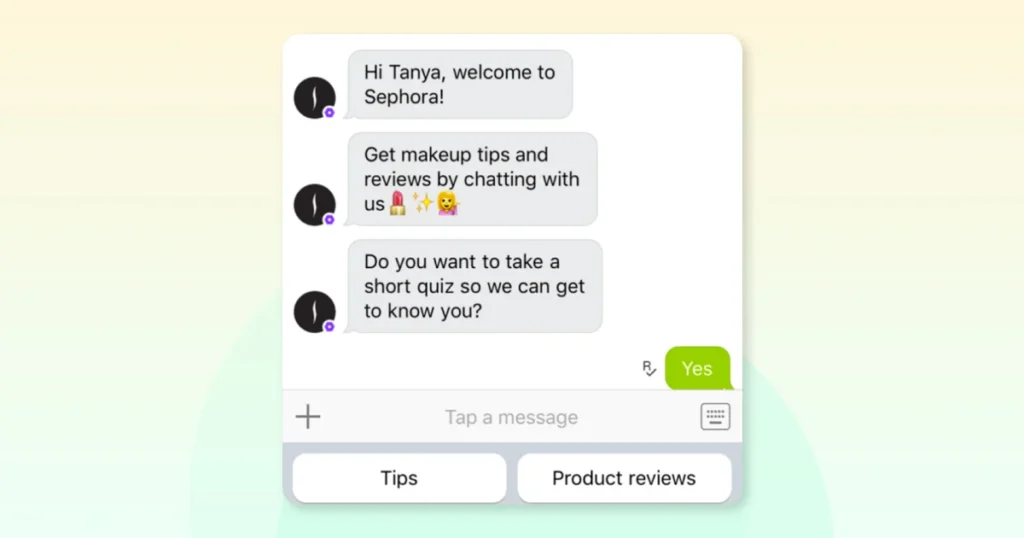
For example, Sephora uses chat-based beauty assistants on WhatsApp to offer product tips and follow-ups based on past purchases.
This personal touch keeps customers engaged long after checkout.
Accelerates the Buyer Journey
When customers can ask questions and get answers instantly, they move through the sales funnel faster.
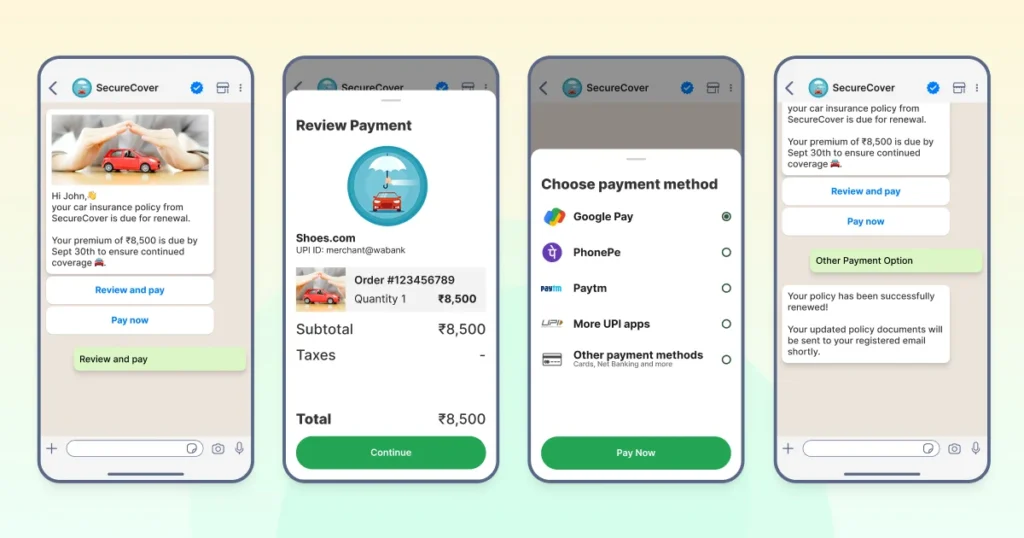
Fewer clicks, fewer forms, and a simple chat that leads to conversion.
Increases Engagement and Retention
Real-time conversations keep customers coming back.
Whether it’s solving a problem or sharing a new offer, staying accessible helps build loyalty and long-term trust.
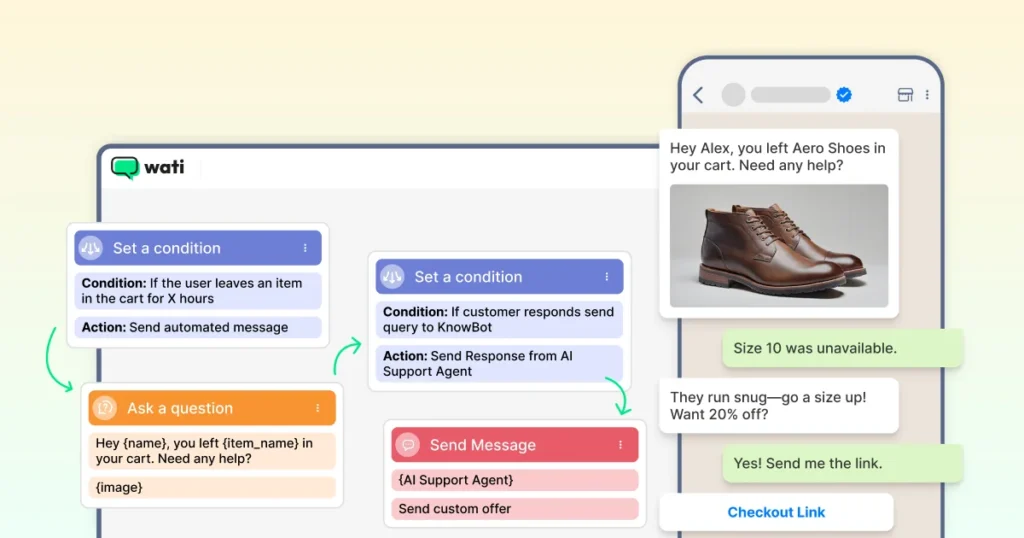
E-commerce brands like Bonkers Corner and BlissClub use WhatsApp to announce product drops, recover abandoned carts, and offer quick reorders.
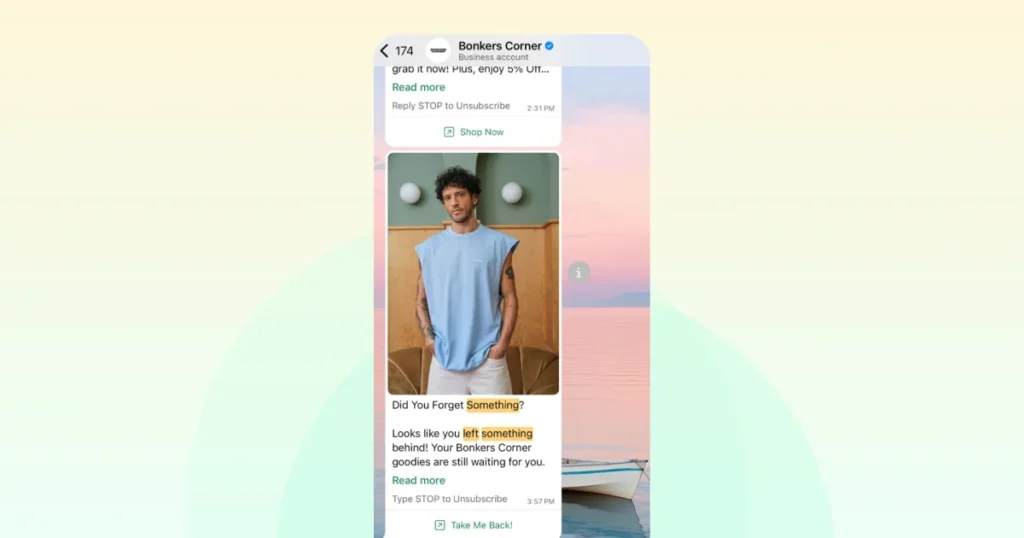
The result is higher repeat purchases and a community that actually talks back.
Improves Lead Quality and Sales
With instant insights from customer interactions, sales teams can identify qualified leads more easily and close deals faster.
Conversations often reveal what static forms can’t.
A B2B platform using a chatbot on LinkedIn or its website can prequalify leads by asking a few smart questions, saving time and helping reps focus on prospects that are ready to buy.
Reduces Support Costs
Automation and chatbots handle common questions, freeing up your team to focus on more complex tasks. You deliver faster responses while keeping costs under control.
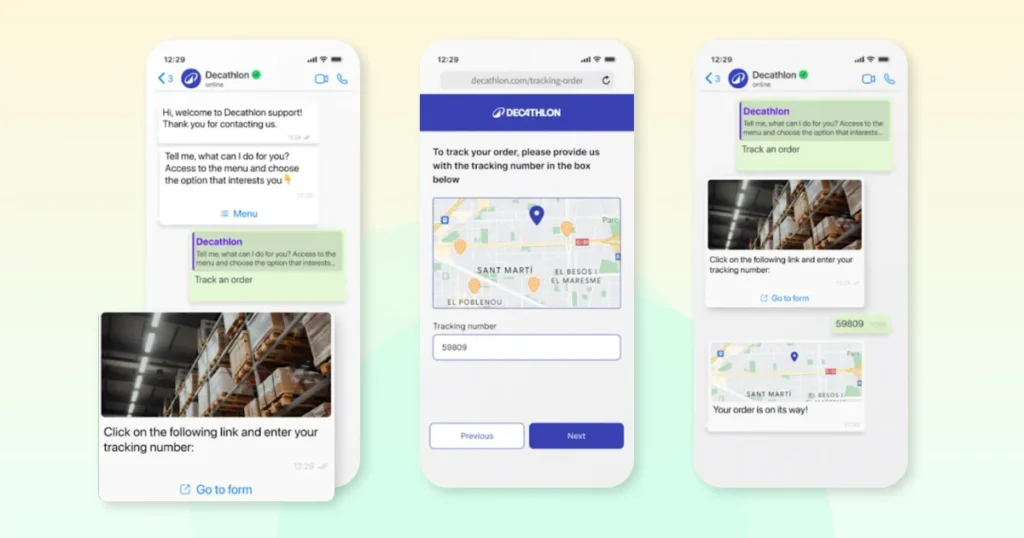
Retailers like Decathlon utilize WhatsApp chatbots to instantly share store details and product availability, reducing repetitive calls while improving response times. Plus, customers can also track their orders without inquiring again.
A Look at Conversational Marketing in Action
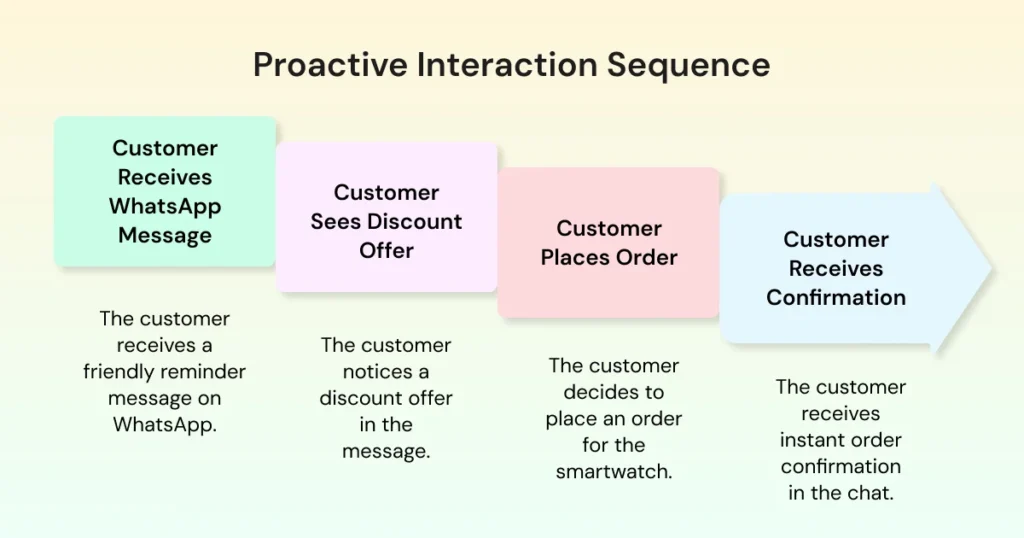
Imagine a customer scrolling through Instagram and spotting your brand’s new smartwatch. They tap “Message” to ask how long the battery lasts.
A quick auto-reply shares the details and asks if they’d like to see similar models. Within seconds, they’re browsing options right inside the chat. Later that day, they get a WhatsApp message from your verified business account, a friendly reminder with a small discount. They place the order and receive instant confirmation in the same chat.
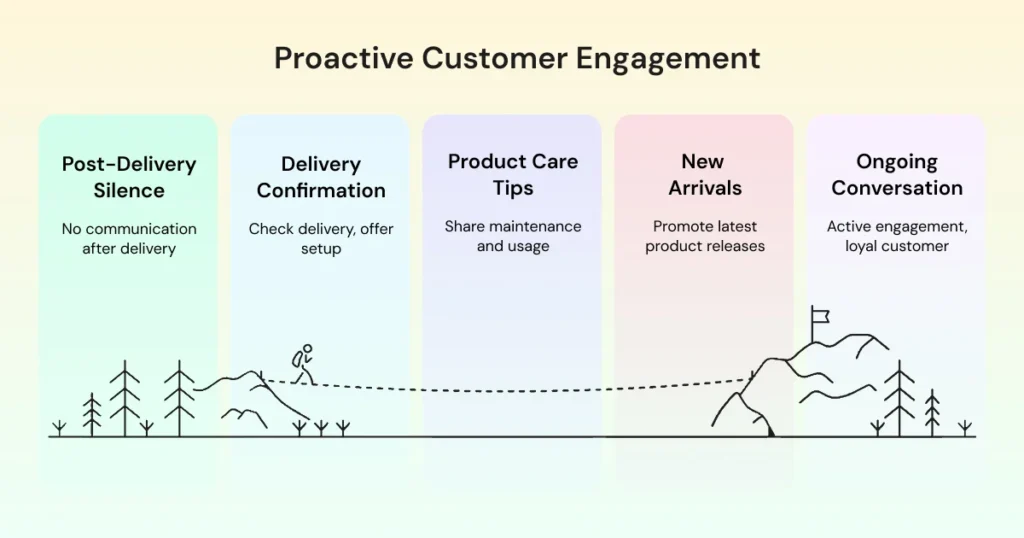
A few days later, you check in to confirm delivery and offer setup help. The same chat thread later shares product care tips and new arrivals, keeping the conversation alive.
Meanwhile, your CRM captures every interaction. Sales, marketing, and support all have the same context, so future conversations stay personal and seamless.
That’s conversational marketing: simple, real, and built entirely around how customers want to talk today.
The Go-To Platforms for Conversational Marketing
There’s no single platform that defines conversational marketing.
It’s about using the right mix of tools to meet customers where they already are and starting meaningful conversations that feel natural.
Read on to learn about some of the most effective channels businesses use today.
1. WhatsApp
WhatsApp has become a must-have for businesses that want instant, personal communication. With features like quick replies, catalogs, and broadcasts, it’s ideal for product recommendations, order updates, and customer support.
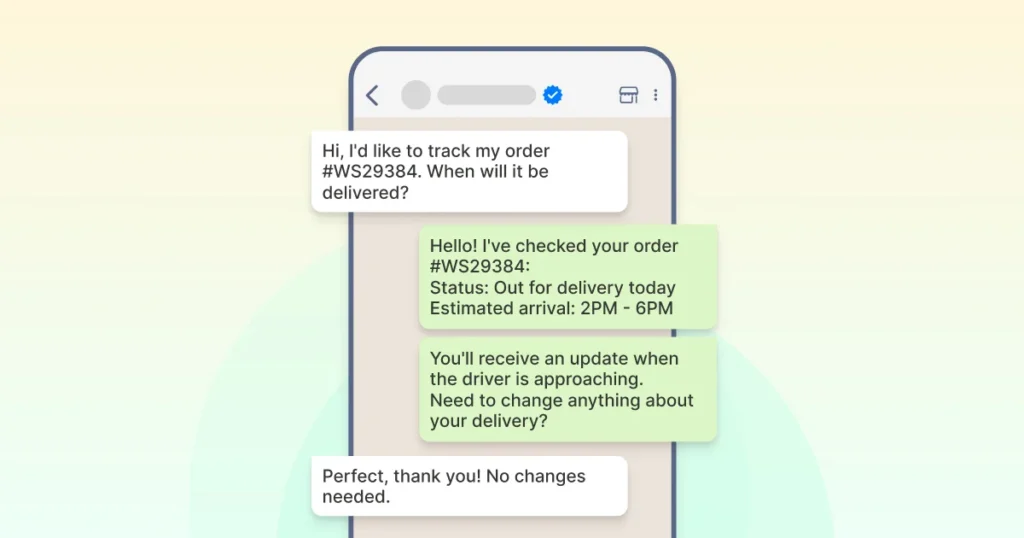
Paired with tools like Wati that run on the WhatsApp API, you can automate responses, segment audiences, and manage high-volume chats with ease.
2. Facebook Messenger
Still one of the most widely used chat platforms, Messenger lets brands run ad-to-chat campaigns, send reminders, and offer support instantly.
It’s especially useful for nurturing leads and building awareness through conversational ads.
3. Live Chat
Live chat remains one of the most effective website tools for conversion. It connects visitors with sales or support teams in real time, reducing bounce rates and improving trust.
When integrated with CRMs or WhatsApp, it can help track and continue conversations seamlessly.
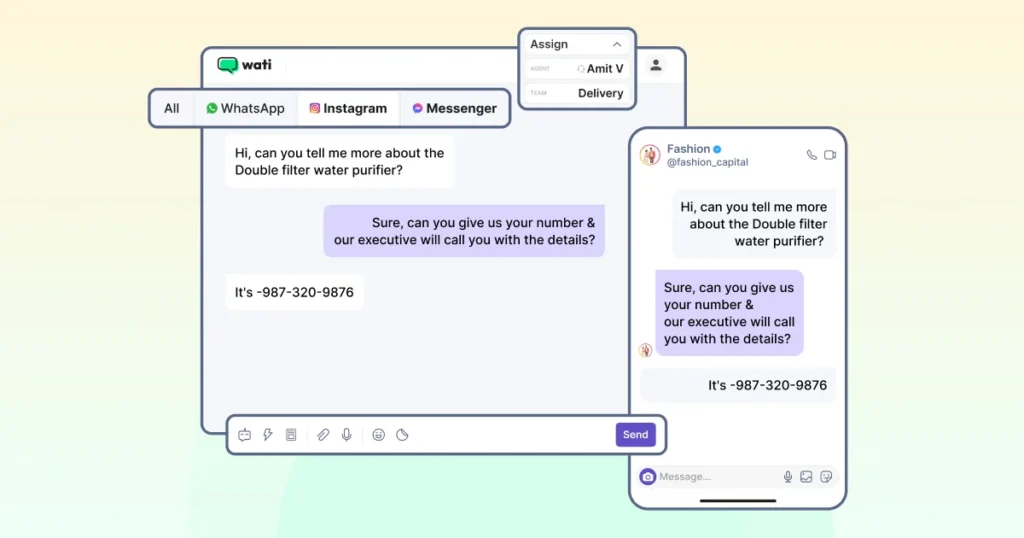
4. Instagram
Customers often discover brands on Instagram and want to talk right there.
Features like Instagram Direct and automated DM flows allow businesses to answer product questions, handle bookings, and even close sales without leaving the app.
5. Chatbots
AI chatbots are the backbone of conversational marketing at scale.
They handle FAQs, qualify leads, and guide customers through common workflows like booking demos or tracking orders.
6. SMS
Text messaging still delivers incredible open rates. Businesses use SMS for reminders, follow-ups, and post-purchase engagement.
It’s especially powerful when paired with chat links or WhatsApp opt-ins, turning a simple text into an interactive experience.
Also Read: SMS Marketing Tools vs WhatsApp Broadcasts: When to Use Each for Maximum Impact?
7. Email
Email might not seem “conversational,” but when written in a friendly, human tone and supported by automation that encourages replies, it can feel just as personal.
Think of it as the slower, more detailed counterpart to instant messaging.
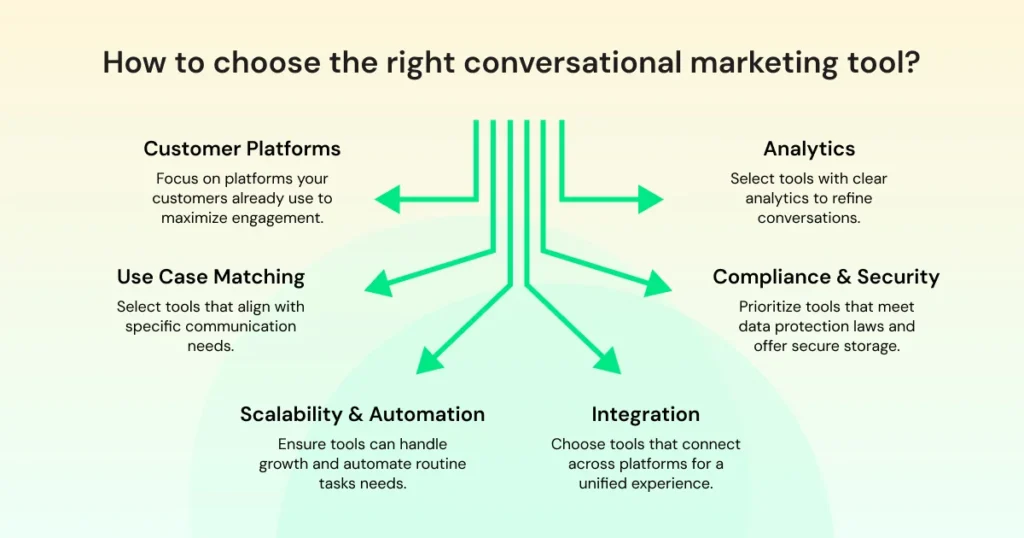
How to Choose the Right Conversational Marketing Tool
With so many options available, picking the right conversational marketing tool comes down to understanding your customers and your goals.
Not every channel fits every business, and that’s okay.
Here’s what to keep in mind before you decide.
1. Go Where Your Customers Are
Start with the platforms your customers already use. If your audience spends more time on WhatsApp or Instagram, focus on those platforms first. For B2B audiences, LinkedIn chatbots or live website chat may be more effective.
2. Match the Tool to Your Use Case
Different tools serve different purposes. WhatsApp is great for real-time conversations and order updates, while email works well for follow-ups or longer-form communication.
Live chat helps with instant support, and chatbots are perfect for automating routine queries.
3. Think About Scale and Automation
As your customer base grows, you’ll need tools that scale. Choose platforms that integrate automation, CRM sync, and shared inboxes.
This ensures your team can handle volume without losing the human touch.
4. Integrate, Don’t Isolate
The real power of conversational marketing comes from connecting tools together. Look for solutions that integrate across WhatsApp, Messenger, and your CRM so every chat, regardless of where it starts, feeds into one unified experience.
5. Keep Compliance and Security in Mind
Especially for businesses managing customer data, privacy matters.
Pick tools that follow GDPR or regional data protection laws and offer secure storage, verified sender IDs, and official API access.
6. Measure What Matters
Lastly, choose tools that offer clear analytics: message open rates, response times, conversion tracking, and customer satisfaction.
Insights help you refine your conversations and make them more effective over time.
Bringing Conversational Marketing to Life with Wati
Once you’ve identified the right tools for your conversational marketing strategy, WhatsApp naturally stands out as one of the most important channels.
When it comes to managing WhatsApp communication at scale, Wati is a trusted choice for businesses worldwide.
Built on the official WhatsApp Business API, Wati helps teams run marketing, sales, and customer support conversations from one unified inbox.
Whether you’re a growing e-commerce brand, a SaaS startup, or a service provider, it brings together automation, collaboration, and real-time engagement in a simple, scalable way.
With Wati, you can:
- Automate customer interactions using no-code chatbots that qualify leads, recover carts, or share product updates instantly.
- Collaborate seamlessly with shared team inboxes, internal notes, and agent routing, ensuring no customer query slips through.
- Integrate easily with tools like Shopify, HubSpot, and Google Sheets to sync data and manage workflows effortlessly.
- Run campaigns such as broadcast messages, product launches, or feedback requests.
- Track performance with message insights, campaign analytics, and customer history to refine communication and boost ROI.
Try conversational WhatsApp marketing with Wati by signing up for a free trial now.
Let’s Start the Conversation
At the end of the day, every great customer relationship begins with a simple chat. Conversational marketing isn’t about more messages. It’s about better ones.
It helps businesses listen, respond, and build real connections at scale.
Whether you’re engaging new leads, supporting loyal customers, or rethinking how your team communicates, the right conversation can make all the difference.
So start small, automate where it helps, and stay natural where it matters most.
If WhatsApp for conversational marketing is a part of your strategy, Wati can help you turn every message into an opportunity to connect and grow.
Schedule a free demo to try the best conversational marketing platform today.
FAQs
A conversational marketing platform is a tool that enables businesses to manage, automate, and analyze customer interactions across channels like WhatsApp, Instagram, and live chat. Platforms such as Wati make it easy for teams to handle large volumes of chats, use chatbots for automation, and deliver consistent communication at scale.
Conversational marketing with WhatsApp allows businesses to talk to customers directly on a channel they already trust. Brands can use a verified WhatsApp Business API platform like Wati to automate replies, send personalized offers, recover carts, or even share order updates.
A conversational marketing chatbot is an automated assistant that mimics human-like interactions. It can answer FAQs, qualify leads, schedule demos, or recommend products instantly. Using AI, it ensures customers always get quick and relevant responses.
Sure! An e-commerce brand using WhatsApp to help customers find the right product is a great example. A SaaS company using a chatbot to book demos or a retailer sending restock alerts through WhatsApp.
The benefits of conversational marketing go beyond faster replies. It helps businesses build stronger relationships, increase engagement, and boost conversions through personalized, real-time conversations. By using tools like WhatsApp or chatbots, brands can create seamless experiences that make customers feel heard.