

-

-
-
Solutions
-
Soluções
-
Soluciones
-
解决方案
-
解決方案
-
الحلول
-
Product
-
Produto
-
Producto
-
产品
-
產品
-
المنتج
-

-
-


 Wati for Marketing
 Wati for Support
 Wati for Sales
 eLearning
 E-commerce
 Marketing Agencies
 Healthcare
 No Code Chatbots
 WhatsApp Business API
 Instagram Automation
 Click to WhatsApp ads
 Campaigns
 Team Inbox
 WhatsApp Business Calling
 Wati AI
 Overview
 Library
 Agente de suporte de IA
Best 5 GupShup Alternatives for WhatsApp Marketing in 2026
Written by:
 Ashwin Suthanthiraraj
|
Last updated on:
February 27, 2026
|
Fact Checked by :
Ashwin Suthanthiraraj
|
Last updated on:
February 27, 2026
|
Fact Checked by :
 Namitha Sudhakar
|
According to: Editorial Policies
Namitha Sudhakar
|
According to: Editorial Policies
 Table of Contents
Too Long? Read This First
- Gupshup can feel too developer-centric or limited for businesses looking for easier WhatsApp automation.
- Wati tops the list for growing teams with no-code workflows, shared inbox, CRM integrations, and smart automation.
- ControlHippo stands out for shared inbox simplicity across messaging channels.
- ManyChat is strong for conversational marketing and lead generation automation.
- Qiscus offers omnichannel support with integrated live chat and helpdesk features, while Sinch caters to enterprise-level messaging at scale.
While Gupshup is a widely adopted business messaging platform, one size doesn’t fit all.
Companies deal with the usual problems: inconsistent customer support, developer-first architecture, high upfront cost, and limited UI-friendly integrations with Gupshup that strain their overall marketing strategy.
If you are looking for top Gupshup alternatives, you want faster setup, reliable support, and native CRM integrations that actually work.
Choosing an ideal WhatsApp Business API platform not only improves your customer engagement but also streamlines team communication and productivity.
Whether you’ve outgrown the Gupshup model or are simply searching for a new software, this guide on the top 5 Gupshup alternatives is your go-to. We’ve broken down every alternative in terms of features, pros and cons, and pricing for you to make the right decision. Let’s dive right in!
Comparing the Top 5 Gupshup Alternatives in 2026
These Gupshup alternatives offer greater flexibility, whether you’re focused on marketing, sales automation, or team collaboration.
1. Wati – The Best Gupshup Alternative for Growing Businesses
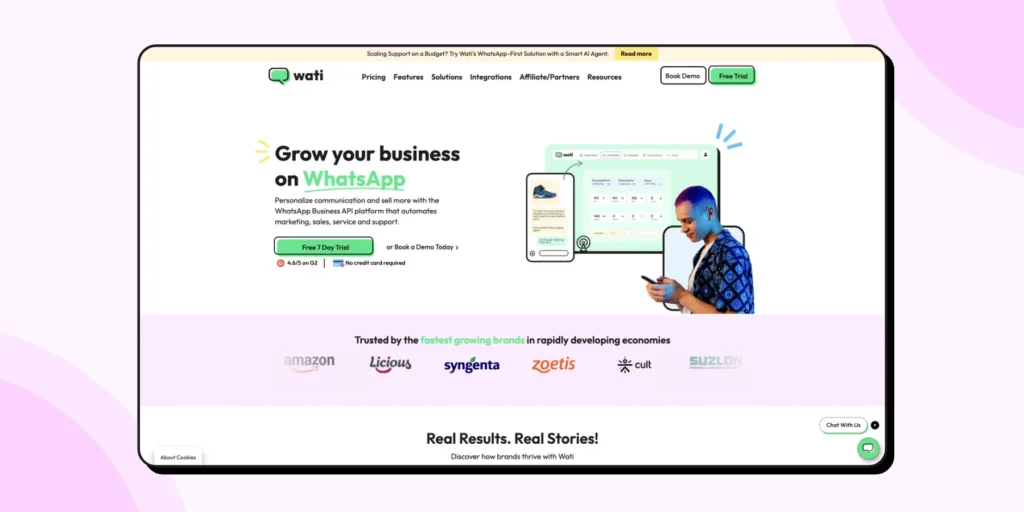
Wati is a purpose-built platform that eliminates the need for technical teams by offering a specialized interface for marketing and support. It is the most direct alternative for those who find Gupshup’s API-first approach too cumbersome.
Why Wati Tops the List:
- Broadcast Campaign Manager: Seamlessly segment and send high-volume campaigns with real-time status tracking.
- No-Code Workflow Builder: Create logic-based automation (e.g., if a customer clicks “Price,” send a PDF) without writing code.
- Official API Onboarding: Wati handles the complex Meta approval process, providing a “plug-and-play” experience.
- Shared team inbox: Teams can centralize sales support and track chat productivity across multiple agents in one dashboard.
- ROI-based analytics: Wati makes it easy to track replies, conversions, ROI and team performance to fine-tune marketing strategy.
- Legal opt-in tools: Wati provides an option to willingly seek “opt-in” permission from subscribers via pop-ups and forms.
- Integration automation: Wati provides integrations with HubSpot, Zoho, Salesforce, WooCommerce, and more to streamline data transfer.
Pros and Cons of Wati
Below are the pros and cons of Wati:
- Pros: It is exceptionally easy to set up, usually taking less than 24 hours to go live. The mobile app is highly rated, enabling agents to manage customer chats from anywhere.
- Cons: Personalization for D2C brands can feel limited compared to specialized CRM tools. Customer support is primarily handled via chat/email, which may be a hurdle for enterprises that require 1:1 phone support.
Wati Pricing
Wati provides a subscription-based pricing model for businesses. To learn more about WhatsApp API pricing, see our guide.
Here are the numerous plans:
- Growth Plan: Priced at Rs 2499/month for 3 users and additional per-messaging charges. Includes features like zero-fee WhatsApp setup, e-commerce tools, omnichannel inbox, and customer support.
- Pro Plan: Priced at Rs 5999/month for 5 users and additional users at Rs 1299 per month. Additional messages may incur additional charges. Used for auto lead qualification, conversion rate optimization, AI automation, and Shopify sales.
- Business: Priced at Rs 16999/month for 5 users and an additional user charge at Rs 3999 per month. Additional messages may incur additional charges. Features include: G official Google partner, ROI tracking, dedicated customer success manager, and 24×7 email and chat support.
Explore Wati – The #1 Gupshup Alternative
2. ControlHippo – Gupshup Alternative for Shared Inbox Simplicity
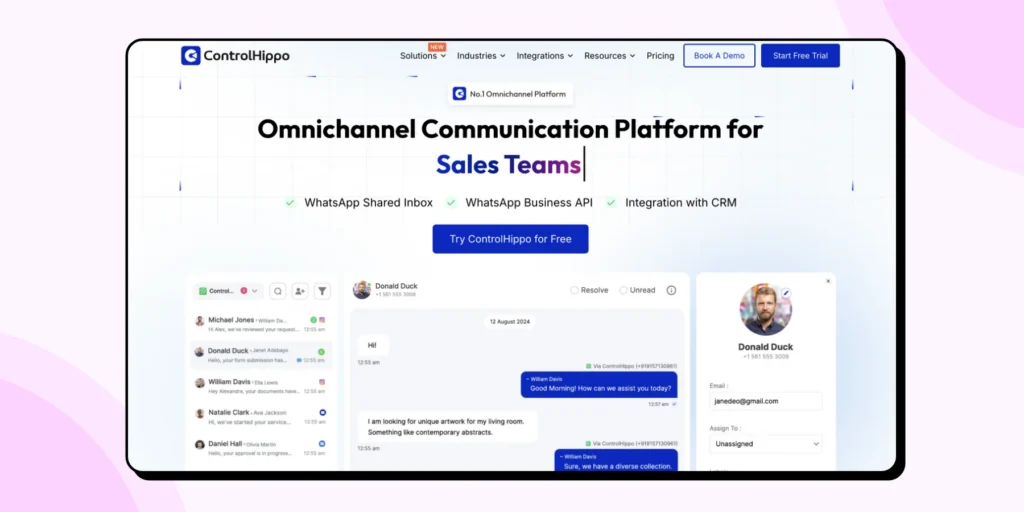
ControlHippo is a “Unified Inbox” leader, ideal for businesses that aren’t just looking for a Gupshup alternative but want to consolidate WhatsApp, Telegram, and Instagram into one window.
Pros and Cons of ControlHippo
- Pros: It is arguably the most cost-effective solution for multi-agent teams. Its interface is designed to mimic a traditional inbox, requiring almost zero training for new hires.
- Cons: While great for “human-to-human” chat, its advanced AI automation capabilities are slightly less mature than competitors like ManyChat.
ControlHippo Pricing
ControlHippo offers a Bronze Plan at $20/user/month. They also provide a 10-day free trial, allowing teams to test the “Multi-Chat Mastery” before committing.
Best for: Teams needing a shared inbox with light automation.
3. ManyChat – Gupshup Alternative for Conversational Marketing
ManyChat is the definitive choice for marketing-heavy brands looking to build “Sales Funnels” on WhatsApp. It focuses on turning conversations into conversions through interactive elements.
Features of ManyChat
- Visual Flow Builder: A market-leading drag-and-drop canvas for building complex bot journeys.
- Growth Tools: Unique “Click-to-WhatsApp” ad tracking and “Comment-to-DM” triggers that pull users from social media into your WhatsApp funnel.
- AI Intents: Uses basic NLP to understand when a user is asking for “Help” versus “Pricing” without needing exact keyword matches.
- API integration: Integrates with Shopify, Google Sheets, or Mailchimp to build in-depth lead funnels.
- Broadcast flows: Personalizes marketing broadcasts according to WhatsApp conversations (via API partners)
Pros and Cons of ManyChat
- Pros: The sheer quantity of templates and tutorials makes it the easiest platform to “self-serve.” It is a powerhouse for lead generation and automated sales.
- Cons: Pricing can become unpredictable because it scales based on the number of contacts in your database, not just active users.
Manychat Pricing
ManyChat offers a Free Plan for up to 1,000 contacts (with limited features). The Pro Plan starts at $15/month and increases as your contact list grows. Meta’s conversation fees are billed separately.
Best for: Businesses focused on interactive marketing with lead generation.
4. Qiscus – Southeast Asia’s Gupshup Alternative for Omnichannel Support
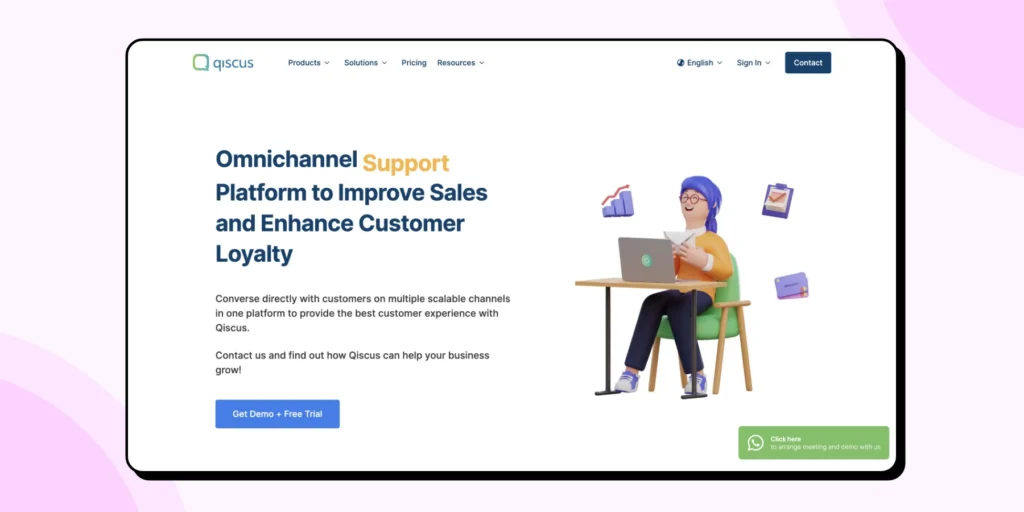
Qiscus is a robust, enterprise-grade alternative that bridges the gap between Gupshup’s power and a modern UI. It is particularly strong for businesses in the SE Asia market.
Top Features of Qiscus
- WhatsApp Voice and Video Support via WebRTC: One of the few providers that natively supports inbound and outbound voice calls through the WhatsApp Business API.
- Agent Copilot: An AI-assisted tool that suggests the best response to agents based on your company’s knowledge base.
- Advanced Analytics: Provides granular data on “Agent Response Time” and “Resolution Rates” for large-scale call centers.
- Live chat + ticketing: Offers real-time customer support and query escalation to ensure no tickets are missed.
- CRM and Helpdesk integration: Integrates with native tools like CRM and helpdesk tools to scale customer support, build lead profiles, and so on.
Pros and Cons of Qiscus
- Pros: It is highly stable under heavy loads (millions of messages) and offers superior API documentation for companies that still want to build custom integrations.
- Cons: The startup costs are higher than “SaaS-only” models, and the interface has a slightly steeper learning curve for non-technical admin
Qiscus Pricing
Qiscus generally follows a structured enterprise model. The Startup Plan begins at $115/month, moving to $270/month for the Grow Plan. They charge a small platform markup of approximately $0.0045 per marketing message.
Best for: Regional businesses in Southeast Asia needing omnichannel conversations.
5. Sinch – Enterprise-Level Gupshup Competitor
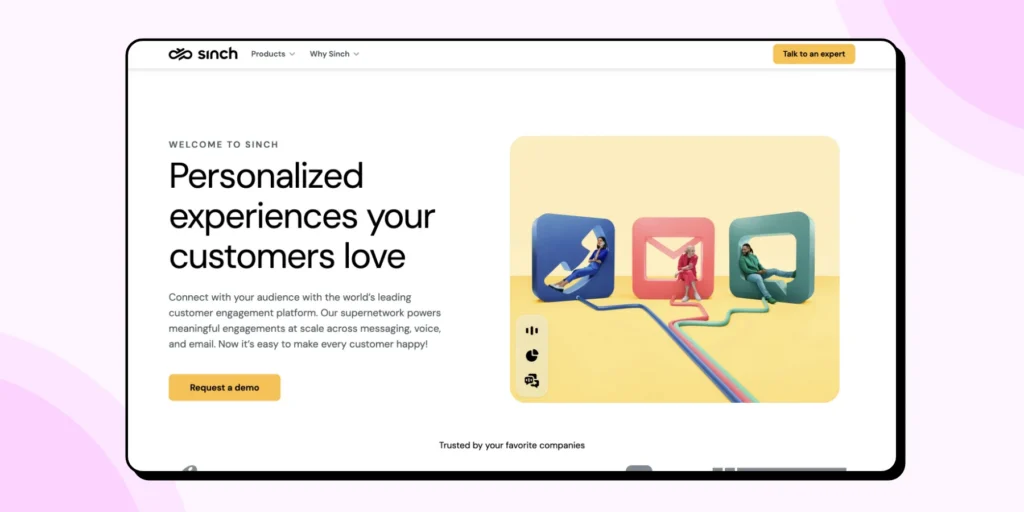
Sinch provides messaging APIs at scale, ideal for enterprises that need global delivery, security, and uptime.
The tool is part of a global communications giant, making it the “safest” choice for large brands that need 100% reliability and global compliance (GDPR/TCPA).
Top Features of Sinch for Enterprises
- Omnichannel Broadcasts: Send a campaign via WhatsApp, but automatically “failover” to SMS, RCS, voice and email if the user doesn’t have data, ensuring 100% reach.
- White-Glove Onboarding: High-tier plans include a dedicated account manager to help with “Green Tick” verification.
- Secure Authentication: Specialized infrastructure for sending OTPs and sensitive account alerts via WhatsApp.
- Developer-friendly docs: Teams can easily install it without developer downtime, thanks to clear API documentation.
- Real-time delivery report: Ensure you get your delivery reports on time to keep a consistent track of marketing campaigns and reduce failure opportunities.
Pros and Cons of Sinch
Below are the pros and cons of Sinch:
- Pros: You are working with a Tier-1 provider, meaning higher deliverability rates than smaller aggregators. Their support is available 24/7 in multiple languages.
- Cons: The pricing is not as “budget-friendly” for tiny startups. It is designed for businesses that value security and scale over the absolute lowest price.
Sinch Pricing
Plans typically start around $49/month for the Basic tier. For enterprise needs, they offer custom “Pay-as-you-go” models where costs are negotiated based on monthly message volume.
Best for: Enterprises that need highly scalable CPaaS infrastructure.
Quick Comparison – Top Gupshup Alternatives
Below is the comparison of the top 5 Gupshup alternatives discussed so far in terms of strengths, limitations, and features.
| Platform | Best For | Strengths | Limitations |
| Wati | Customer Support | No-code bot builder; shared team inbox; fast setup. | Limited to WhatsApp only. |
| ControlHippo | Multi-Agent Sales | Unified inbox for multiple numbers; easy CRM sync. | Basic automation features. |
| ManyChat | Lead Generation | Visual flow builder; high-converting marketing bots. | Contact-based pricing. |
| Qiscus | High-Volume Support | Supports WhatsApp voice calls; strong AI agent help. | Complex for smaller teams. |
| Sinch | Secure Messaging | Global scale; automatic SMS failover for alerts. | Requires developer effort. |
Top GupShup Alternative Recommendations for 2026
Choose the following tools for the following use cases:
- Wati: For WhatsApp-focused businesses scaling across support, sales, and marketing
- ControlHippo: For shared inbox simplicity across platforms
- ManyChat: For marketing-first bot automation
- Qiscus: For omnichannel support in Southeast Asia
- Sinch: For enterprises with complex global messaging needs
Final Thoughts: Choosing a Gupshup Alternative That Fits
Gupshup is powerful, but for teams that prioritize communication stability, these 5 alternatives are suitable.
Deciding which Gupshup alternative is the right fit for your business depends on your business scale, marketing budget, tech infrastructure, and developer hiring processes.
Choosing the best Gupshup alternative will not only address your current challenges but also meet your automation standards and conversion speed requirements.
We hope this list of Gupshup alternatives was of any help! For a quick sneak peek, you can register for a free demo and explore WhatsApp marketing.
FAQs on GupShup Alternatives
Businesses often explore Gupshup alternatives for better usability, pricing flexibility, customer support, or more advanced automation features.
Most Gupshup alternatives provide access to the WhatsApp Business API along with tools for automation, broadcasts, and customer support.
Look at factors like ease of setup, automation capabilities, compliance support, integrations, pricing, and quality of customer support.
Yes, many Gupshup alternatives are designed for SMBs and growing teams, offering simpler onboarding and scalable messaging tools.