
Hey there, savvy business owner! Ready to dive into the world of affiliate marketing and don’t know where to start? You’re in the right place! In 2025, it will be all about intelligent moves, and one of the smartest moves is tapping into extra revenue without the heavy lifting.
Imagine earning from products and services without even breaking a sweat! Too good to be true? Nope, it’s all possible! Stick with us, and we’ll walk you through the easy-peasy roadmap of affiliate marketing. Say goodbye to the jargon, confusion and hello to a nifty income stream.
Let’s make your business dreams a breeze this year!
What is Affiliate Marketing?

You’re in the business world, and now you’re eyeing the opportunities of affiliate marketing, both for your business and to make some extra cash by promoting other people’s products. No problem; we’ve got you covered on both fronts!
Firstly, as a business owner, affiliate marketing is your golden ticket to getting more customers without the headache of expensive advertising. Picture this: people out there (your affiliates) will do the marketing for you, and you only pay them a piece of the pie when they bring in a sale. It’s a win-win because you save on advertising, and you gain from their reach and their unique ways of connecting with customers.
Now, on the flip side, you can be the one helping to sell other people’s products. You find products you like or believe in, something that complements your business, and promote them. Each time someone buys through your recommendation (usually tracked through a special link you share), you get paid a commission. So, you’re not just expanding your business but also making money from others’ products.

In both cases, you’re building relationships, expanding your networks, and opening up new income streams with minimal risk. It’s all about sharing and benefiting from a larger community. Easy concept with loads of potential!
Also Read: How to become a Wati Affiliate to boost your income?
How Does Affiliate Marketing Work?
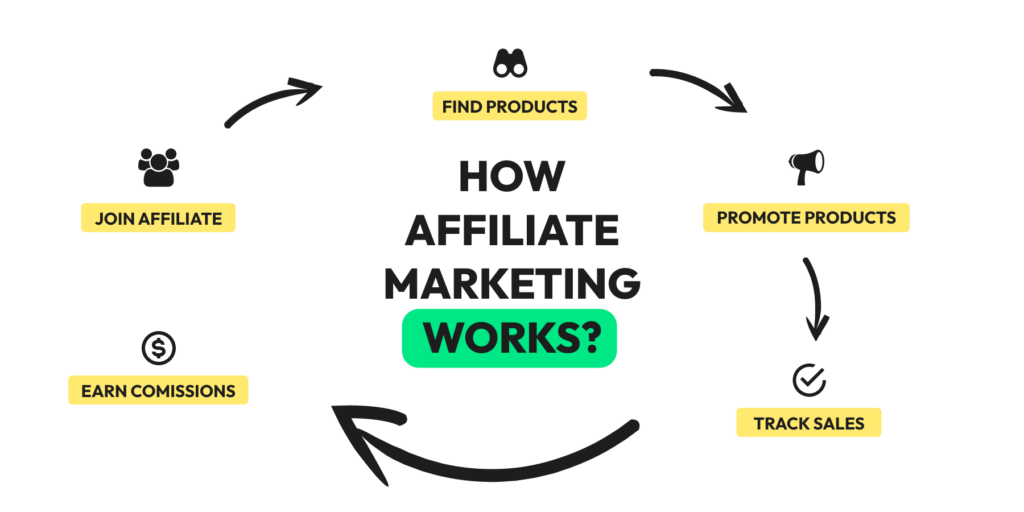
Picture affiliate marketing as a partnership. But instead of splitting profits at the end of the day, you share them every time you help each other make a sale. Whether you’re a business owner wanting to sell more products or someone hoping to make money by promoting products you love, here’s how it works:
Find a Partner:
As a business owner, you want to sell more of your awesome stuff. As someone who wants to promote products (an affiliate), you’re looking for something great to share that fits your style or audience. The match? A business owner finds an affiliate who loves what they’re selling, or an affiliate finds a business whose products they believe in.
Share a Special Link:
Now, business owners, you give your new affiliate friend a unique link to your product, which tells you exactly who sent the customers to your virtual doorstep. Affiliates, you share this link far and wide because when someone uses it to buy something, you get a piece of that sale!
Promote, Promote, Promote:
Here’s where affiliates get creative. They’ll share the product on social media, maybe write about it on their blog, or send out an email to folks they know would be interested. They’re not just saying, “hey, buy this,” but more like, “hey, I found this amazing thing, and you’ve got to check it out!”
Making Money:
Here comes the exciting part! A customer loves what they see, clicks on the affiliate’s link, and buys the product. The business makes a sale, the affiliate gets a commission, and the customer gets what they wanted. Everyone’s happy!
Track and Pay:
Behind the scenes, the business tracks sales from the affiliate’s link and pays them their share. This could be a set amount or a percentage of the sale, but the key is, it’s only paid once the customer buys.
So, whether you’re boosting sales for your business or earning as an affiliate, it’s all about teamwork. You support each other, help your customers find cool stuff, and everybody gets a slice of the success pie. Simple, right?

Types of Affiliate Marketing
Whether you’re looking to grow your business or eye the chance to make money by promoting products, knowing the different types of affiliate marketing is key. Think of these as the various paths you can take in your affiliate journey, each with its style. Here we go:
Unattached Affiliate Marketing:
Picture this as being a bit of a lone ranger. You don’t need to be an expert or have a big following. Instead, you use paid advertising to promote products with your affiliate links. It’s like putting up digital billboards online, hoping folks will click and buy. Remember, you’re spending money on ads here, so it’s a bit of a gamble, but it can pay off big if you’re savvy.
Related Affiliate Marketing:
Now, this is for you if you’ve already got a business or a blog about something you love. Let’s say you’re a fitness coach. You can promote products related to what you’re already doing (think health supplements or workout gear). You’re not creating these products, but you’re sharing them because they’re a perfect match for your audience. It’s genuine, and your followers will appreciate that.
Involved Affiliate Marketing:
This is getting serious about being an affiliate. You’re not just throwing links at your audience; you’re personally vouching for the products. Because you’ve used them, you love them, and you’re putting your reputation on the line for them. You create in-depth reviews, share personal experiences, or demonstrate the products in action. It’s a lot of effort, but your audience trusts you more, and that can mean more sales.
Each type requires different levels of commitment and expertise. You could start with one that suits what you’re doing now and explore the others as you get the hang of it. The choice depends on what fits best with your current situation and where you see the most potential for your business or personal goals.
Pros & Cons of Affiliate Marketing
Whether you’re a business owner or thinking of making some cash as an affiliate, here’s the lowdown to help you decide if it’s your kind of ride:
The Pros: The Sunny Side of Things
Low Starting Costs: You don’t need a fortune to start. Aspiring affiliates, you can begin with zero cash, just your social media or blog, and a knack for convincing your friends to click on links. Business owners, you pay nothing until your product sells. Pretty neat, huh?
Extra Income (Passive, If You’re Lucky): Affiliates, imagine earning money while you sleep because you posted a product review a month ago. And business owners, this is all about more sales without you having to knock on doors.
No Need for a New Product: You’re sharing stuff that already exists and is awesome. So, you save on the brainpower and hassle of coming up with a brand-new thing to sell.
Work from Anywhere: As long as you have the internet, you’re in business. Talk about freedom!
The Cons: A Few Clouds on the Horizon
It Can Be Competitive: You’re not the only one with a smart idea. Many people are promoting the same products. You’ll need to find a way to stand out.
Unpredictable Income: Some months, the clicks and commissions might be pouring in; other times, it might be a drought. If you’re an affiliate, this isn’t your steady paycheck kind of gig.
You Depend on Others: Affiliates, you rely on the company to pay your commissions right and on time. Business owners, you’re trusting someone else with your brand’s reputation. That’s a lot of trust.
Risk of Scams: This world has its shady corners. You might run into companies that don’t pay what they promise or affiliates that use dodgy methods to get sales.
Consider these pros and cons, weigh them against what you want for your business or income, and decide if you’re up for the journey.
Ways to Earn Money as an Affiliate Marketer
“How do I get a piece of that money-making pie?”
Whether you’re a business owner exploring new revenue avenues or you’re all set to dive in as a new affiliate, here’s the scoop on how you can start filling your pockets:
Pay-Per-Sale:
This one’s the classic route. You find a cool product, you sign up as an affiliate, and you get a special link (that’s your money-maker!). You put this link out there to the world — maybe on your blog, in an email newsletter, or on your social media. Someone clicks on it, makes a purchase, and cha-ching! You get a percentage of that sale. The more folks buy, the merrier your bank account gets.
Pay-Per-Click:
Okay, with this one, you’re focusing on getting people to click your link and head to the merchant’s site. They don’t have to buy anything; the golden moment is the click! It’s like you’re a digital tour guide showing people where to go, and you get a little tip for every person you send the right way.
Pay-Per-Lead:
Think of this as a matchmaking service. Your job is to introduce a company to potential new clients. You share a link, and if someone not only clicks but also fills out a form, signs up for a trial, or subscribes to a newsletter — bingo, you’ve made a match! And your reward is a commission for each successful setup.
For business owners, here’s the kicker: you can be on both sides of the fence. While you have affiliates selling your stuff, you can become an affiliate for other products. It’s a smart move, especially if those products complement what your business offers. For example, if you sell fitness equipment, why not promote health supplements too?
Remember, the key to raking in the money is knowing your audience. Share products you truly believe in, and your sincerity will shine through. People can tell when you’re passionate, and that trust can turn clicks into cash.
How to Promote Your Affiliate Program Offer:
Know Your Audience Like Your Best Buddy: Think about who you’re talking to. What do they like? What problems do they have that your offer can solve? When you know your audience, you can talk to them in a way that really clicks.
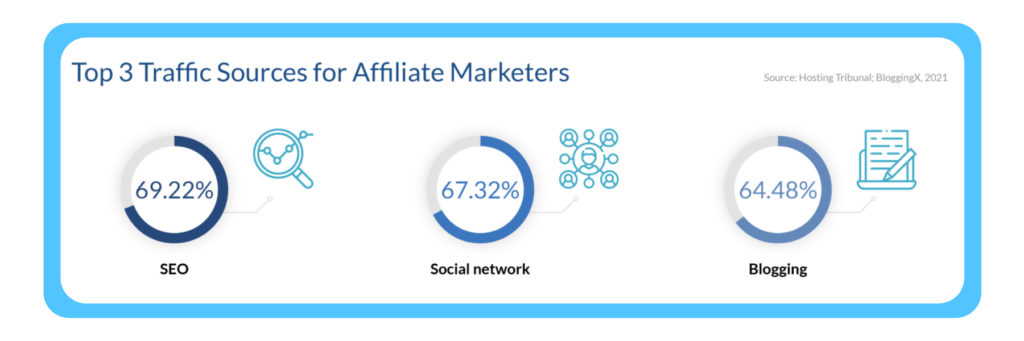
Use Social Media to Your Advantage: Don’t be shy! Use Facebook, Twitter, Instagram, or whatever platform where your friends and followers hang out. Share your affiliate links there (in a non-spammy way, of course). You can post reviews, stories, or a simple “Hey, check this out!” recommendation.
Blogging Isn’t Dead: If you have a blog, or even better, if you’re willing to start one, this is a great place to share detailed stories or reviews. Tell about your personal experience with the product. Remember, stories sell!
Emails Can Be Gold: Got an email list? Send out a friendly note about your offer. Maybe share a story about how this product helped you or someone you know. Keep it accurate, though; nobody likes emails that feel like they’re just trying to sell something.
Videos Are Worth a Thousand Words: If you’re comfortable in front of a camera, make a video! It could be you talking, a tutorial, or a product review. Seeing a real person can make folks more likely to trust your recommendation.
Honesty is the Best Policy: Only promote products you believe in. If you wouldn’t recommend it to your best friend, don’t recommend it to your audience. People can smell a fake a mile away.
Keep It Fresh: Stay updated with the products you’re promoting. Offers change, and new features get added. You don’t want to miss out on anything that could make a more appealing pitch to your audience.
Patience, Patience, Patience: Here’s the deal – success won’t happen overnight. It takes time to build trust with your audience. But keep at it, stay consistent in your efforts, and the results will start to show.
Wrapping It Up
And there you have it! You’ve just navigated the ins and outs of affiliate marketing, and guess what? It’s not as complicated as it seems, right? Whether you’re the boss of your own company looking to branch out or you’re gearing up to make your mark in the affiliate world, you’re ready to dive in!
Remember, it’s all about connections — linking the right folks with the right products. You’ve got a unique voice, a perspective that can guide people to make choices they’ll be happy with. And the best part? You can earn a pretty penny along the way. It’s a win-win!
Don’t forget, honesty and patience are your best friends on this journey. Stay true to what you believe in, keep plugging away, and don’t be afraid to try new things. The affiliate marketing world is vast and ever-changing, but that’s what makes it exciting!
So, what are you waiting for? It’s time to step into the spotlight, share your passion, and get the ball rolling on your new adventure. Here’s to making your affiliate marketing dreams come true in 2025! Cheers!
Frequently Asked Questions
1. What exactly is affiliate marketing?
Think of affiliate marketing as you being the bridge between people and products. You recommend products/services to folks (like your followers or email list), and when they buy something through your link, you get a commission. It’s all about sharing things you love and earning some cash when others love them too!
2. Do I need a lot of money to start with affiliate marketing?
Nope! One of the beauties of affiliate marketing is its low startup cost. You can kick off without a big budget. Most affiliate programs are free to join, and you can use social media or free blogging platforms to spread the word. Just remember, as with any business, having a little money to invest might help you grow faster, but don’t sweat it if you’re starting with zero.
3. How do I find products to promote?
Start with what you know and love. If there’s a product you’re crazy about, check if they have an affiliate program. You can also join affiliate networks that connect you with brands looking for promoters. Just be sure you trust the products you’re linking to; your reputation’s on the line!
4. How much money can I make?
Ah, the golden question! This varies A LOT. Some folks make pocket change, while others make enough to ditch their 9-5 jobs. It depends on factors like how many people you reach, how much the product costs, and the commission rate. And of course, how much effort you’re putting in.
5. How do I get paid?
Most affiliate programs pay through bank transfers, PayPal, or sometimes even a check in the mail. You’ll usually get paid once you reach a certain amount of commission. Make sure you understand a program’s payment system before you dive in, so you know when to expect your hard-earned cash.
6. Can I do affiliate marketing without a website?
Absolutely! While having a website can help, you can also use social media platforms, YouTube, email newsletters, or even podcasts to share your affiliate links. Wherever you can connect with people, you can try affiliate marketing.
7. Is affiliate marketing legal and ethical?
Yes, if you do it right. It’s legal, but you must disclose that you’re using affiliate links to your audience. As for ethical, it’s on you to promote products responsibly and honestly. No tricking people into buying stuff!
8. How long will it take to make money from affiliate marketing?
Patience, grasshopper! It might take several months to start seeing significant income. Affiliate marketing isn’t a get-rich-quick scheme but rather a way to create a steady income over time. Keep building your audience, stay consistent, and don’t give up too soon.
Related posts
- WhatsApp Affiliate Content: How To Launch High-Converting Campaigns (2026 Guide)
In today’s digital age, leveraging WhatsApp for affiliate marketing can be a game-changer. This blog delves into the art of crafting compelling content that resonates with your audience on WhatsApp. Discover why WhatsApp is a powerful tool for affiliate marketing and learn best practices for creating engaging messages that drive conversions. From promoting affiliate products to building trust and maintaining engagement, this guide offers practical tips and real-life examples to help you succeed in your affiliate marketing journey. Dive in and transform your WhatsApp marketing strategy today!
- How to Increase Your Affiliate Marketing Conversion Rate in 2026?
Boost your 2025 affiliate marketing efforts with proven techniques to enhance conversion rates and maximize earnings.
- How to Become a Wati Affiliate to Boost Your Income?
In today’s fast-paced world, you’re likely looking for fresh ways to connect with others and grow your reach. There’s a strategy called affiliate marketing that will give you a fantastic chance to strike gold. But why affiliate marketing, you might ask? It’s because it benefits both companies and people like you. Businesses like ours can …
- WhatsApp Affiliate Campaigns: Using WhatsApp Business API for Your Personalized Marketing-Part 2
In Part 2 of our series on WhatsApp Affiliate Campaigns, discover how to leverage the WhatsApp Business API for personalized marketing. Learn advanced strategies to enhance your affiliate campaigns and boost revenue through targeted communication.