How Ruuby Scaled Beauty Bookings with WhatsApp Automation | Wati

How Ruuby Drives Engagement Across the Entire Customer Lifecycle on Wati
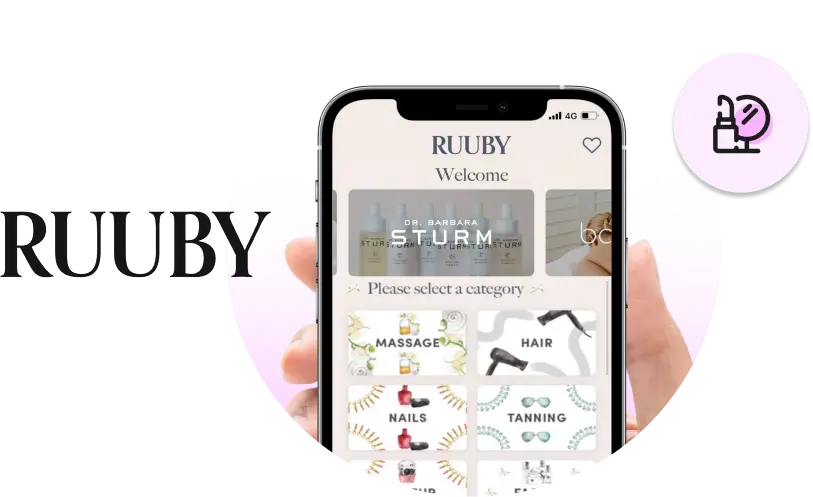
About Ruuby: Premier at-home Beauty Services
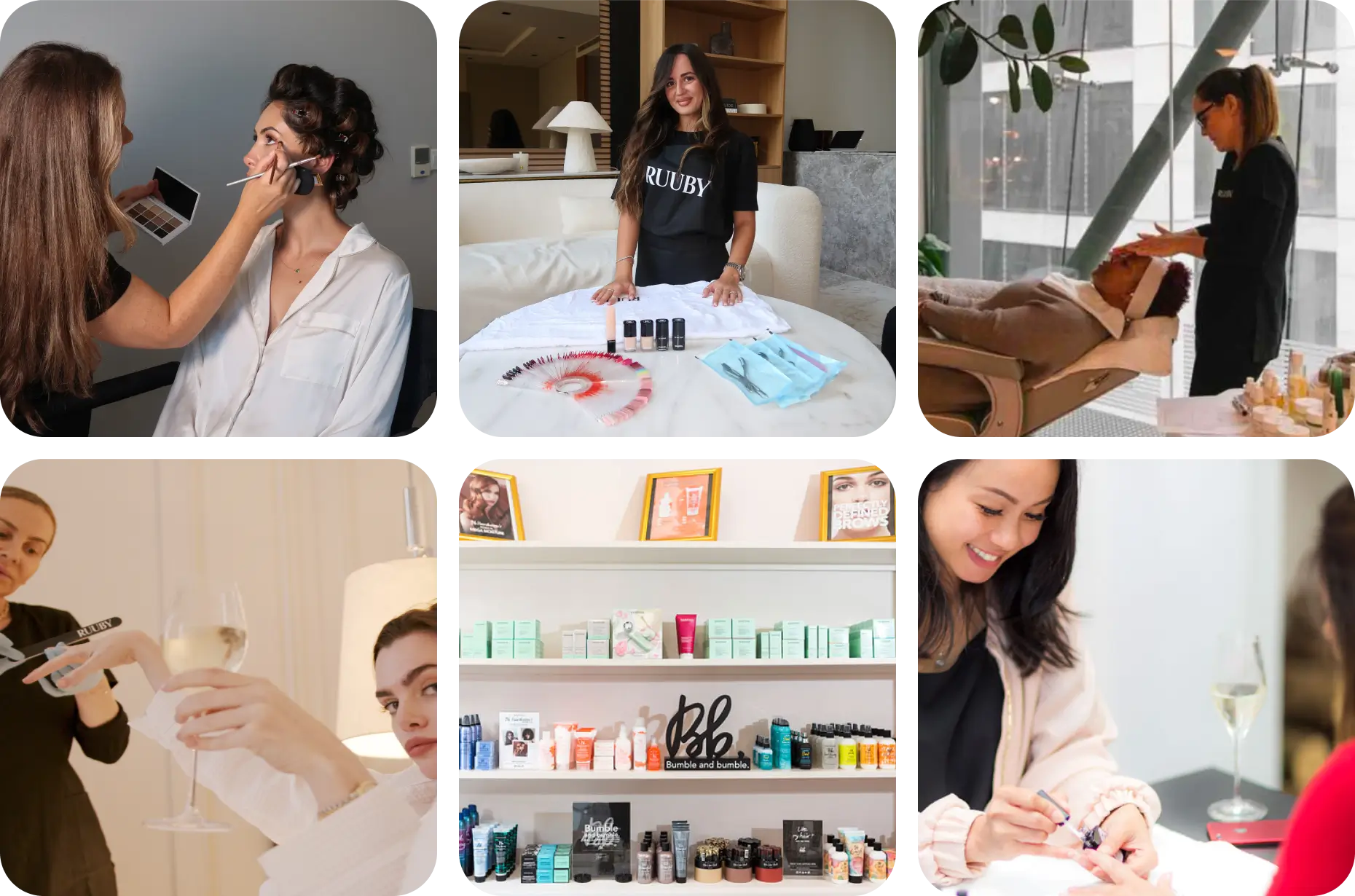
With the mist rolling off the Thames and ever-persistent drizzles in London, making it to a salon just before a wedding party may not be the best of ideas. That’s where Ruuby, the UK's premier at-home beauty service, lets you skip the London fog and helps you get beauty, self-care, and massages at home, while watching your regular telly.
A customer opens the app, picks a treatment: a manicure, a blow dry, a massage, a spray tan — and a freelance therapist arrives at their door, often within hours. The business runs on a single, fragile thing: timing. Catching a customer in the moment they actually need a treatment.
For a long time, Ruuby tried to do that through email. It didn't work. So they went looking for a platform that kept pace with their customers' lives — and found it on Wati.
The Wati Transformation at a Glance

First-time bookers vanished
after one appointment;
feedback forms went unanswered
Outbound capped at ~50 messages on a personal WhatsApp number before Meta blocked it
No way to tag, filter, or analyze conversations on standard WhatsApp Business
Super-users had to open the app and hunt for their favorite therapist's availability

First post-booking message asks "how did it go?" — and customers actually reply
Compliant, scaled outbound campaigns running daily
Tagging surfaces ops decisions: spotting four missed spray tan requests led to 230 bookings the next week
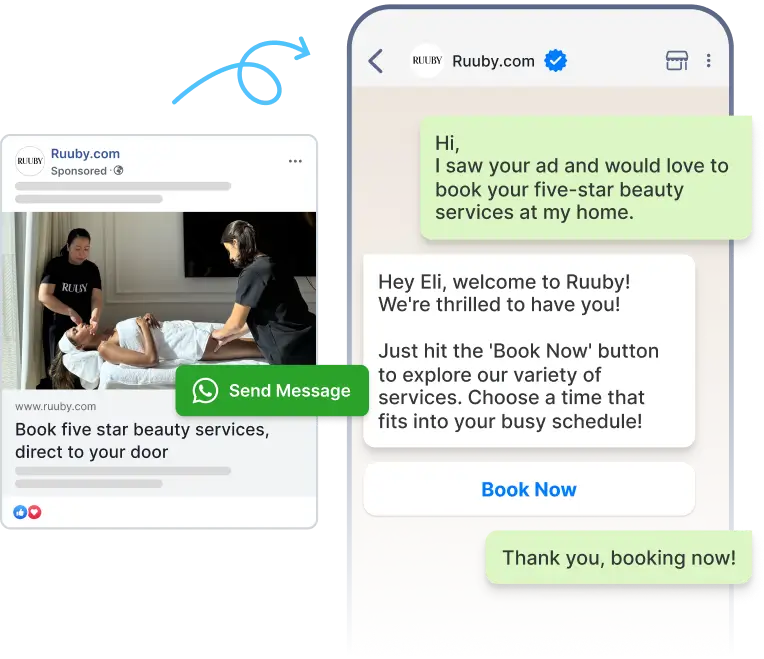
The concierge team books for them over WhatsApp in under three minutes
We spent time with Claudia Gwinnutt, Chief Marketing Officer at Ruuby, to discuss their rise with Wati.
Claudia had spent months rebuilding Ruuby's email lifecycle program from the ground up. New subject lines. New cadences. New segmentation. The open rates didn't move.
At some point, she had to admit something uncomfortable: it wasn't the copy. It was the channel. Email was a long-form medium in a business that lived and died on short, fast moments. So Claudia went looking for something that matched how her customers actually behaved — and tested WhatsApp.
"We tested marketing-style messaging with images and promos. What worked best was actually using WhatsApp the way people use WhatsApp — like texting a friend. They're quite boring messages. It feels at odds with anything else you'd write as a marketer. But it has been transformative for our business."
— Claudia Gwinnutt | CMO, Ruuby
The Challenge
Ruuby's customers don't shop for beauty the way people shop for things. They don't browse. They don't compare. They have a flash of need: I have an event tonight, I'm flying out tomorrow, I've had the day from hell, book me a massage, and they want it solved in the next ten minutes.
Claudia had a hypothesis: WhatsApp might work. So they tested it on Ruuby's existing personal WhatsApp number — and the conversion rates were striking. But after all, just the Business App is not suitable for the scale Ruuby operates at.
That's what brought them to Wati.
Email couldn't meet that moment. By the time a thoughtful, well-designed newsletter landed in someone's inbox, the moment had passed.


The Solution
Ruuby rebuilt its entire lifecycle program around WhatsApp. But the surprise was how. Claudia and her team threw out the rules they'd written for email. No carousels. No promos. No carefully crafted brand voice. Just simple, conversational messages, written like a friend checking in.
"They're quite boring messages," Claudia says. "And they work."
They segmented customers into three core cohorts
First-time bookers
Super-users with 10+ booking
And built a WhatsApp engagement strategy for each one. New registrants receive four or five messages in their first 30 days, then taper to about one a month. First-time bookers get a casual feedback prompt that customers actually reply to. Super-users get personalized check-ins from the concierge team, who use Wati's Team Inbox to handle bookings on their behalf.
To scale without losing the personal feel, Ruuby's team built a custom AI agent that reads cohort data from their database and automatically triggers Wati campaigns. Claudia opens her laptop in the morning, and the day's messages have already gone out. They also backdated the entire journey, moving every existing customer into the right cohort — turning the rollout into a reactivation campaign that brought back people who had registered over a year ago and never booked.
Underneath it all, the Wati features do the quiet work: Broadcast Campaigns for cohort-based outbound, Team Inbox for the concierge team's daily conversations, conversation tagging for capturing why bookings didn't convert, and campaign analytics for delivery, read, and reply patterns.
The Results
“We've seen our highest bookings in the last few weeks: the result of a consistent lifecycle on WhatsApp with Wati. We see bookings done under 3 mins, something that's just not possible with email,”
— Claudia Gwinnutt | CMO, Ruuby


What's Next
Ruuby is relaunching its website and plans to use WhatsApp to bridge new website visitors into the app over time. They're also leaning into deeper AI personalization: messages that adapt to the specific therapist a customer has used before, the time of day they typically book, and where they are in the lifecycle.
The bigger ambition is simpler than that, though. Claudia talks about WhatsApp as a way to remove friction — and friction, in a business built on convenience, is what matters most.

— Claudia Gwinnutt | CMO, Ruuby