

-

-
-
Solutions
-
Soluções
-
Soluciones
-
解决方案
-
解決方案
-
الحلول
-
Product
-
Produto
-
Producto
-
产品
-
產品
-
المنتج
-

-
-


 Wati for Marketing
 Wati for Support
 Wati for Sales
 eLearning
 E-commerce
 Marketing Agencies
 Healthcare
 No Code Chatbots
 WhatsApp Business API
 Instagram Automation
 Click to WhatsApp ads
 Campaigns
 Team Inbox
 WhatsApp Business Calling
 Wati AI
 Overview
 Library
 Agente de suporte de IA

Shopify SEO Guide 2026: How to Grow Your Store with Organic Traffic
Written by:
 Shreya
|
Last updated on:
March 11, 2026
|
Fact Checked by :
Shreya
|
Last updated on:
March 11, 2026
|
Fact Checked by :
 Namitha Sudhakar
|
According to: Editorial Policies
Namitha Sudhakar
|
According to: Editorial Policies

Too Long? Read This First
- Shopify SEO helps drive organic traffic and improve store visibility without relying heavily on paid ads.
- Keyword research and competitor analysis help identify high-intent search terms your customers are using.
- Optimizing product pages, meta tags, and content improves rankings and click-through rates.
- Technical SEO factors like site speed, mobile optimization, and clean site structure enhance user experience and search performance.
- SEO apps, backlinks, and consistent content updates help strengthen your store’s authority and reach.
- Tracking KPIs like organic sessions, bounce rate, and conversion rate ensures your SEO strategy drives real revenue growth.
As an ambitious entrepreneur, you recognize the importance of delivering a seamless website experience for customers.
The first step to a successful digital marketing strategy is building a WhatsApp + Shopify SEO strategy that increases visibility, attracts good traffic, and maintains your brand reputation.
This is exactly why this Shopify SEO guide is crafted for you: to help boost website SEO and ensure your online store soars in search engine rankings.
With the right strategies and some know-how, you can attract the right customers, improve page rankings, and get better sales deals in no time.
Let’s explore how Shopify SEO can enhance your e-commerce store’s visibility and traffic together!
What is Shopify SEO?
Shopify SEO is the tailored approach towards optimizing your Shopify store for search engines.
According to the Shopify Help Center, this involves several techniques to enhance your store’s visibility in search engine results.
Integrating Shopify SEO helps you drive more organic traffic and gain better brand visibility rather than relying on paid advertising. As a store owner, mastering this aspect can set the stage for business success.
As a store owner, mastering this aspect can set the stage for your business’s success in the digital space.
Also Read: Customer Retention Strategies for Shopify Business Owners
How Does SEO Impact Shopify Sales And Marketing?
According to AIOSEO, 46% of monthly Google searches have local intent, and 86% of people look up a business location in Google Maps.
It is pivotal for you, as a brand owner, to optimize Shopify SEO to attract more customer traffic and drive substantial leads.
In the competitive Shopify e-commerce landscape, effective SEO strategies can be the key to standing out rather than remaining unnoticed.
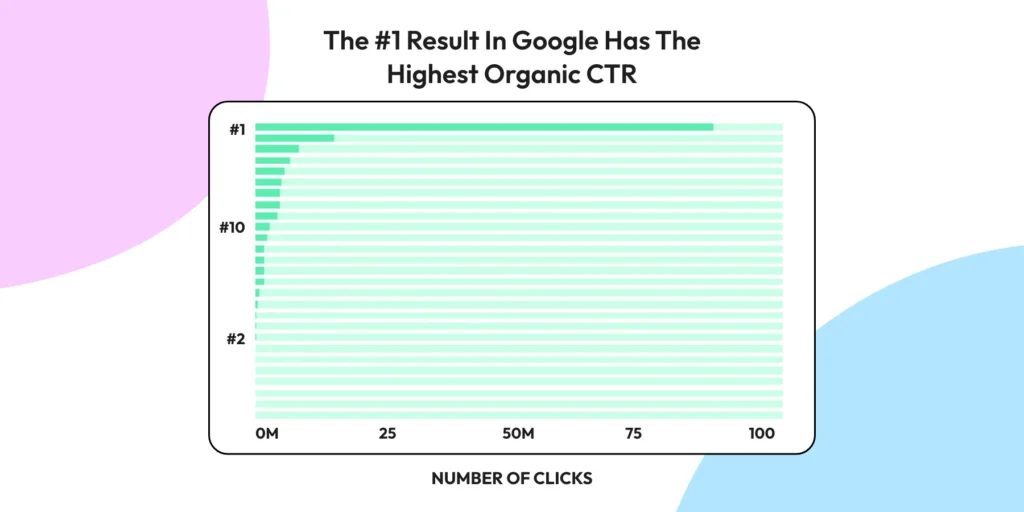
In 2026, the top marketing channels driving ROI for B2B brands were the website, blog, SEO, and paid social media. As for B2C, it was email marketing, paid social media content, and content marketing, according to HubSpot’s 2025 State of Marketing report.
Maintaining ease of user interface, responsive website navigation, and drafting clear-cut product content on Shopify are all SEO attributes that can help get visibility.
| Aspect of Shopify SEO | Benefits | Strategic Actions |
| Keyword Optimization | Attract targeted traffic | Research and integrate high-intent keywords |
| On-Page Elements | Improve click-through rate | Optimize title tags, meta descriptions |
| Technical SEO | Enhance user experience | Improve page speed, mobile responsiveness |
| Content Marketing | Establish brand authority | Create value-driven blog posts, guides |
| Link Building | Increase domain credibility | Engage in outreach and secure quality backlinks |
Shopify SEO Implementation Framework: Crafting Foolproof Website Strategy
Starting SEO optimization for your Shopify marketing can be a transformative move for your business. A strong SEO strategy can boost your website’s visibility, increasing traffic and conversions.
Let’s explore two critical aspects of Shopify SEO: keyword research and competitive analysis.
1. Keyword Research for Shopify
Understanding customer search behaviour is essential when selecting keywords for your Shopify store.
Leveraging tools like Ahrefs or Ubersuggest can help you discover the phrases and questions your target market is typing into search engines.
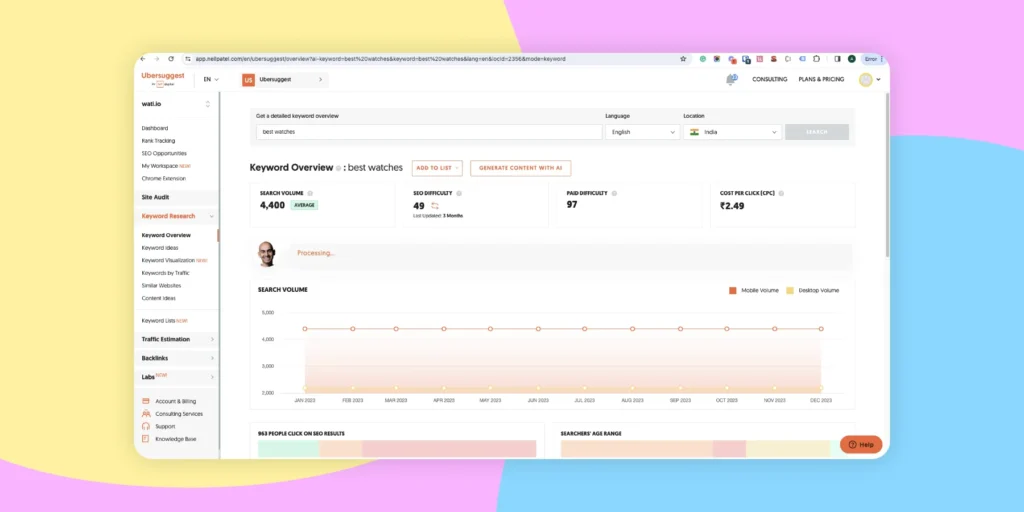
Effective keyword research enables you to optimise product descriptions, blog content, and meta tags, ensuring your offerings align with user intent and search relevance.
Here are some Shopify SEO tips for effective keyword implementation:
- Focus on long-tail keywords that specific customer segments are likely to use.
- Include primary keywords in your product titles and descriptions.
- Use keywords naturally to maintain readability and avoid keyword stuffing.
- Remember to optimize your images by adding keywords to the alt text.
Remember, relevance is key. Choosing keywords that match your product’s value proposition can improve your chances of ranking higher in search results and driving targeted traffic to your store.
Also Read: 13 Proven Ways To Increase Your Shopify Conversion Rate
2. Competitive Analysis in the Shopify Ecosystem
To further refine your Shopify SEO, it is crucial to conduct a competitive analysis.
Understanding what your competitors are doing can provide valuable insights into what SEO strategies are working in your niche.
Tools like Semrush facilitate a deep dive into competitors’ keyword usage, backlink profiles, and content marketing efforts.
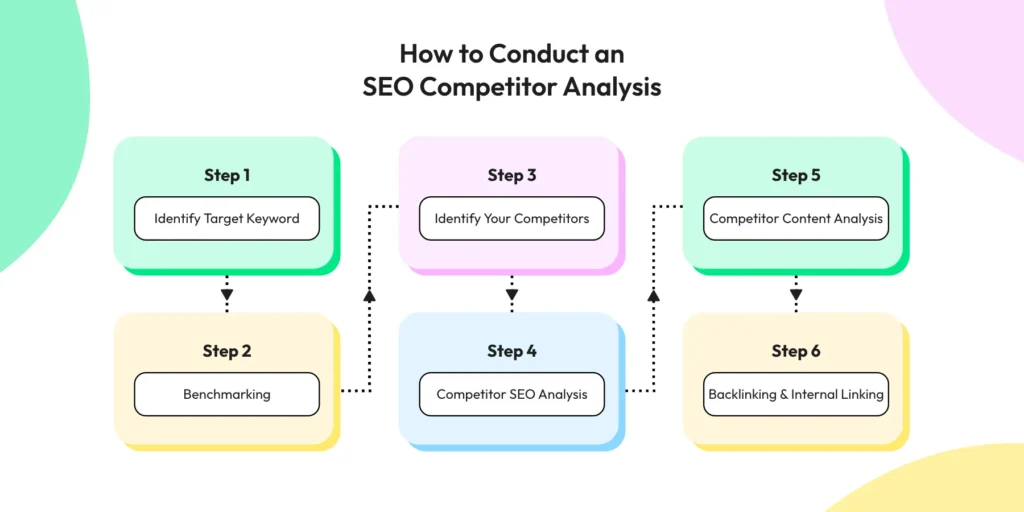
This analysis can reveal their strategy gaps, presenting opportunities for your store to stand out.
| Competitor SEO Element | Insights Gained | How it Benefits Your Shopify Store |
| Keywords | Popular keywords your competitors rank for | Identify target keywords to improve your own rankings |
| Backlinks | Where competitors are acquiring backlinks | Identify target keywords to improve your rankings |
| Content Strategy | Types of content that drive traffic for competitors | Inform your content creation and marketing approach |
| Site Structure | How competitors organize their site navigation | Optimize your website’s navigation for a better user experience |
By combining diligent keyword research with a thorough competitive analysis, you’ll be equipped to craft a Shopify SEO strategy that not only stands up to the competition but also captivates and converts your target audience.
3. On-Page SEO Tactics for Shopify Sites
Understanding and implementing on-page SEO tactics can place your e-commerce platform ahead of the competition when aiming to maximise your Shopify store’s potential.
Let’s explore the actionable steps you can take to amplify your Shopify website SEO and adhere to Shopify SEO best practices.
4. Optimizing Product Pages for Better Visibility
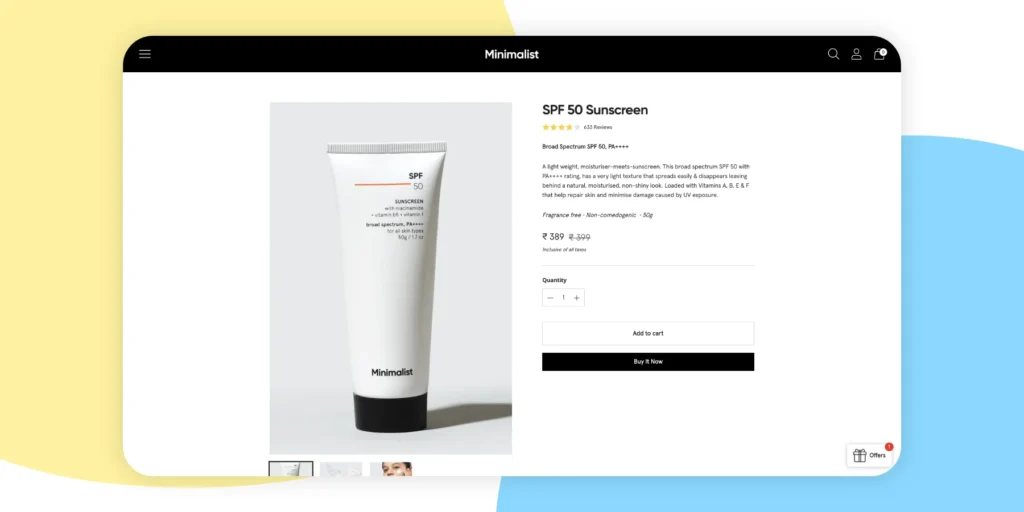
Product pages are the pillars of your Shopify store. For a start, ensure that your title tags are descriptive and keyword-rich, capturing the essence of the product while catering to search engines.
Similarly, meta descriptions should concisely describe the product and persuade searchers to click through. High-quality images entice potential buyers and contribute to SEO when tagged with relevant alt text.
5. Incorporating SEO-Friendly Content
Content on your Shopify site should always target what your audience is searching for. By adding long-tail keywords to your product descriptions and educational blog posts, you address specific customer queries.
Regular updates with fresh, unique content will maintain site relevancy and encourage recurring visits.

6. Using Tags and Collections Effectively
Tags and collections on Shopify don’t just simplify the shopping experience—they are instrumental in structuring your website for enhanced SEO performance.
Organizing products into clear categories improves site navigation for users and search engine crawlers. To illustrate, here’s how you might categorize a range of eco-friendly products:
| Collection | Tags | Example Products |
| Eco-Friendly Kitchen | Biodegradable, Reusable, Sustainable | Bamboo Cutlery, Reusable Food Wraps |
| Green Cleaning Supplies | Non-toxic, Organic, Eco-safe | All-Purpose Cleaners, Microfiber Cloths |
| Eco-Friendly Office | Recycled, Plant-based, Energy-efficient | Recycled Paper, Solar Chargers |
By taking these steps, you take control of on-page SEO and set your Shopify venture on a path to success.

How to Optimize Technical SEO for Your Shopify Business?
Optimizing your Shopify store involves more than just making superficial adjustments.
To align with Shopify SEO best practices, it’s crucial to dive into the technical details that search engines value.
A solid technical SEO setup boosts your store’s ranking and greatly enhances the user experience. Let’s explore the technical changes you can implement to enhance your Shopify store’s SEO.
1. Enhancing Site Speed and Performance
Faster load times are crucial for keeping visitors happy and for SEO ranking. Tools like Google PageSpeed Insights can provide actionable insights into your Shopify store’s performance.
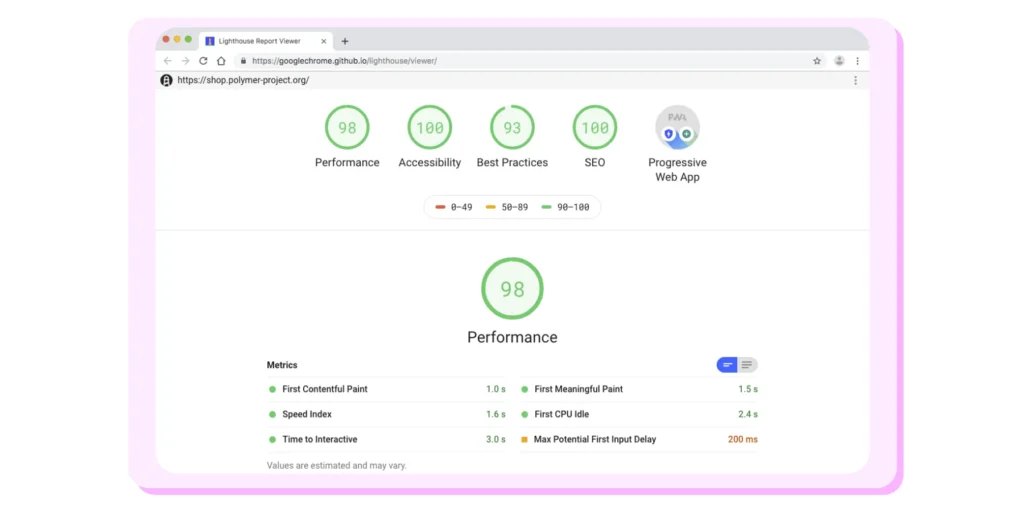
With this feedback, you can make the necessary tweaks to optimize your store’s loading speed, directly impacting your site’s visibility and user engagement.
2. Mobile Optimization for Shopify Stores
In 2026, ensuring your Shopify store is optimized for mobile devices is non-negotiable. A mobile-friendly site translates to a better shopping experience, leading to increased engagement and, potentially, more sales.
Google Developers suggest that mobile optimization is not just about visuals; responsive design and functionality are critical elements contributing to mobile SEO.
3. Managing Redirects and Broken Links
A well-maintained site structure is key to preserving your store’s credibility with search engines. Yoast SEO highlights the importance of fixing broken links and implementing the right redirects.
This improves the site’s user experience and signals to search engines that your store is reliable, secure, and well-organized, an essential aspect of Shopify SEO.
| SEO Element | Importance | Tools for Optimization |
| Site Speed | Critical for SEO ranking and user experience | Google PageSpeed Insights, GTmetrix |
| Mobile-Friendliness | Essential for engaging mobile users and SEO | Google Mobile-Friendly Test, Responsive Design Checker |
| Redirects and Link Management | Improves site trust and structure for search engines | Yoast SEO, Broken Link Checker |
Shopify SEO: Boosting Third-Party SEO Apps To Accelerate Disruption
Bringing third-party SEO plugins into your Shopify stack can elevate team productivity, conversion rates, analytics tracking, and overall performance.
These indispensable resources serve to automate your SEO efforts, making the process more efficient while ensuring you’re equipped to tackle the latest SEO challenges.
Let’s explore some of these transformative tools to see how they can streamline your optimization efforts.
| SEO Tool | Main Features | Benefits for Your Shopify Store |
| Plug in SEO | On-page SEO analysis, keyword suggestions, and issue detection | Improves page optimization, identifies SEO issues for quick resolution |
| SEO Manager | Real-time keyword tracking, Google result simulator, SEO issue scanning | Tracks SEO success and simulates Google search results for testing |
| Smart SEO | Automated meta tag management, image alt text optimization | Saves time with automation and enhances image searchability |
| SEO Booster | SEO diagnosis, automated issue fixing, and daily monitoring | Keeps SEO health in check and mitigates issues promptly |
Also read: The Ultimate WhatsApp API integration checklist to boost Shopify Usability
Incorporating Shopify SEO plugins into your strategy bolsters your site’s visibility and offers a sustained competitive edge.
What are the Effective Link Building Strategies for Shopify Store Owners?
Below are the steps to boost high-quality backlinks to improve your Shopify storefront’s site score, get better Google authority,y and drive reliability.
- Strategic Partnerships: Build relationships with industry influencers and bloggers to secure high-authority backlinks through guest content or featured collaborations.
- Social Media Integration: Create shareable content across social platforms to drive organic traffic and enhance brand visibility, signaling credibility to search engines.
- Regular Content Refreshes: Update your site’s content frequently to maintain relevance, improve engagement, and provide search engines with new data to index.
- UX Optimization: Prioritize site speed and intuitive navigation; a superior user experience directly correlates with higher search rankings and customer satisfaction.
- Data-Driven Assessment: Continually measure performance using SEO metrics to identify successful tactics and adjust your strategy for long-term growth.
Key Strategies to Drive Shopify SEO with ROI-Based Analytics
Whatever SEO strategy you decide on, evaluating performance is a must.
By using ROI-based metrics, you can calculate the returns from marketing spend and team collaboration.
Here are the key strategies for using data to drive your SEO efforts.
- Behavioral Data Alignment: Use Shopify’s native analytics to map SEO tactics to actual user behavior, ensuring your content strategy aligns with how your customers browse and buy.
- Precision Traffic Attribution: Track keyword rankings alongside traffic sources to identify which organic channels (Search, Social, or AI-Discovery) are delivering the highest-intent visitors.
- Conversion-Centric Optimization: Monitor the Conversion Rate of specific landing pages to determine if your SEO is attracting “window shoppers” or ready-to-buy customers.
- Engagement Quality Checks: Analyze Bounce Rate and Average Session Duration to evaluate content relevance; high engagement signals to search engines that your site is a high-quality authority.
- Financial Impact Mapping: Connect Organic Sessions directly to revenue to calculate your true ROI, allowing you to reallocate budget toward high-performing product categories.
- Continuous Strategy Refinement: Treat analytics as a feedback loop—use weekly KPI “pulse checks” to identify drop-off points in your sales funnel and fix technical friction before it impacts your bottom line.
Shopify SEO: Key SEO Performance Indicators (2026)
Below is an at-a-glance view of major SEO strategies to implement for your Shopify website marketing.
| KPI | Description | Why It Matters |
| Conversion Rate | % of visitors who make a purchase. | Measures the sales effectiveness of your SEO traffic. |
| Bounce Rate | % of visitors who leave after one page. | Reflects content relevance and user engagement. |
| Organic Sessions | Number of visits from organic search. | Shows the total reach and impact of your SEO growth. |
Your Shopify SEO Growth Journey Begins Here!
By improvising on Shopify SEO changes, you can make your website a simple, convenient, and hassle-free destination for consumers.
As consumers nowadays are already tech-savvy, you need to work smart with data rather than making large copies or creatives. Narrating a story through data would boost Shopify’s SEO lifecycle and aid in more conversions.
By using WhatsApp Business API platforms like Wati, you can leverage ROI-based granular insights to understand your consumers and adjust accordingly.
Schedule a free demo of Wati to know more.
Frequently Asked Questions
Shopify SEO is the process of optimizing your Shopify store to increase its visibility in SERPs, drive more organic traffic, and ultimately boost sales. This involves tweaking various elements of your site, including keywords, content, site structure, and technical aspects.
You can perform keyword research by using tools like Ahrefs or Google Keyword Planner to find keywords that are relevant to your products and content. Look for terms that your potential customers are likely to use when searching for products similar to yours, and then incorporate those keywords into your site’s content, product descriptions, and tags.
SEO is vital for your Shopify store because it helps reduce customer acquisition costs and increases the long-term brand equity. It’s an efficient way to reach your target audience without relying solely on paid advertising, thereby allowing for more sustainable growth.
For technical SEO, ensure that your site loads quickly, as speed is a ranking factor. Use tools like Google PageSpeed Insights to identify improvements. Ensure your store is mobile-optimized, as many users shop on mobile devices. Regularly check for and fix broken links, and properly set up redirects to avoid losing traffic.