
Too Long? Read This First
- Discovery is spreading across search, social and AI, while the decision is concentrating in a conversation. In Malaysia the barrier to messaging is trust, not habit, so start with ecommerce flows, measure conversation-to-order, and fix the systems behind the chat.
By Ken Yeung, Co-Founder & CEO, Wati
A customer messages your business at 11pm on a Sunday: "Hi, still available?"
Who replies?
At C1MY 2026, I asked the room to raise a hand for one of three answers: me, my team, or nobody until Monday. If your honest answer is the third one, that customer has probably already bought from someone else.
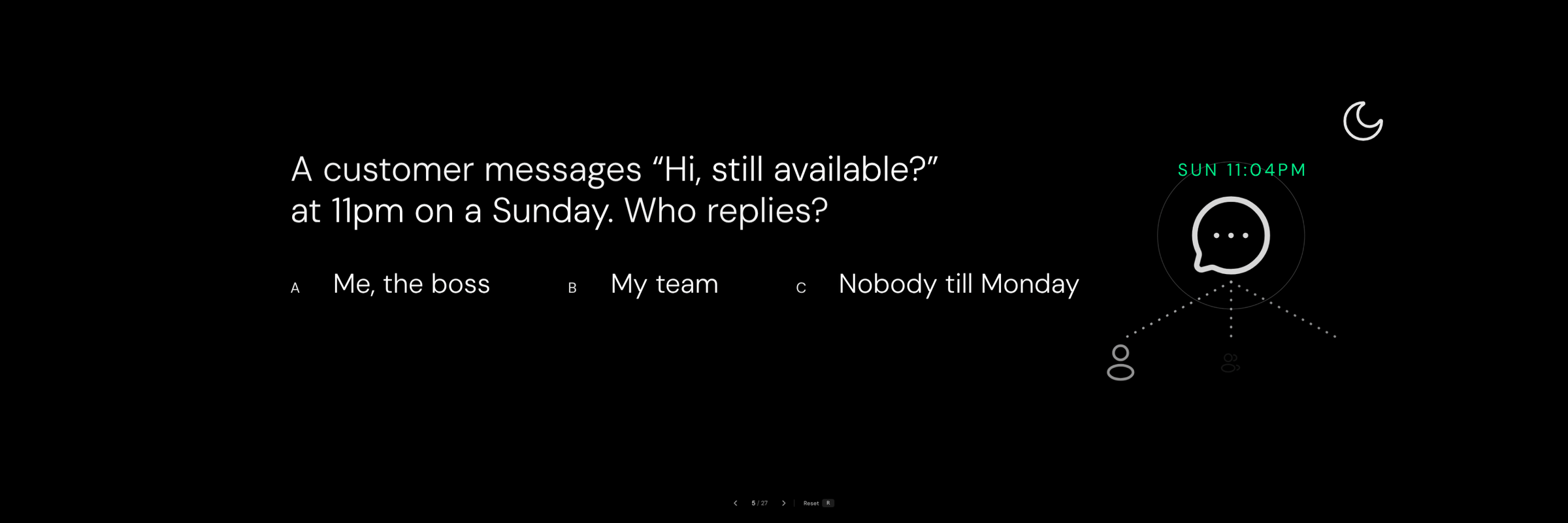
From my keynote: a customer messages at 11pm on a Sunday. Who replies?
That small moment says a lot about where customer engagement is going. Your customer's journey no longer starts on your website. It starts in a search box, a short video or an AI assistant, and when they are ready to decide, they want to ask someone a question. Increasingly, that someone is a chat window.
At C1MY 2026, speakers from Meta, TikTok, Google and Shopify described this shift from four different starting points. Each landed on the same conclusion: discovery is spreading across more places than any brand can control, while the decision is concentrating in a conversation. Here is what I took from the day, and what I think businesses in Malaysia and Singapore should do about it.
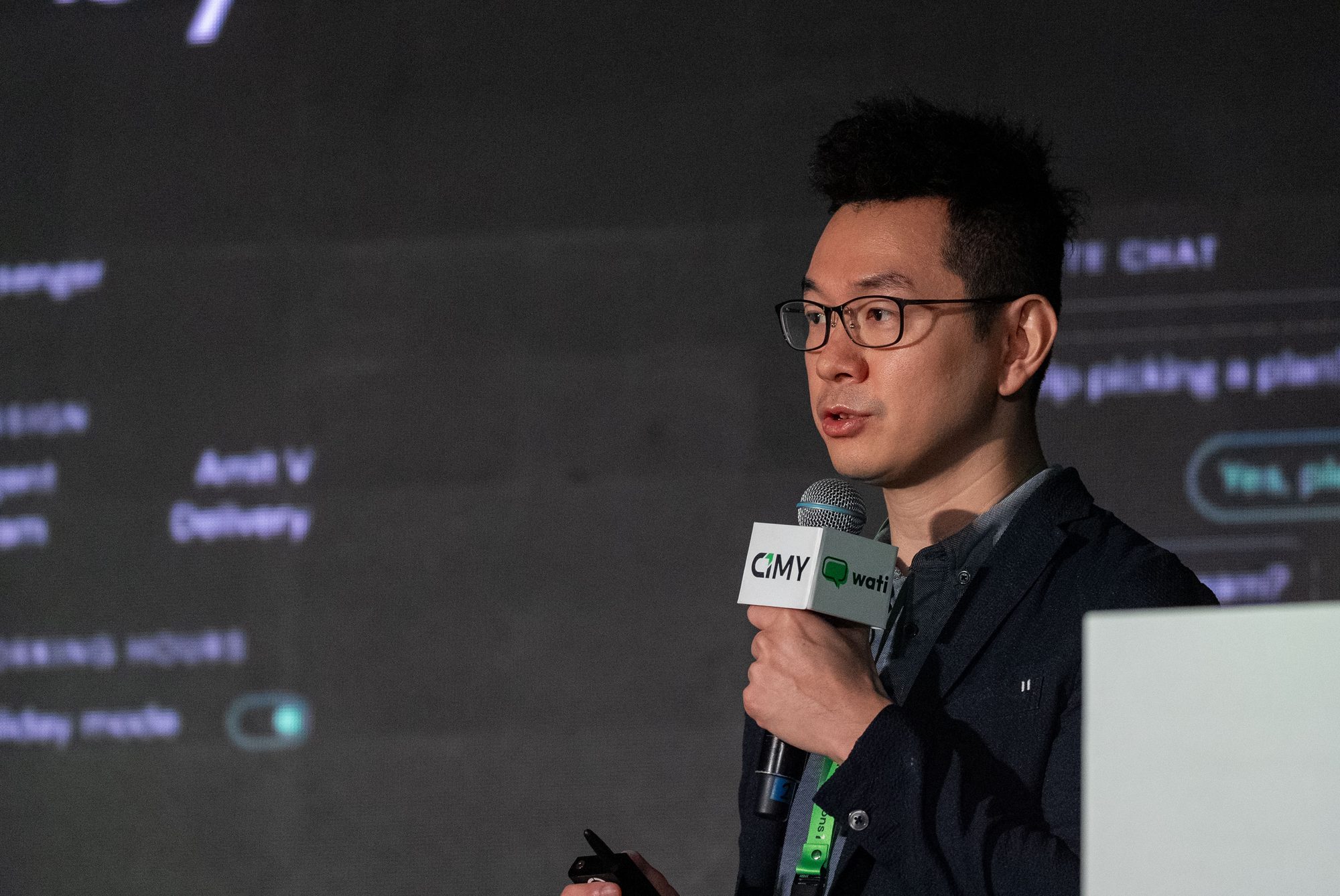
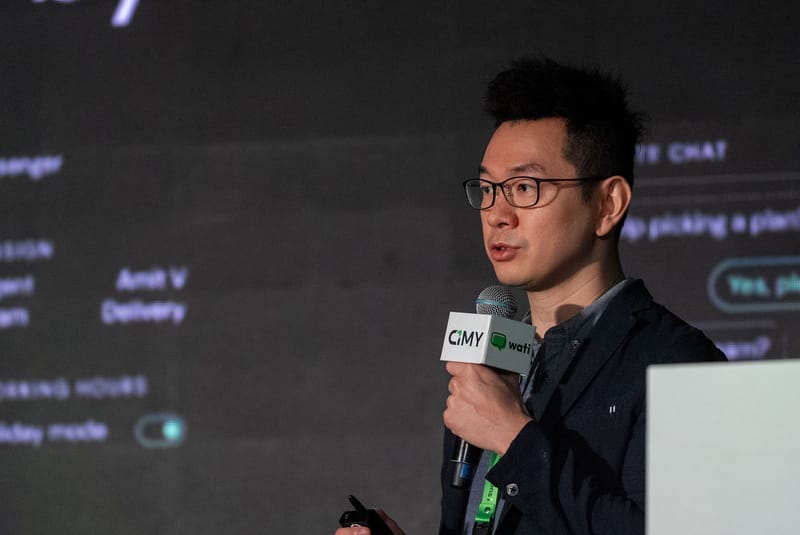
On stage at C1MY 2026.
1. Intent is now created far from your website
For twenty years, the playbook was to win the click and then convert on your own site. The sessions at C1MY showed how little of the journey that covers today.
On search, Ayu Sadha of Google walked through Click to Message, where a customer with peak purchase intent taps a single chat button instead of landing on a page and filling in a form. On social, Gladys Chua of TikTok argued that attention is no longer the finish line, so the brands that win are the ones that can respond at the moment of interest.
And on AI, Soojin Jeong of Shopify described how AI shopping is still early but growing fast, sending shoppers straight to product pages.
The common thread: you no longer control where the journey starts. A customer might meet you in a video, a search result or an AI answer. What you control is what happens in the next ten seconds, and that is where the conversation comes in. If you run click-to-chat ads, tracking CTWA conversions is the first step to knowing which of those first moments actually pay back.
2. The chat is the new landing page
A landing page asks a customer to do work. They read, scroll, find the form, fill it in and then wait. A chat lets them ask the one question standing between them and a decision.
Customers in our region have already made their choice. As Albert Tiong of Meta put it in his session, Malaysian consumers treat messaging as the default way to reach a business.
My own view is that a conversation can filter for intent better than a form, because the customer self-qualifies by asking the question that matters to them.
3. Trust has to come before volume
If customers like messaging this much, why is it not already the default for every transaction? Albert's answer was that the barrier is trust, not habit: the channel is accepted, the trust layer is not. Worry about scams, worry about spam and businesses not responding are what hold people back.
That should change how we measure success in messaging. Sending more messages does not build a channel customers trust. Being verifiable, asking for opt-in clearly, and replying quickly does.
It also explains the servicing gap. In Albert's words, Malaysia leads globally on pre-purchase enquiry and trails on post-purchase servicing. The channel is trusted to start a relationship and not yet to look after one. This is where AI customer service earns its place: instant order updates and 24/7 answers.
AI sits right in the middle of this. Customers want faster, always-on responses, but trust in the information an AI agent gives is still limited. My reading is that AI should be sold on speed, not autonomy. It should answer from your own knowledge base, which is how TikTok described its Lead Agent, and it should hand over to a person when the question gets hard. That is also how we designed Astra, and the guardrails that make this safe are covered in our guide to AI chatbots for WhatsApp with MCP.
That is also why I told the room this is not a better chatbot:
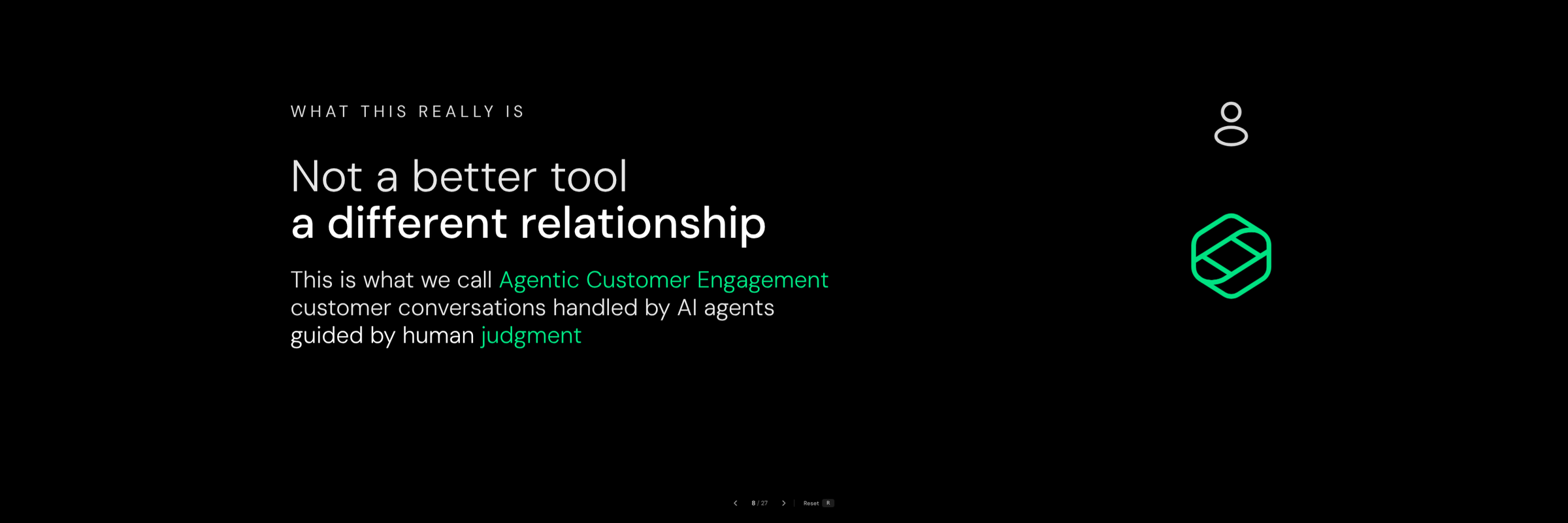
From my keynote: a chatbot answers, an agent does the work, and people step in where a human really matters.
4. If you cannot see the conversation, you cannot optimise it
There is a quiet problem in click-to-chat advertising. The moment a customer moves from an ad into WhatsApp, the ad platform loses sight of them.
Both Google and TikTok addressed this directly. Ayu explained that Google encodes the Google Click ID in the starter message, so a business solution provider can decode it and tie every lead back to the keyword and campaign that produced it. Qualified leads and purchases can then be imported back into Google Ads, which lets Smart Bidding look for buyers instead of anyone who sends a message. Gladys described the TikTok equivalent, the Messaging Events API, which passes back events such as "conversation started" and "order placed". Wati supports this through TikTok Business Messaging, with the tracking add-on switched on, and you can read how TikTok conversion tracking works in practice.
The lesson is that the conversation needs to be a measured stage of the funnel, not a black box between the ad and the sale. A practical way to start is to track conversation-to-order rate: eligible sales conversations that lead to an attributed paid order within a fixed window, with service-only chats kept separate. It is a measure you set up yourself, not a metric any platform hands you automatically.
It also depends on what sits behind the chat. Meekco's session traced symptoms such as wrong stock information and manual customer handling back to disconnected order and inventory systems. A chat can only be as accurate as the systems behind it.
5. Where to start
You do not need a grand strategy to begin. The sessions suggested a sensible order:
- Start where demand already exists. Ecommerce is the natural first place, because customers already ask questions before they buy. Cart recovery and order updates are the two flows the Shopify and Wati integration already supports, and order updates are exactly the servicing gap Meta's session highlighted. Our WhatsApp for Shopify guide walks through both, and the recap of the Shopify session covers the thinking.
- Look at the verticals where the sale is an appointment. Meta flagged healthcare, travel and education as under-served. Our panel on healthcare, education and real estate, with He Medical Clinic and IOI Properties, explored exactly this, and Astra has starter templates for healthcare and education to get you going.
- Plan for the second order. Eber's loyalty integration shows the sign-up reward, points, offers and redemption code all arriving in WhatsApp, which keeps the brand in the app customers open every day.
- Fix the plumbing. Clean product data, connected inventory and order systems, and a single customer record. Without them, faster replies only get customers to the wrong answer sooner.
Final thoughts
I often get asked whether chat will replace the website. I don't think it will. Search, social and AI will keep sending people to brands from more places than any of us can control. What changes is where the decision happens. More and more, it happens in a conversation, and that conversation is the one part of the journey a business fully owns.
We see this at Wati every day. Across the businesses using Astra, our AI agent, more than half of customer conversations from August to October started outside office hours, and one in five started between 9pm and 7am. The 11pm Sunday message is not a hypothetical. It is the norm.
My view for 2027 is that the work behind that conversation is changing hands. For years, more conversations meant hiring more people. Now agents can take the volume. They find what needs attention and prepare the reply or the action, and nothing happens until you approve it. Your people keep the moments where a human really matters: the angry customer, the big deal, the VIP of ten years. The question stops being which software to buy and becomes how you work with agents.
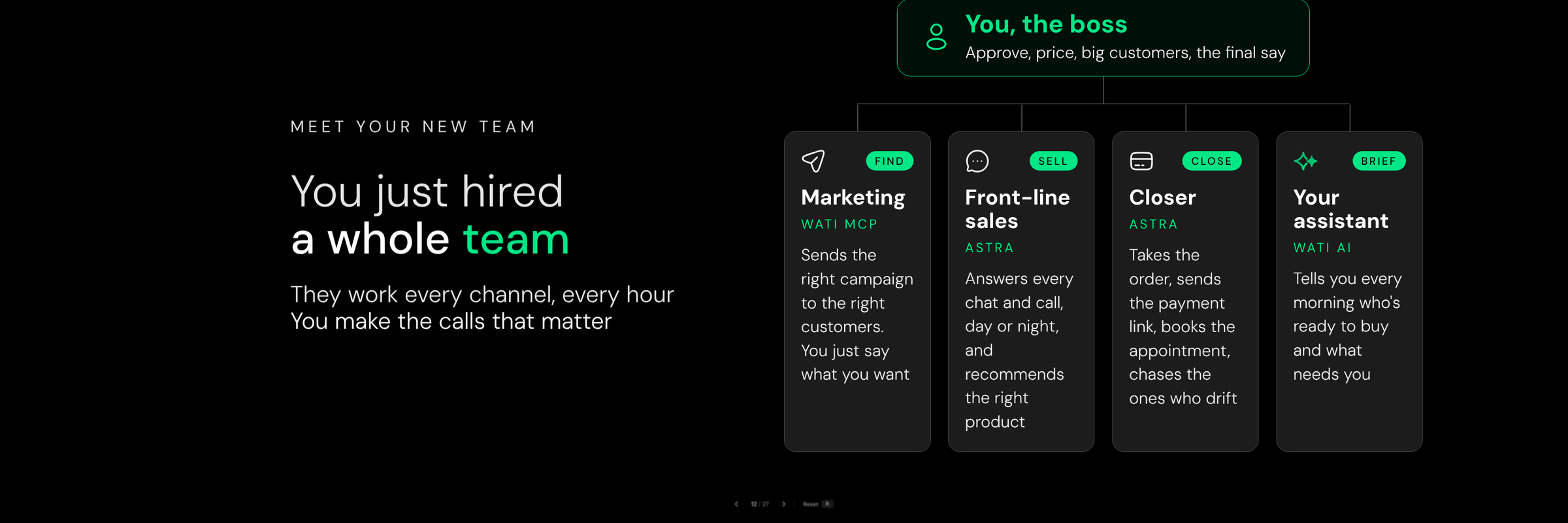
From my keynote: marketing, front-line sales, a closer and an assistant, with you as the boss.
So remember the 11pm Sunday message? In my keynote, the customer messaged, Astra answered, and by Monday morning the order was placed. I made three decisions, and the team did everything else.
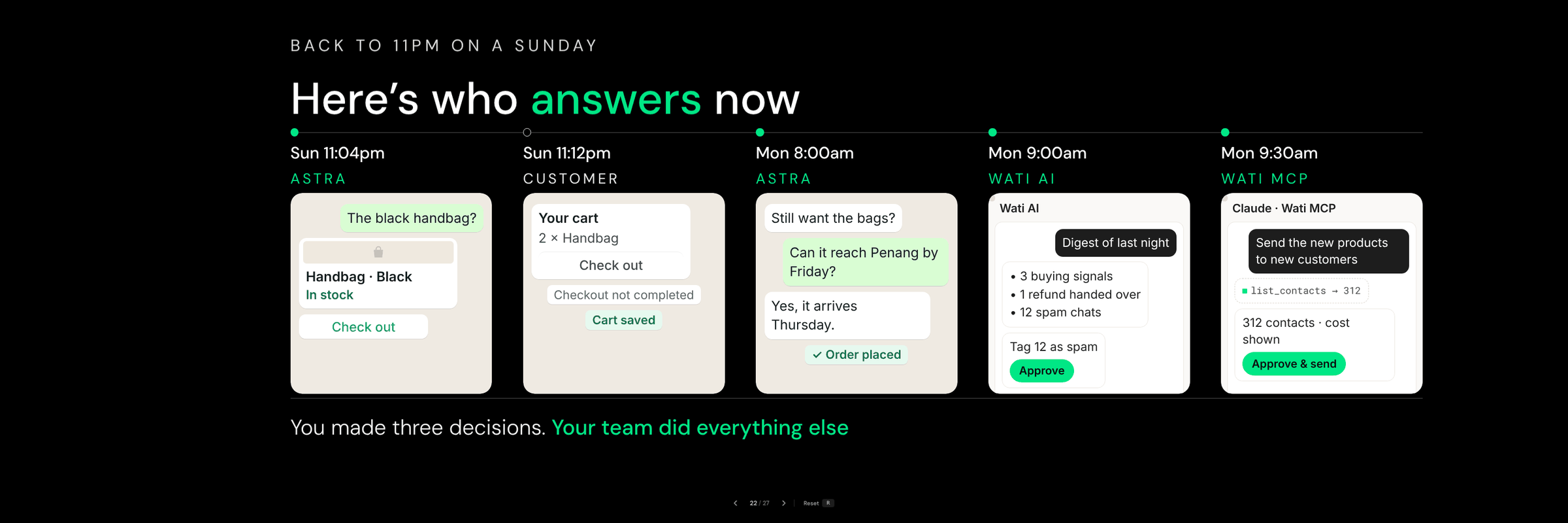
From my keynote: back to 11pm on a Sunday.
My advice is the same one I gave on stage. Pick one job your team does every day, such as late-night enquiries, following up customers who did not pay, or booking appointments. Let an agent take that one job, measure it for a month, then add the next. If you try this, I would like to hear which job you handed over first.
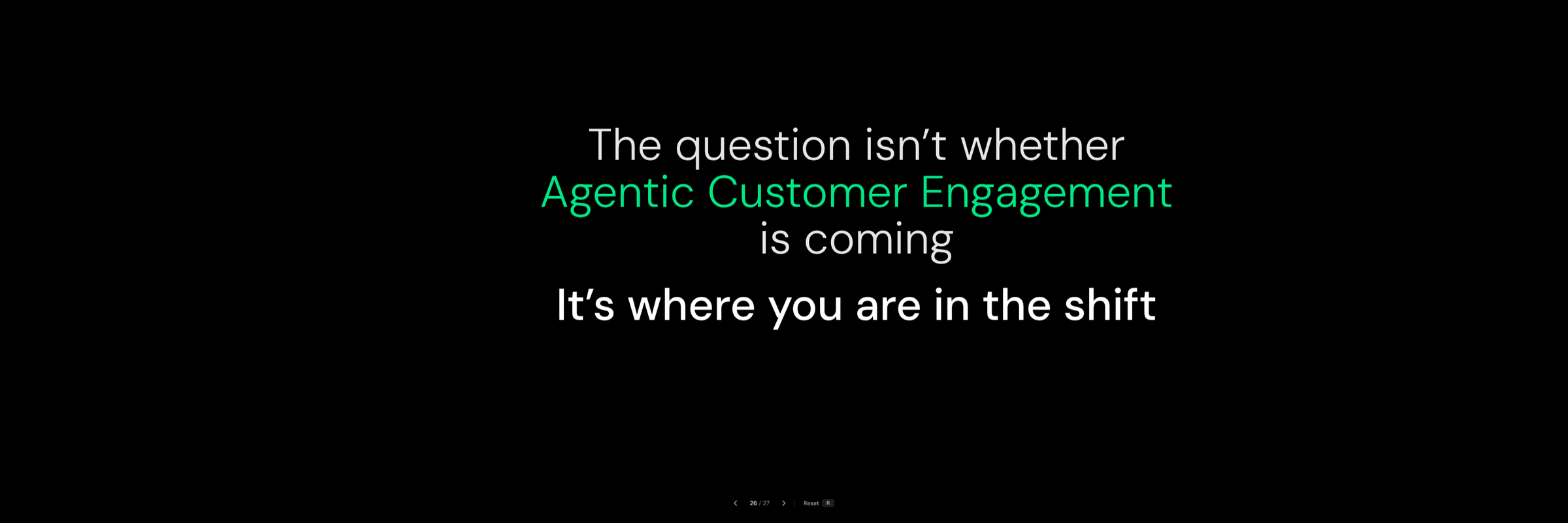
From my keynote: the question is not whether this is coming. It is where you are in the shift.
If you want the full session-by-session detail, read our C1MY 2026 recap. And if you are working out where a conversation-first approach would fit in your business, book a demo with our team.
Related posts
- C1MY 2026 Recap: What You Missed (and Why It Matters)
Highlights from C1MY 2026 in Malaysia: what Meta, TikTok, Google, Shopify, Meekco, Eber and Wati shared on conversation-first customer engagement, and what we launched on the day.